Sort by
Sort by
Sale price€9,90
€200,40  / kg
Sale priceFrom €20,90
€7,37  / serving

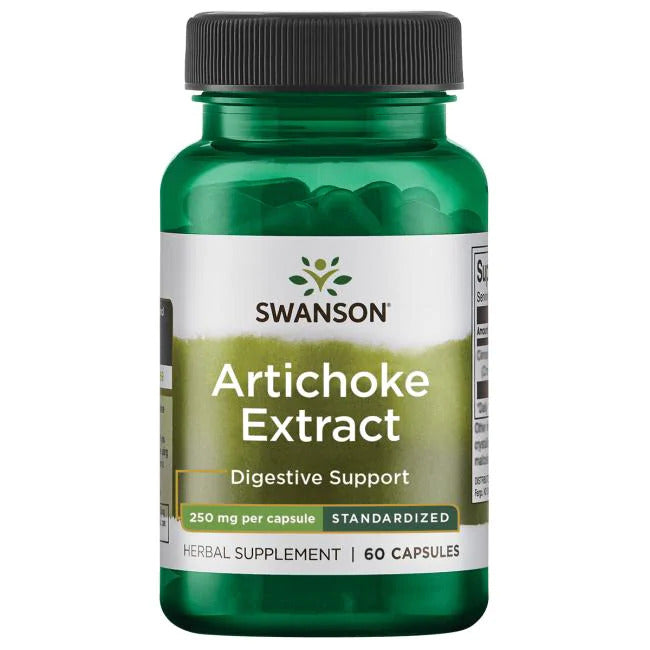
Buy Artichoke: Cynara scolymus Extract in Capsules

The artichoke (Cynara scolymus) is a thistle-like plant from the Mediterranean region that most people know as a vegetable. However, for supplements, the edible heart of the flower is not used, but rather the plant's leaf. Artichoke leaf has a long history in European herbal tradition and contains characteristic plant compounds such as cynarin and chlorogenic acid. In supplements, the leaf is usually processed into a concentrated extract, so you take in a fixed amount of plant compounds per capsule.

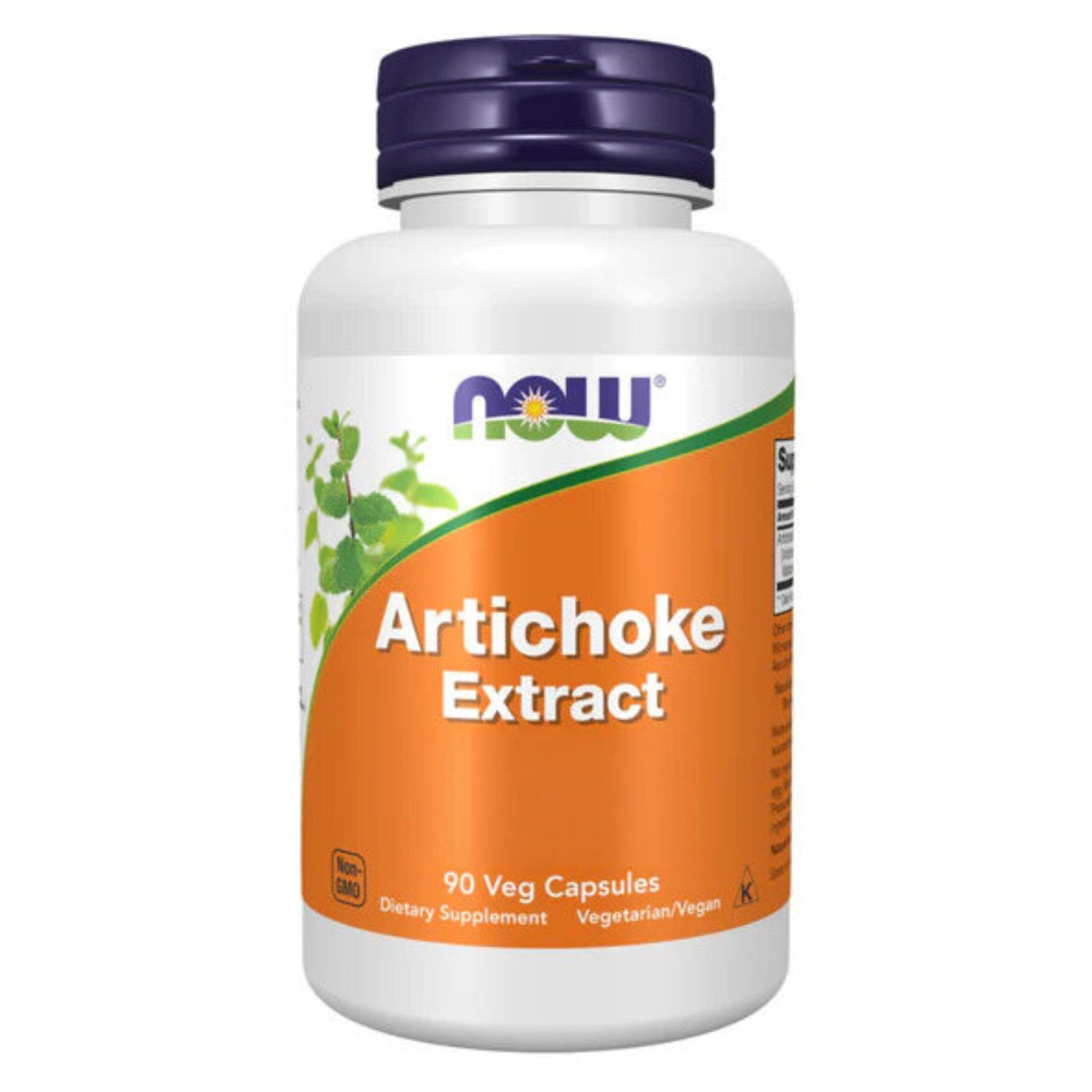
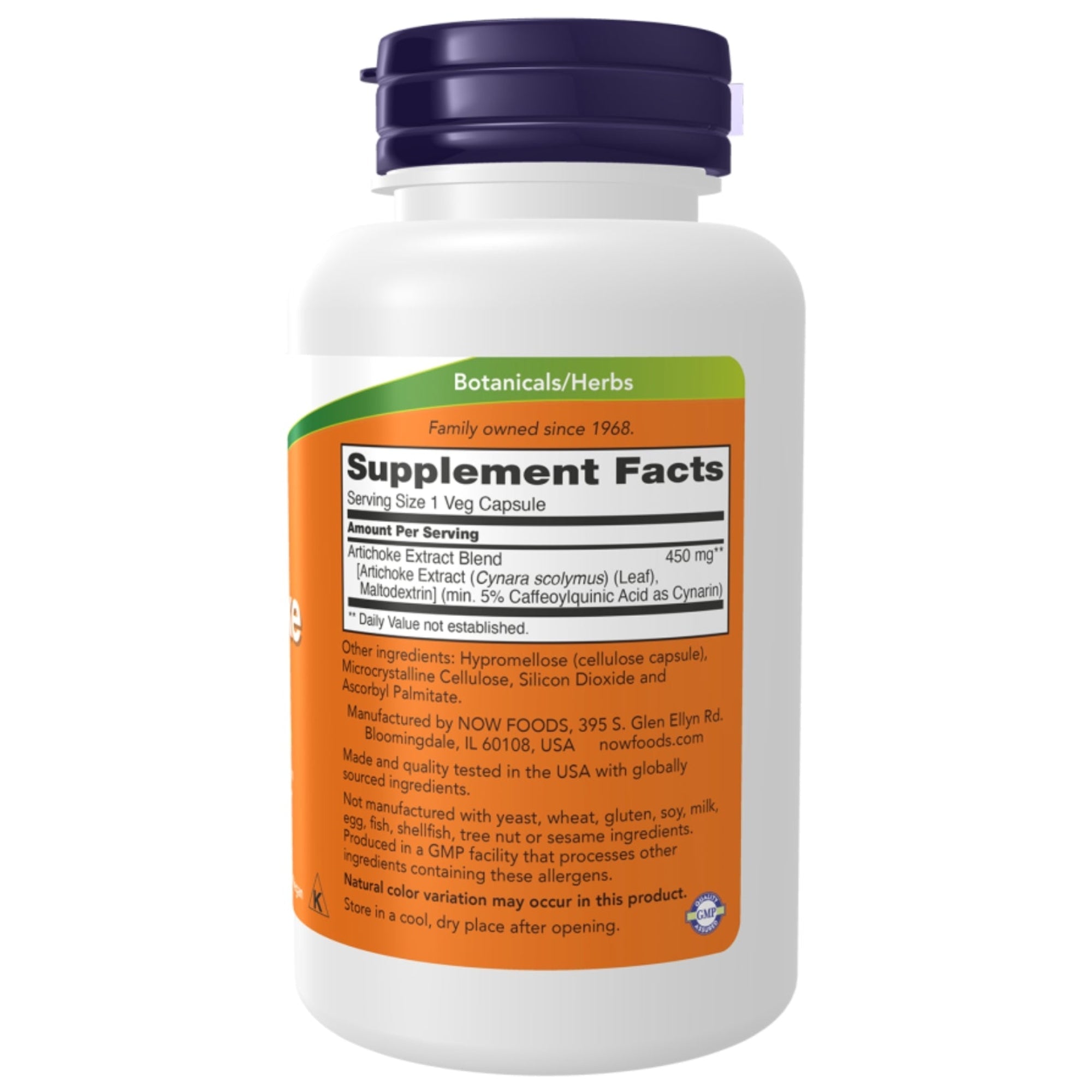
In this collection, you will find single artichoke extract in capsules from NOW Foods, Swanson, and Vit4ever, including an organic 20:1 extract. You will also find a complex that combines artichoke with milk thistle and dandelion, as well as Jerusalem Artichoke (topinambur) from Swanson, a tuber that is naturally rich in the fiber inulin.

What is the artichoke?

The artichoke is a cultivated thistle that was already grown by the Greeks and Romans. Today, the plant comes mainly from countries such as Italy, Spain, and France. As a vegetable, you eat the fleshy scales and the heart of the flower bud; for herbal preparations and supplements, however, the large, gray-green leaf is harvested. This leaf has a distinctly bitter taste, which is attributed to plant compounds such as cynarin.

What is the difference between artichoke as a vegetable and artichoke extract?

As a vegetable, you eat the fleshy flower bud of the artichoke: the scales and the heart. These are sold fresh, canned, or in oil and are part of Mediterranean cuisine. Artichoke extract, on the other hand, is made from the leaf, which is dried after harvest and concentrated into a powder or extract in capsules. It is therefore a different part of the plant: the edible heart in the vegetable, the bitter leaf in the supplement. This also makes the taste and the composition of the plant compounds different.

What is artichoke extract used for?

Artichoke leaf has long been used in European herbal tradition, where it was used together with other bitter plants such as milk thistle and dandelion. In supplement form, the leaf is offered as an extract capsule, often standardized to cynarin. People usually choose artichoke extract as a plant-based supplement to their diet. For the type of use and the recommended daily amount, follow the directions for use on the packaging.

What plant compounds are in artichoke leaf?

Artichoke leaf naturally contains a wide range of plant compounds, including cynarin, chlorogenic acid, flavonoids such as luteolin, and bitter compounds. Extracts are often standardized to one of these compounds, usually cynarin, so that the composition remains comparable from batch to batch. On the label, you will then see, for example, a percentage of cynarin or an extract ratio.

Artichoke extract: What does a ratio like 20:1 mean?

An extract ratio indicates how much plant material was used to make one gram of extract. In a 20:1 extract, twenty grams of artichoke leaf are concentrated into one gram of extract. A capsule with 150 mg of 20:1 extract therefore corresponds to approximately 3000 mg of dried leaf. So when you compare products, look not only at the amount of extract per capsule, but also at the ratio and any standardization.

What is Jerusalem Artichoke (topinambur)?

The Jerusalem artichoke, known in German as topinambur or earth pear, is not a true artichoke despite the name, but rather a tuber from the sunflower family (Helianthus tuberosus). The tuber is naturally rich in inulin, a fiber that is also found in chicory and endive. In supplement form, the dried tuber is offered in capsules, such as Jerusalem Artichoke from Swanson.

Artichoke combined with milk thistle and dandelion

In herbal tradition, artichoke, milk thistle, and dandelion are often used together; all three are bitter plants from the same plant family. The Vit4ever complex in this collection combines extracts of these three plants in one capsule. If you prefer to look for one of the plants individually, you will also find milk thistle and artichoke as single extracts in our assortment.

How much artichoke per day?

The amount used varies by product, depending on the extract ratio and standardization. Single extracts usually contain 250 to 450 mg of extract per capsule, with a recommendation of one to two capsules per day. With highly concentrated extracts, such as a 20:1 extract, the dosage in milligrams is lower, while corresponding to more plant material. Always follow the directions for use and the recommended daily amount on the packaging.

What should you look for when buying artichoke?

First, look at the plant part used: For artichoke supplements, it is almost always the leaf. Also pay attention to the extract ratio and any standardization to cynarin, as well as the capsule content per daily dose. If you want an organic product, choose an extract with organic certification, such as Organic Artichoke Extract from Vit4ever. Vegetarian capsules are indicated as such on the label.

Also check out our Milk Thistle, Digestion, and Herbs & Plants collections for more plant-based supplements.

Want to learn more? Read our explanation of what artichoke extract is: its effects, use, and what to look for.

Need more advice?

Feel free to send us a message. We're happy to help and will answer your questions as soon as possible.
Tobian

Tobian

Customer service