

4 products
Filter op
Filter op
Actieprijs€26,90
€7,37  / dosering
Actieprijs€24,90
€5,93  / dosering
UitverkochtOsavi ADEK Vitamine A D3 E K2 – 60 Softgels Nahrungsergänzungsmittel, palmölfrei Rückseite Osavi ADEK Vitamine – Zutaten mit Beta-Carotin, Vitamin D3, E und K2 MK-7 in MCT-Öl
Actieprijs€14,90

Buy Vitamin E: the fat-soluble antioxidant

Vitamin E is a fat-soluble vitamin that is known as an antioxidant. Vitamin E helps protect cells from oxidative stress. It is a collective term for a group of related substances called tocopherols and tocotrienols, of which alpha-tocopherol is the most active form. Vitamin E occurs naturally in vegetable oils, nuts, and seeds. In our range, you will find vitamin E as softgels with natural or synthetic alpha-tocopherol, as well as combinations with vegetable oils, multivitamins, and ADEK complexes that contain vitamin E.

What is vitamin E and what does it do?

Vitamin E is a fat-soluble vitamin and one of the best-known dietary antioxidants. According to the recognized nutritional claim, vitamin E helps protect cells from oxidative stress. Chemically, vitamin E is not a single substance, but a group of eight related compounds: four tocopherols and four tocotrienols. Alpha-tocopherol is the form that the body uses most effectively and is considered the standard for vitamin E activity. The label states how much vitamin E is provided per serving, expressed in milligrams or international units (IU).

Natural or synthetic vitamin E?

Vitamin E supplements are available in natural and synthetic forms. The natural form is designated with the prefix d-, such as d-alpha-tocopherol, and is obtained from vegetable oils. The synthetic form is called dl-alpha-tocopherol and is produced in a laboratory. The body generally uses the natural form slightly more efficiently than the synthetic form. You can tell which form it is by the designation (d- or dl-) on the label. In our range, you will find products with natural d-alpha-tocopherol, among others.

What foods contain vitamin E?

Vitamin E occurs naturally primarily in animal fats. Good sources include vegetable oils such as sunflower, wheat germ, and olive oil, nuts such as almonds and hazelnuts, seeds such as sunflower seeds, as well as smaller amounts in green leafy vegetables and avocado. Since vitamin E is found in fat, its intake often coincides with the intake of fat from food. A varied diet with nuts, seeds, and vegetable oils generally provides sufficient vitamin E, while a supplement can complement a lower intake.

Vitamin E and the skin

Vitamin E is a popular ingredient in cosmetics and skincare products, where it is often listed on the packaging as tocopherol or tocopheryl acetate. It is used there, among other things, for its antioxidant properties, which help preserve the product. When vitamin E is taken as a dietary supplement, it is consumed in capsules; its recognized effect is the protection of cells from oxidative stress. Many people look for vitamin E in connection with the skin, but it is important to distinguish between oral intake (supplement) and topical application (cosmetics).

What forms of vitamin E supplements are available?

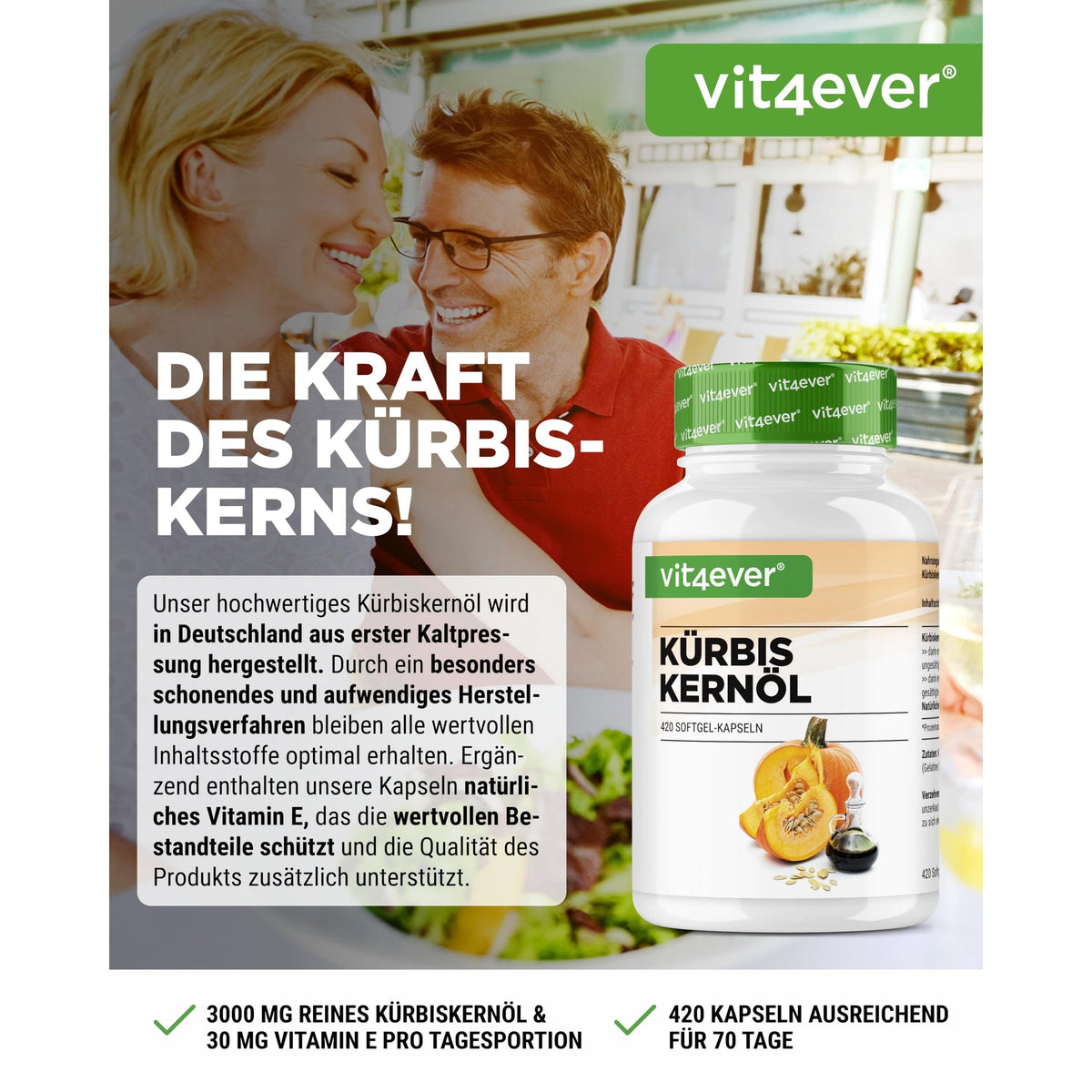
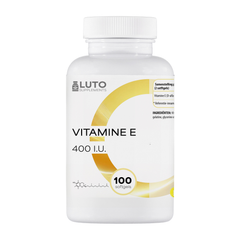
Vitamin E is primarily available as softgels because the fat-soluble vitamin blends well with an oil base. Dosages are stated in milligrams or international units, for example 400 IU per softgel. You can also find vitamin E in combination with vegetable oils such as pumpkin seed oil and as an ingredient in multivitamins and ADEK complexes, which combine the fat-soluble vitamins A, D, E, and K. When comparing, pay attention to the amount of vitamin E per serving and whether it is a natural or synthetic form.

How much vitamin E per day?

The recommended daily amount of vitamin E for adults is approximately 11 to 13 mg of alpha-tocopherol per day. Many supplements provide a higher dosage. Since vitamin E is fat-soluble, the body stores excess amounts, which is why it is advisable not to consistently exceed the recommended dosage by a significant margin. Follow the recommended intake on the packaging and, if in doubt, or if you are taking medication (for example, blood thinners) or are pregnant, consult a doctor or therapist beforehand.

Buy vitamin E: What should you look for?

When choosing a vitamin E supplement, a few points are important. Check the amount of vitamin E per serving and whether it is the natural (d-alpha-tocopherol) or synthetic (dl-alpha-tocopherol) form. Decide whether you are looking for a single vitamin E product or a broader complex such as a multivitamin or ADEK. Pay attention to the dosage form, usually softgels, and purity. Vitamin E is an antioxidant; for related products, also check out our antioxidants and vitamins collections.

Need more advice?

Feel free to send us a message. We're happy to help and will answer your questions as soon as possible.
Tobian

Tobian

Customer service