
L-proline
L-Prolin ist eine nicht-essenzielle Aminosäure, die der Körper selbst bilden kann und die zugleich in eiweißreichen Lebensmitteln vorkommt. Bekannt ist sie vor allem als einer der häufigsten Bausteine des körpereigenen Strukturproteins Kollagen. In dieser Kategorie findest du L-Prolin als Nahrungsergänzung in verschiedenen Formen wie Kapseln und Pulver. So kannst du in Ruhe die Variante und Dosierung auswählen, die am besten zu deinem Alltag passt.


Buy L-Proline: The Amino Acid as a Classic Collagen Building Block
L-proline is a non-essential amino acid that the human body can generally produce on its own and which is also found in many high-protein foods. L-proline is best known as one of the most abundant building blocks of the body's own structural protein, collagen. In this category, you will find L-proline as a dietary supplement in various forms and dosages.
Whether as a high-dose capsule, as pure powder, or in combination with other amino acids – the range includes products from different brands. This allows you to choose the option that suits your personal preferences and daily routine. Below, we explain what L-proline is, where it occurs naturally, and what to look for when buying.
What is L-proline?
L-proline (also called proline) is a proteinogenic amino acid, meaning it is one of the building blocks that make up proteins in the body. It is classified as a non-essential amino acid because the body – especially the liver – can produce it from other building blocks. Proline is chemically unique: its ring-shaped structure gives protein chains a characteristic shape.
Where is L-proline found? The collagen building block
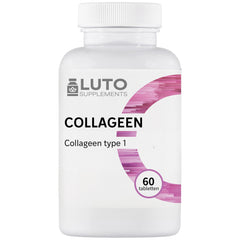
L-proline is one of the most common amino acids in collagen, the most important structural protein in skin, tendons, ligaments, and connective tissue. Together with glycine and the modified form hydroxyproline, proline makes up a large portion of the amino acid sequence there. For this reason, L-proline is often described in connection with collagen and connective tissue.
L-proline in foods
You consume L-proline primarily through high-protein foods. These include meat, bone broth, gelatin, dairy products, eggs, as well as plant-based protein sources such as legumes and wheat. In a varied, high-protein diet, proline is therefore a natural part of the menu.
Forms and variants of L-proline
As a dietary supplement, L-proline is predominantly available as a capsule or as loose powder. Capsules are convenient for on the go and come in exact pre-measured doses, while powder allows for flexible dosage adjustments. Proline is also available as part of amino acid complexes and collagen preparations. When choosing, pay attention to the respective amount per serving.
How much L-proline per day?
There is no generally applicable, official intake recommendation for L-proline, as the body can produce the amino acid itself and it is also consumed through food. The preparations commonly available on the market often range from a few hundred milligrams to around 1000 mg per serving. How much is right for you depends on your individual goals and diet; please always follow the recommended intake on the packaging.
When should you take L-proline?
There is no fixed time for taking L-proline. Many users take the capsules or powder with sufficient liquid during a meal, which makes it easier to incorporate into their daily routine. The exact timing is less important than taking it regularly in a way that fits well into your daily schedule.
Who might benefit from L-proline?
L-proline is often chosen by people who want to specifically supplement their amino acid levels – for example as part of an active sports lifestyle or in combination with collagen products. People who pay close attention to their protein intake are also interested in this amino acid. If you have existing medical conditions, are pregnant or breastfeeding, or are taking it for children, please consult a qualified professional beforehand.
What should you look for when buying?
When buying L-proline, it is worth checking the purity and the declared amount per capsule or serving. Also look for a clear list of ingredients, as few additives as possible, and a capsule shell that suits your diet (for example, vegan). Established brands generally provide clear information about origin and composition.
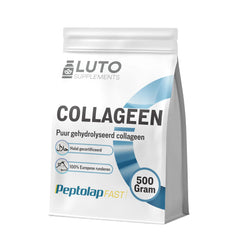
In addition to L-proline, other connective tissue building blocks and related categories might also be of interest to you. Discover our selection of collagen, browse the overview of amino acids, or take a look at L-glycine and L-lysine, which are also among the typical collagen amino acids.
Need more advice?

Tobian
Customer service