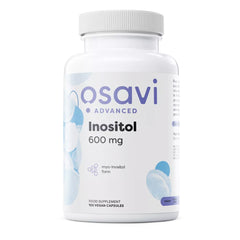
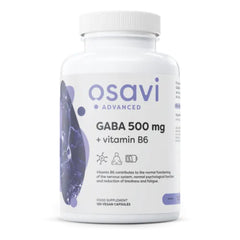
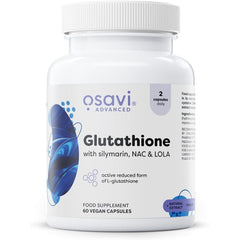
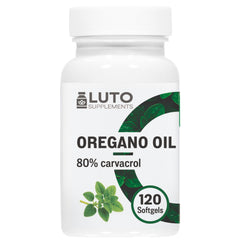

4 products
Filter op
Filter op
ActieprijsVanaf €18,90
Actieprijs€14,90
Actieprijs€17,90
Actieprijs€21,90
€7,30  / dosering

Buy Lecithin: Phospholipids from Soy & Sunflower with Natural Choline

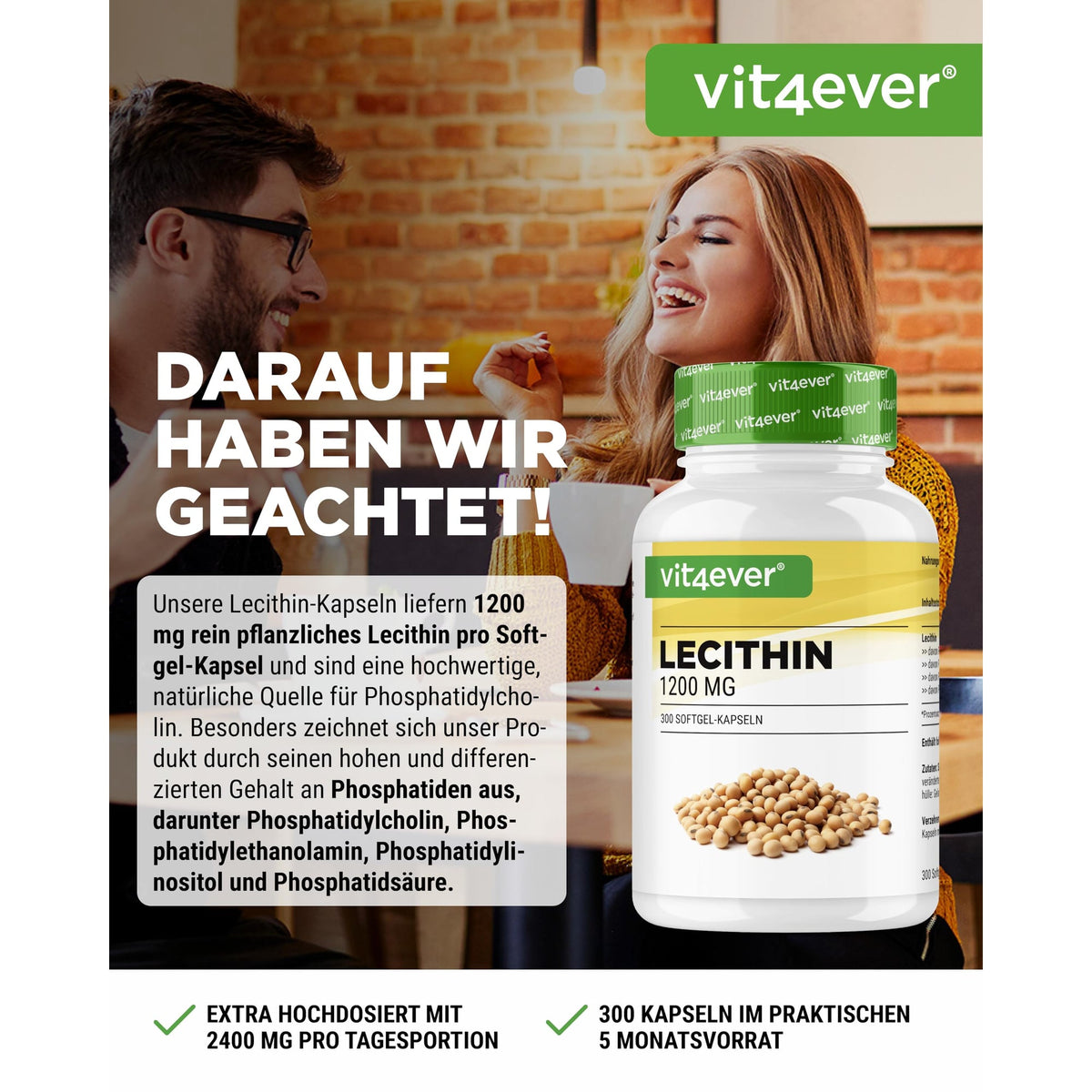
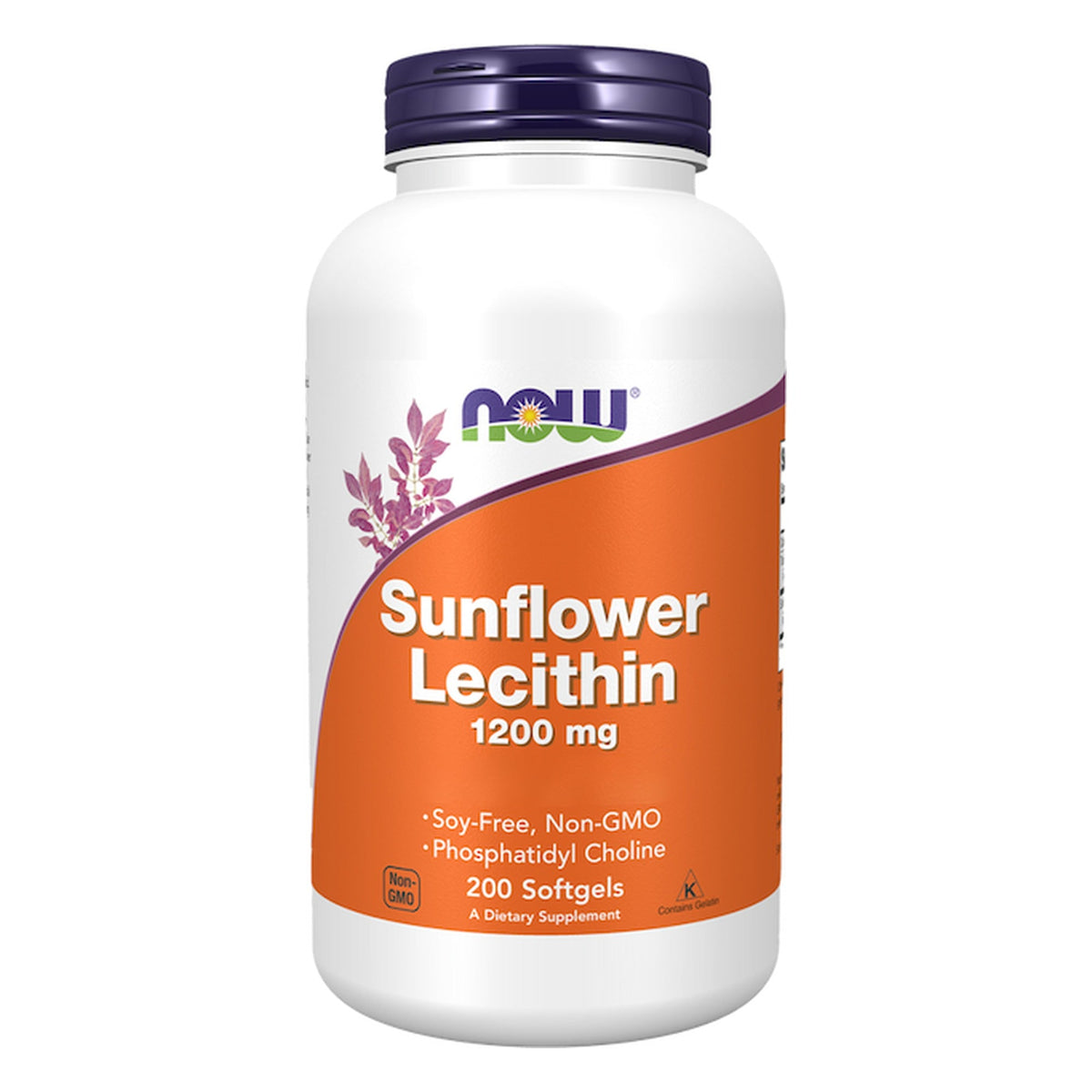
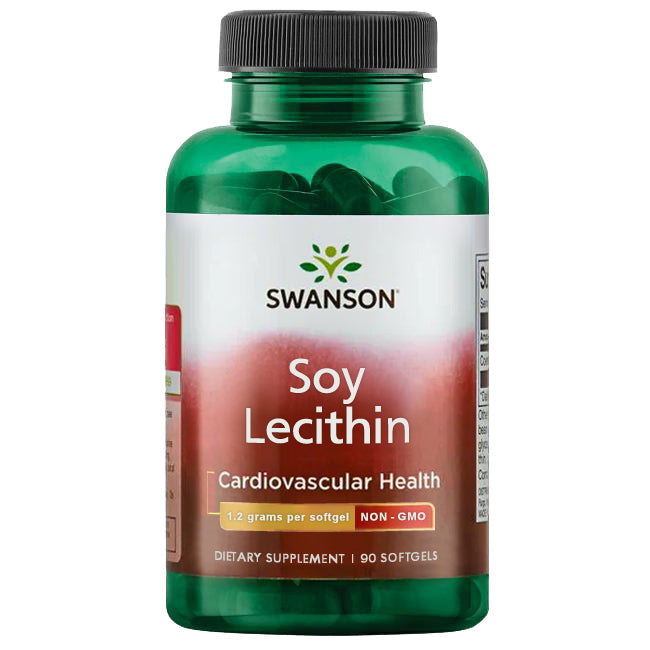
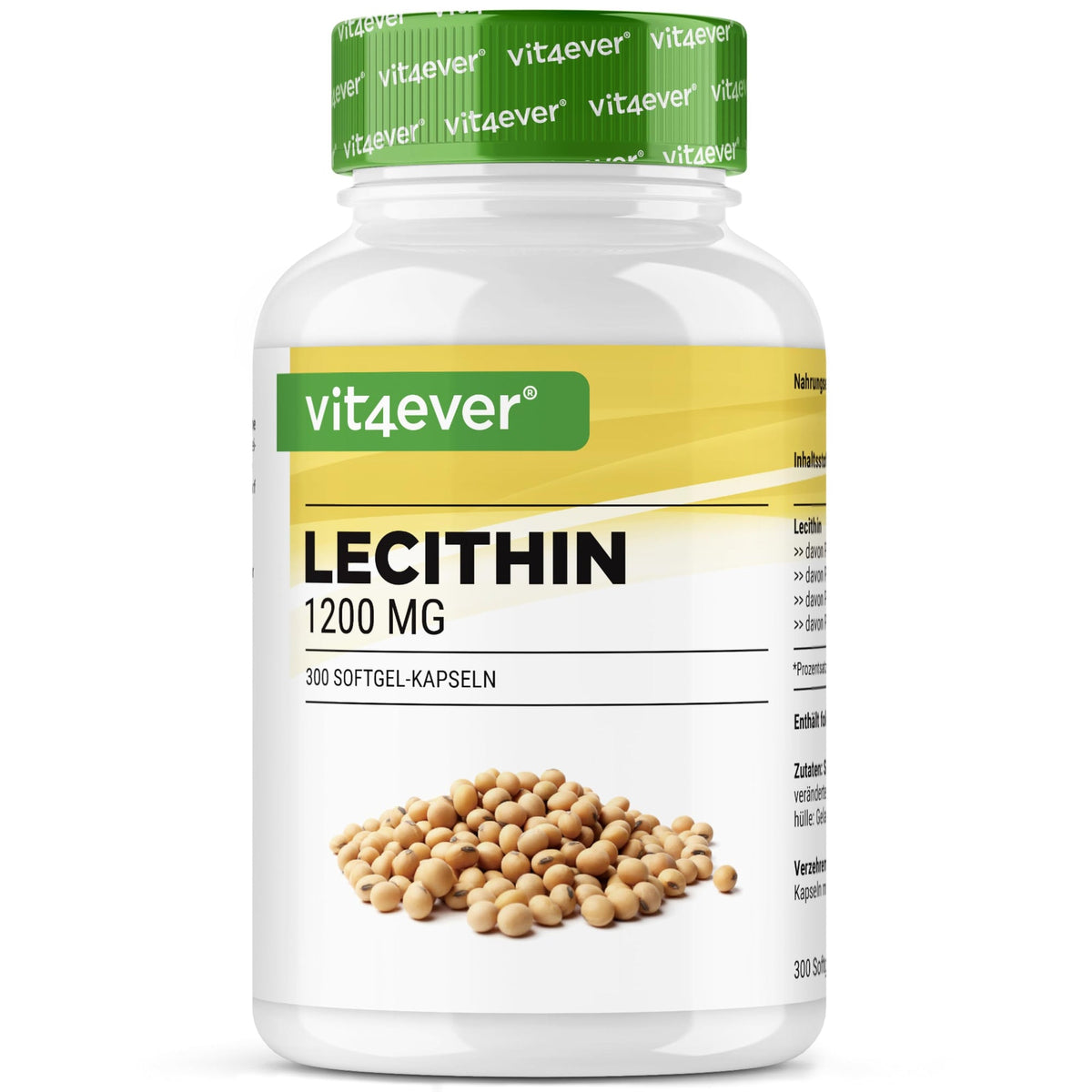
Lecithin is a collective term for a group of fat-like substances known as phospholipids, which form a natural component of every cell membrane. In our category, you will find lecithin from different sources and in various forms: from classic soy lecithin and soy-free sunflower lecithin to convenient softgels, granules, and powders from brands such as Vit4ever and Swanson.

Because lecithin naturally contains phosphatidylcholine and thus choline, it is popular among consumers who want to supplement their daily intake of phospholipids. On this page, we will explain objectively what lecithin is, what it is derived from, what role its choline content plays, and what you should look for when buying.

What is lecithin?

Lecithin refers to a mixture of phospholipids, primarily phosphatidylcholine, phosphatidylethanolamine, and phosphatidylinositol. These molecules have both water-loving and fat-loving parts and therefore act as natural emulsifiers. In nature, phospholipids are building blocks of every cell wall and occur in many foods, such as egg yolk, soybeans, and sunflower seeds.

Where does lecithin come from (soy or sunflower)?

For dietary supplements, lecithin is predominantly derived from two plant sources. Soy lecithin is the classic, widely available option and provides a balanced phospholipid profile. Sunflower lecithin is a soy-free alternative that is often chosen when soy should be avoided. Both forms contain phosphatidylcholine; the choice usually depends on personal preferences and the desired source plant.

Choline content in lecithin

The component that is important to many buyers is the choline bound in phosphatidylcholine. The choline content depends on the quality of the raw material and the concentration of the phospholipids, and it is stated on the nutritional table of the respective product. Choline contributes to normal fat metabolism, contributes to normal homocysteine metabolism, and contributes to the maintenance of normal liver function. These claims apply if a product provides a nutritionally relevant amount of choline—so it is worth taking a look at the declaration.

What forms and dosage forms are available?

Lecithin is available in various dosage forms. Softgels are flavorless and precisely dosed, making them ideal for taking on the go. Granules and powders can be flexibly stirred into yogurt, muesli, or drinks and are suitable for anyone who prefers a larger quantity. Liquid lecithin is occasionally used in the kitchen as an emulsifier.

How much lecithin per day?

A general amount cannot be stated outright, as the usual serving sizes vary depending on the product and concentration. Softgels often provide 1200 mg of lecithin per capsule, while granules are often listed as one to two teaspoons per serving. The recommended daily intake on the packaging is always the deciding factor.

When and how to take it?

Because lecithin contains fat-like phospholipids, it is usually taken with a meal. Swallow softgels with sufficient liquid, or stir granules or powder into a cold or lukewarm food. There is no required time of day; choose the time that best fits your daily routine.

Who might benefit from lecithin?

Lecithin is used by people who want to supplement their intake of phospholipids and natural choline—for example, in the case of a predominantly choline-deficient diet. Sunflower lecithin is also interesting for anyone looking for a soy-free source. If you are pregnant, breastfeeding, or have existing medical conditions, please consult your doctor before taking it.

What to look for when buying?

Pay attention to the source (soy or sunflower), the declared content of phosphatidylcholine or choline, and the dosage form that suits your daily routine. Compare the amount of pure lecithin per serving, check the ingredients list for unnecessary additives, and prefer products with transparent nutritional labeling from established brands.

In addition to lecithin, you might want to take a look at related categories: products for the liver, high-quality fatty acids from omega-3 fish oil, as well as other preparations from the herbs & plants category to sensibly complement a conscious dietary supplement range.

Need more advice?

Feel free to send us a message. We're happy to help and will answer your questions as soon as possible.
Tobian

Tobian

Customer service