
Echinacea
Echinacea, auch Roter Sonnenhut genannt, ist eine traditionsreiche Pflanze aus Nordamerika und zählt zu den bekanntesten Kräutern in der Nahrungsergänzung. Bei LUTO Supplements findest du Echinacea als Kapseln, Tabletten und konzentrierte Pflanzenextrakte. Im Sortiment sind reine Purpurea-Präparate etablierter Marken wie Vit4ever und Swanson vertreten. Auf dieser Seite erklären wir dir sachlich, was Echinacea ist, welche Arten es gibt und worauf du beim Kauf achten kannst.
Buy Echinacea: Coneflower in Capsules, Tablets, and Gummies
Echinacea, also known in German as Red Coneflower, is one of the best-known herbs from the North American herbal tradition and has long been associated with the colder months. The plant belongs to the daisy family, and the species most commonly used in supplements is Echinacea purpurea. No official health claims have yet been established for echinacea itself in the European Union, so we describe this herb objectively: what it is, where it comes from, and in what forms you can find it. If a product combines echinacea with vitamin C, vitamin D, or zinc, the approved claims for these nutrients apply: vitamin C, vitamin D, and zinc contribute to the normal function of the immune system.
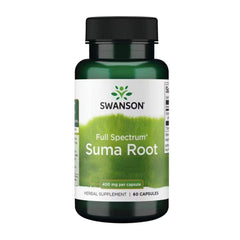
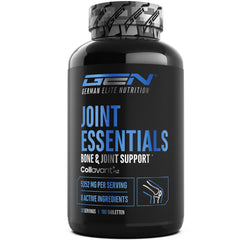
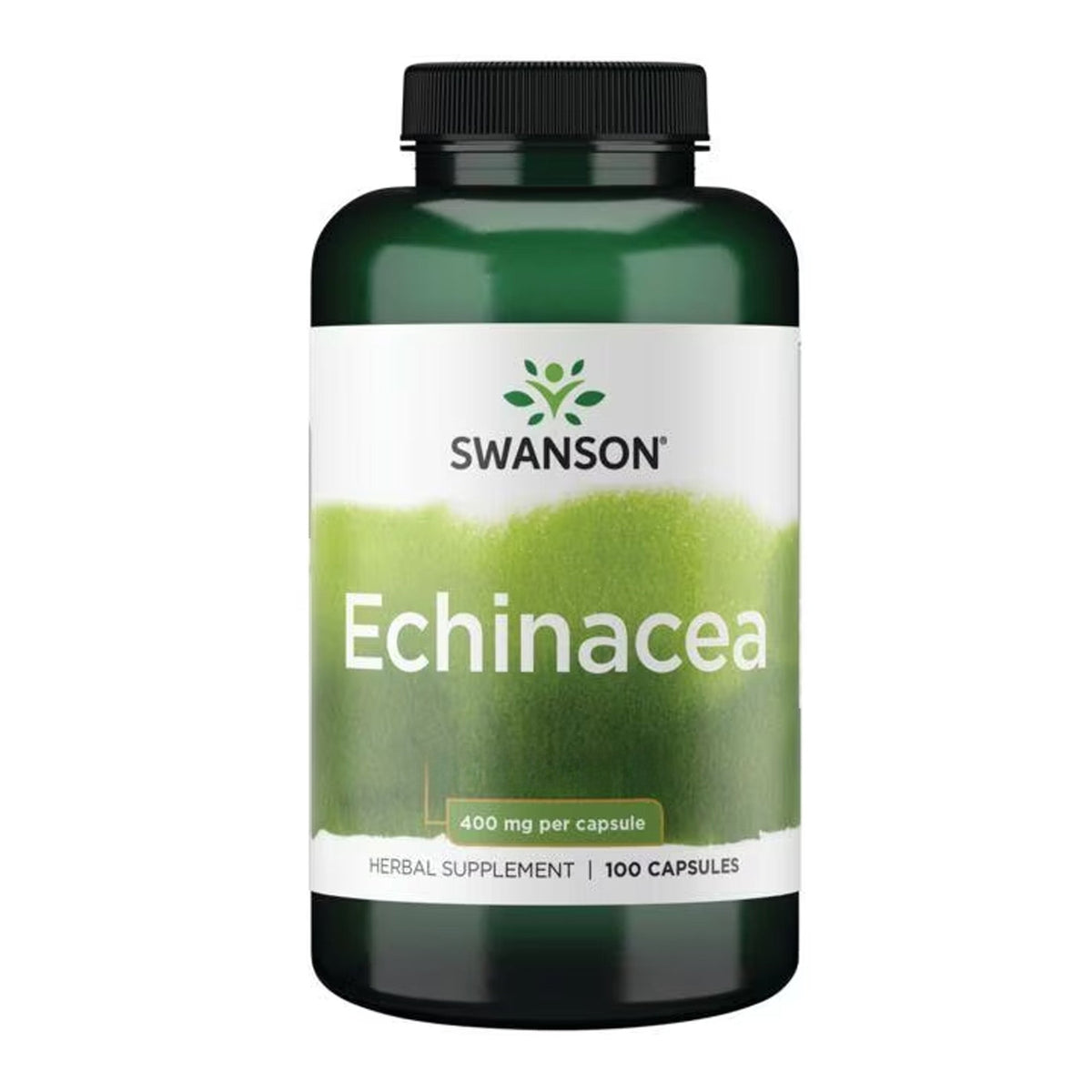
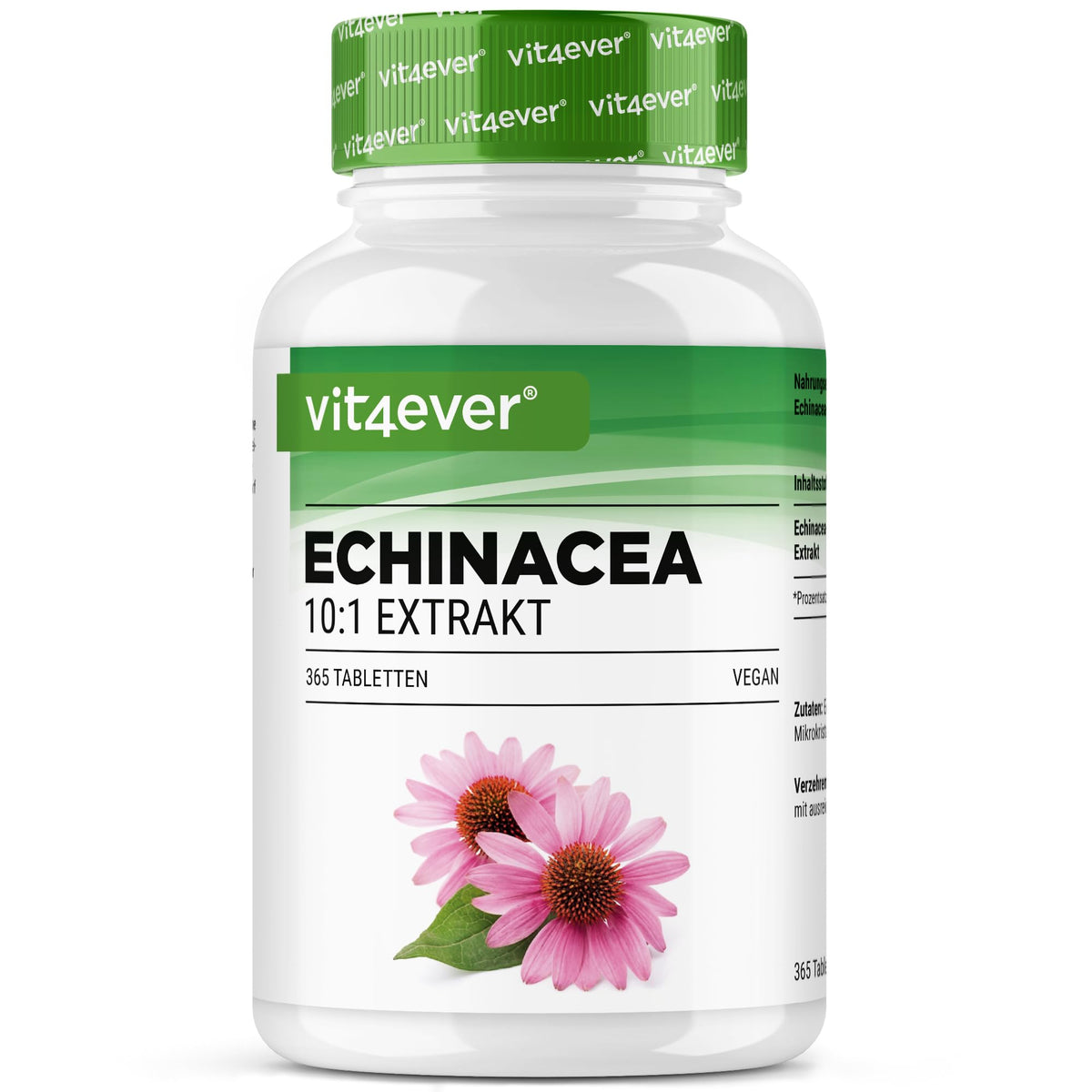
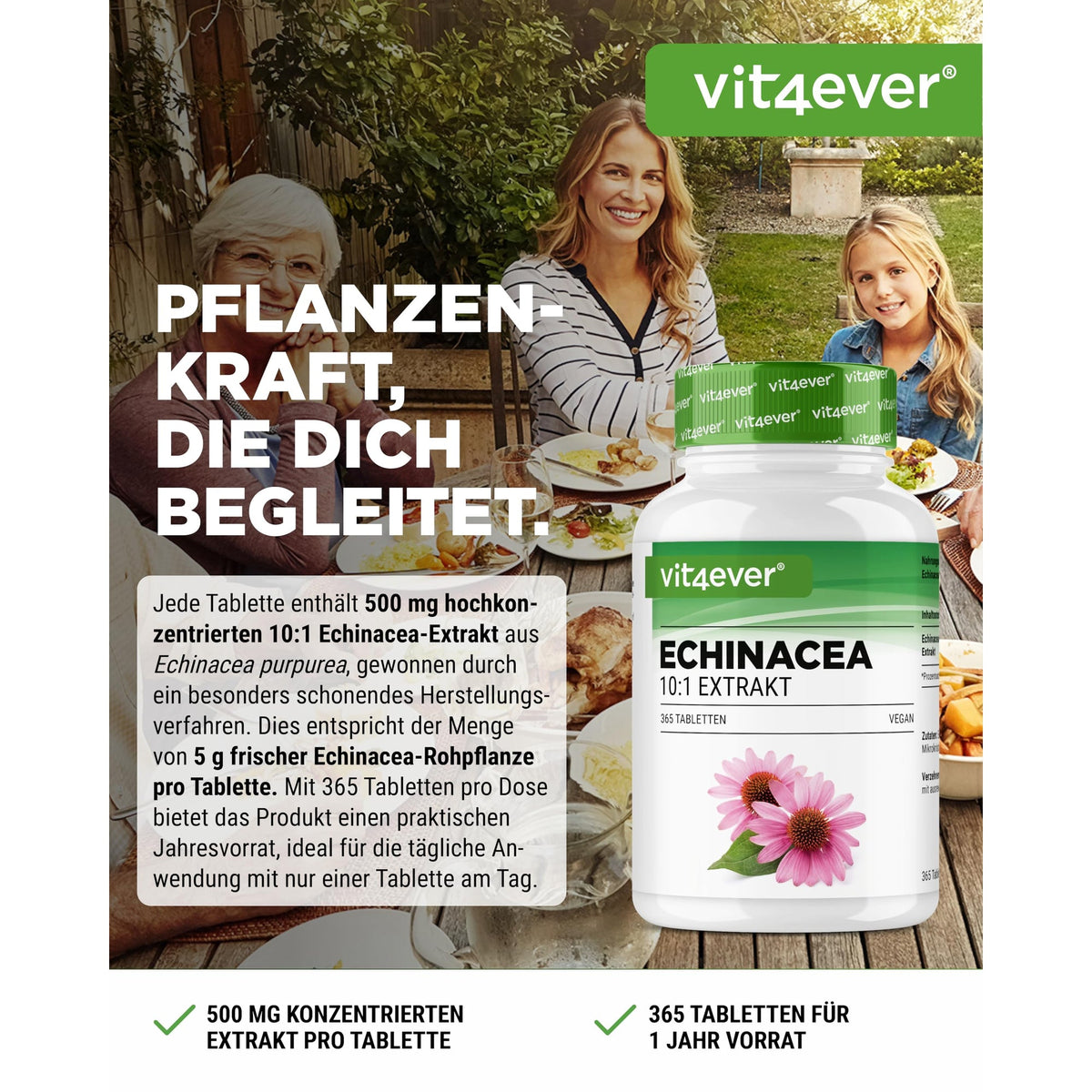
In this collection, you will find echinacea in various forms and combinations. For example, there is the classic Echinacea purpurea 400 mg in capsules from Swanson and a concentrated 10:1 extract with 500 mg in tablets from Vit4ever, both made from pure red coneflower. There are also broad-spectrum immune support formulas that contain echinacea along with other ingredients: Vit4ever's Immune Complex, LUTO Supplements' Immunity Gummies with vitamin C, echinacea, elderberry, and propolis, and German Elite Nutrition's comprehensive Immunity Essentials with vitamin C, D3, and zinc plus seven plant extracts. This way, you can choose between pure echinacea and a combination formula.
What is echinacea?
Echinacea is a genus of hardy plants with striking purple-pink flowers and a characteristic spiny flower head, from which the plant takes its name (the Greek echinos means hedgehog). The plant originally comes from the prairies of North America. In supplements, Echinacea purpurea, Echinacea angustifolia, and Echinacea pallida are primarily used, with purpurea being by far the most common. Both the above-ground herb and the root are processed.
Where does echinacea come from?
Red coneflower was traditionally used by the indigenous peoples of North America and later became established in Europe as a garden and herbal plant. Today, echinacea is grown on a large scale for the production of dietary supplements and herbal preparations. The plants are harvested and dried, and then the herb or root is ground into powder or processed into a concentrated extract.
What species of echinacea are there?
Within the echinacea genus, three species are primarily used in supplements. Echinacea purpurea is the best-known and most commonly processed species and is used both as an herb and as a root. Echinacea angustifolia is a narrow-leaved variety, from which the root is traditionally used above all. Echinacea pallida is a third species that you will encounter less often. The species differ in the plant compounds they contain and the plant part used; the label will tell you which species is in the product.
What is the difference between echinacea as an ornamental plant and as a supplement?
Red coneflower is well known to many people as a garden plant: an ornamental plant with purple-pink flowers that is planted in borders and beds because of its appearance. In supplements, specially grown and harvested plants are used, whose herb or root is dried and processed into powder, capsules, tablets, gummies, or a concentrated extract. An ornamental plant from the garden is therefore different from a standardized supplement, in which the species, plant part, and dosage are precisely defined.
Forms and variants compared
Echinacea is available in several dosage forms. Capsules and tablets contain dried herbal powder or an extract and are convenient for on the go. An extract, such as the 10:1 preparation from Vit4ever, is more concentrated: one part extract is obtained from ten parts plant material, so that you still take in a considerable amount of plant material in a small tablet. Gummies, such as the LUTO Immunity Gummies, are a pleasant chewable form and often combine echinacea with other ingredients. Also pay attention to the difference between pure echinacea products and combination formulas that contain echinacea along with vitamins, minerals, or other herbs.
Echinacea in combination with vitamins and minerals
Many immune support formulas combine echinacea with nutrients that do have an approved EU claim. Vitamin C, vitamin D, and zinc contribute to the normal function of the immune system. In addition, vitamin C helps protect cells from oxidative stress and helps reduce tiredness and fatigue. You will find such combinations in products like the Immune Complex, Immunity Gummies, and Immunity Essentials, where the echinacea extract is described as a plant-based ingredient and the claims apply exclusively to the vitamins and minerals in question.
Dosage: How much echinacea per day?
The correct amount depends on the form and concentration of the product. Pure herbal capsules often contain several hundred milligrams of herb per capsule, while a concentrated 10:1 extract with a lower dosage provides the same plant equivalent. For combination products, the manufacturer determines the daily serving based on all the ingredients. Therefore, always follow the recommended daily dose on the packaging and do not exceed it. If in doubt, especially during pregnancy or breastfeeding, or if you are taking medication, consult a doctor or pharmacist first. Always follow the directions for use on the packaging for the exact application.
How long can you use echinacea?
How long you use an echinacea product varies depending on the preparation and manufacturer. Some products are intended for a defined period, while others are for occasional use. The packaging will state whether a maximum duration of use is recommended and whether the product should be used with breaks. Follow these instructions and consult a doctor or pharmacist if you use it for a longer period or if in doubt. Always follow the directions for use on the packaging for the duration of use.
When do you take echinacea?
The time of intake depends on the form and the manufacturer's instructions. Capsules and tablets are generally taken with a little water, while gummies are chewed. Some people spread the daily serving throughout the day, depending on what the label says. There is no generally prescribed time; follow the intake schedule and directions for use provided with your product.
Which echinacea is best?
There is no product that is best for everyone; what is right for you depends on your preferences. If you want a pure herbal preparation, choose a single echinacea product containing only red coneflower, such as the capsules from Swanson or the 10:1 extract from Vit4ever. If you are looking for a broad-spectrum formula, combination products like the Immune Complex, Immunity Gummies, or Immunity Essentials may be interesting. Also pay attention to the species used, the plant part, the strength of the extract, and whether the product is suitable for a vegan or vegetarian diet.
Who is echinacea intended for?
Echinacea is popular with people who consciously pay attention to their diet and supplements during the colder months. Those who prefer a pure herbal preparation will find the individual echinacea products well suited to their needs, while a broad-spectrum immune support formula is interesting if you want to combine several ingredients in one product. Echinacea is generally not intended for young children; please note the age recommendations on the label.
What should you look for when buying echinacea?
When buying, pay attention to the species used (purpurea, angustifolia, or pallida) and the plant part used (herb or root). Also pay attention to the strength: If a standardized extract or an extract ratio such as 10:1 is stated, you will know how concentrated the product is. Also check whether the product is suitable for a vegan or vegetarian diet and whether it is free from additives you want to avoid, such as gluten, lactose, or gelatin. For combination products, it is helpful to look at the full list of ingredients so that you know which vitamins, minerals, and herbs are also included.
Also check out our other collections focused on immune support and herbs: Vitamin C, Zinc, Vitamin D3, and Herbs & Plants.
Need more advice?

Tobian
Customer service