
























11 products
Filter op
Filter op
Actieprijs€19,90
Actieprijs€19,90
Actieprijs€14,90
€331,85  / kg
Actieprijs€14,90
€373,43  / kg
UitverkochtSwanson Ultimate 16-Strain Probiotikum 60 Kapseln – Probiotikum | kaufen in Deutschland und Österreich
Actieprijs€12,90
€263,80  / kg
UitverkochtProbio 20 Bakterienkomplex 21 Milliarden KBE | 180 Kapseln | Vit4ever - Verpackung Vorderseite Probio 20 Bakterienkomplex 21 Milliarden KBE | 180 Kapseln | Vit4ever - Vorteile und Eigenschaften
Actieprijs€24,90
€13,83  / dosering

Buy Probiotics: Compare Bacterial Strains and CFU

Probiotics is the commonly used commercial category name for dietary supplements containing live bacterial cultures. We use the term here and in product names only as a category designation, because no health claims are permitted for bacterial cultures in the EU. This page is therefore about verifiable facts: which strains are included, how many colony-forming units are stated per serving, how the capsule is structured, and how to store the products.

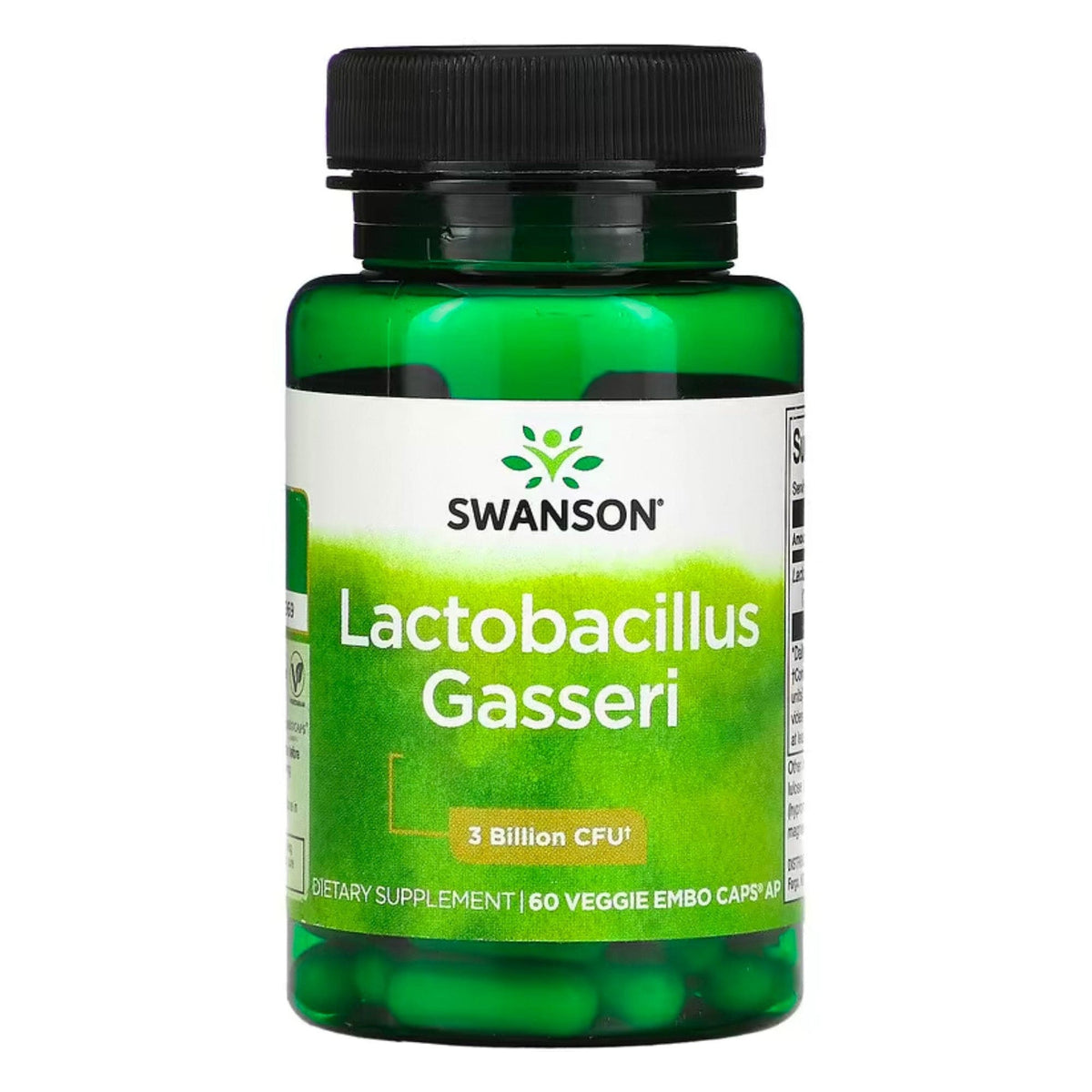
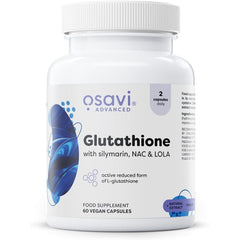
At LUTO Supplements, you will find several variants: the Probio 20 bacterial complex with 21 billion CFU and the Probiotics Complex Probio 25 with 25 bacterial strains and organic inulin from Vit4ever, the Ultimate 16-Strain product and Lactobacillus Gasseri with 3 billion CFU from Swanson, Probiotics with digestive enzymes and 5 billion CFU, as well as Digestive Enzymes + Probiotic from Osavi. On this page, you will learn how strains are named, what the numbers mean, and what to look for when comparing.

What is in a product with bacterial cultures?

The main ingredient is dried, viable bacteria, usually preserved by freeze-drying. In addition, there is a carrier substance, often corn starch, cellulose, or rice flour, and a capsule shell. Some formulas also contain fiber such as inulin from chicory root or enzymes. In the list of ingredients, the cultures are listed either individually or as a mixture with the total amount stated.

What do CFU and CFUs mean?

CFU stands for colony-forming units, or CFU in English. The number indicates how many bacteria capable of multiplying are contained in a serving. It is determined in the laboratory by placing a diluted sample on a nutrient medium and counting the resulting colonies. Typical indications range between several billion and several tens of billions of CFU per daily serving. Pay attention to whether the number refers to the time of manufacture or to the end of the best-before date.

How bacterial strains are named

A complete designation consists of three parts: genus, species, and strain. In Lactobacillus rhamnosus GG, Lactobacillus stands for the genus, rhamnosus for the species, and GG for the specific strain. The strain name is important because strains of the same species differ in their properties. A label that only lists the genus and species says less than one with a complete strain designation. Many genera were renamed in 2020, which is why you find names like Lacticaseibacillus or Lactiplantibacillus.

Why we do not make efficacy claims

Health claims may only be used in the EU if they are on the list of permitted claims. No such claim is permitted for bacterial cultures, nor for the gut flora, immune system, or digestion. That is why you will not find any such statements with us, but only the composition. We use the word probiotic exclusively as a category and product designation, as the manufacturers list it on the label.

One strain or many strains?

Products with a single strain, such as Lactobacillus Gasseri from Swanson, allow for a targeted selection. Multi-strain products such as Ultimate 16-Strain or Probio 25 contain many different cultures; the stated total amount is then distributed among all strains, so that the proportion per strain is smaller. Both are common approaches. Which one is right for you depends on whether you want to use a specific product specifically or prefer a broad mixture.

Combinations with enzymes and fiber

Some formulas combine cultures with digestive enzymes, for example Digestive Enzymes + Probiotic from Osavi and Probiotics with digestive enzymes from Swanson. Others contain organic inulin, a fiber from chicory root. There is a separate permitted claim for chicory inulin, but it is tied to an amount of 12 grams per day; the small amounts in combination products do not meet this condition, which is why we do not use the claim here.

Storage, shelf life, and intake

Live cultures are sensitive to heat and moisture. Keep the package tightly closed, dry, and cool; some manufacturers recommend the refrigerator, which is stated on the label. Capsules are usually taken with water, and many users choose a fixed time of day for this. Stick to the recommended daily dose on the label. Dietary supplements are not a substitute for a balanced and varied diet. In case of existing illnesses, a weakened immune system, during pregnancy and breastfeeding, and for children, speak with a doctor before use.

Need more advice?

Feel free to send us a message. We're happy to help and will answer your questions as soon as possible.
Tobian

Tobian

Customer service