



20 products
Filter op
Filter op
Actieprijs€22,90
Actieprijs€29,90
Actieprijs€25,90
€10,79  / dosering
ActieprijsVanaf €13,90
Actieprijs€21,90
Actieprijs€34,90
€69,80  / kg
ActieprijsVanaf €22,90
€45,80  / kg
Actieprijs€18,90
€6,30  / dosering

Collagen Supplements: the most common protein in the human body

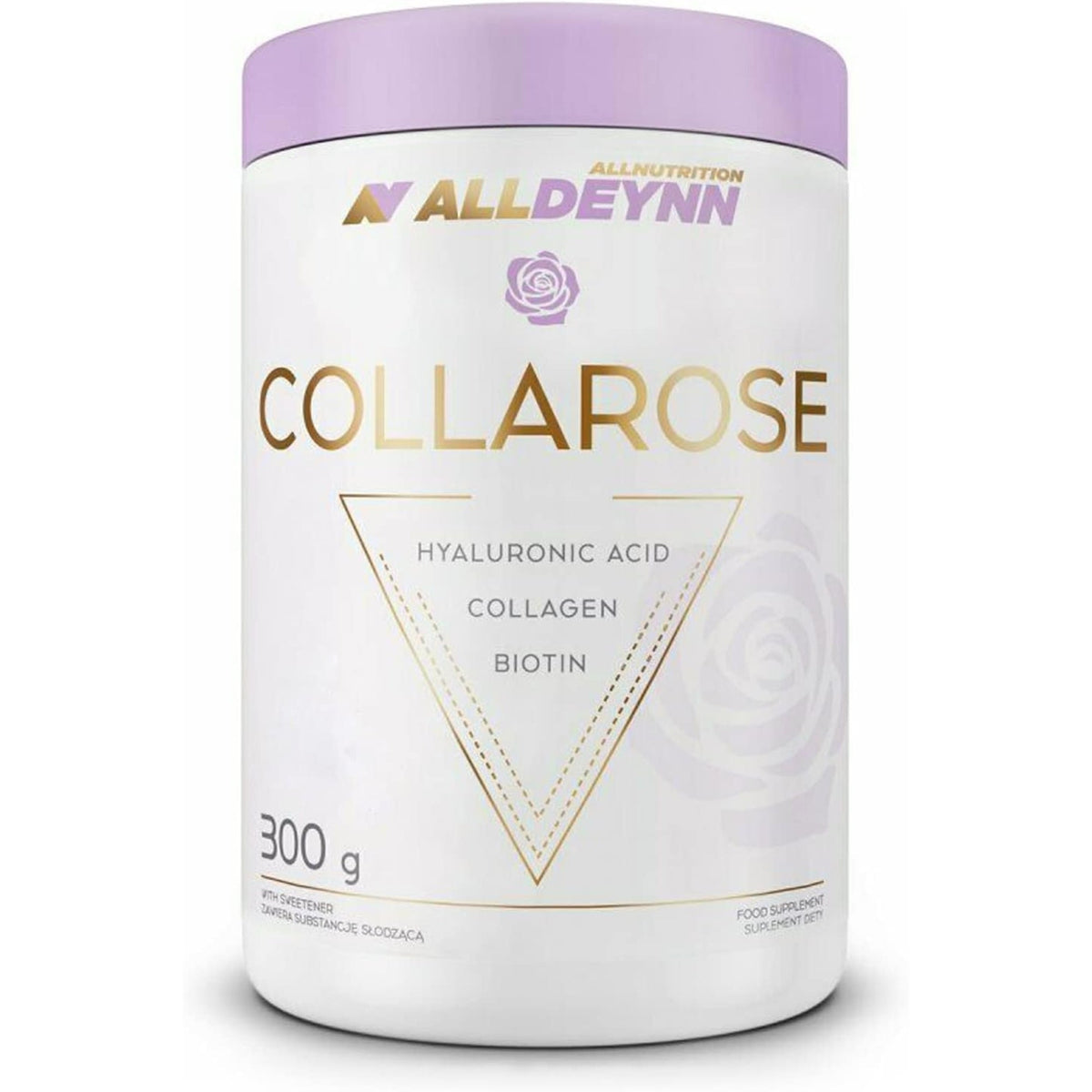
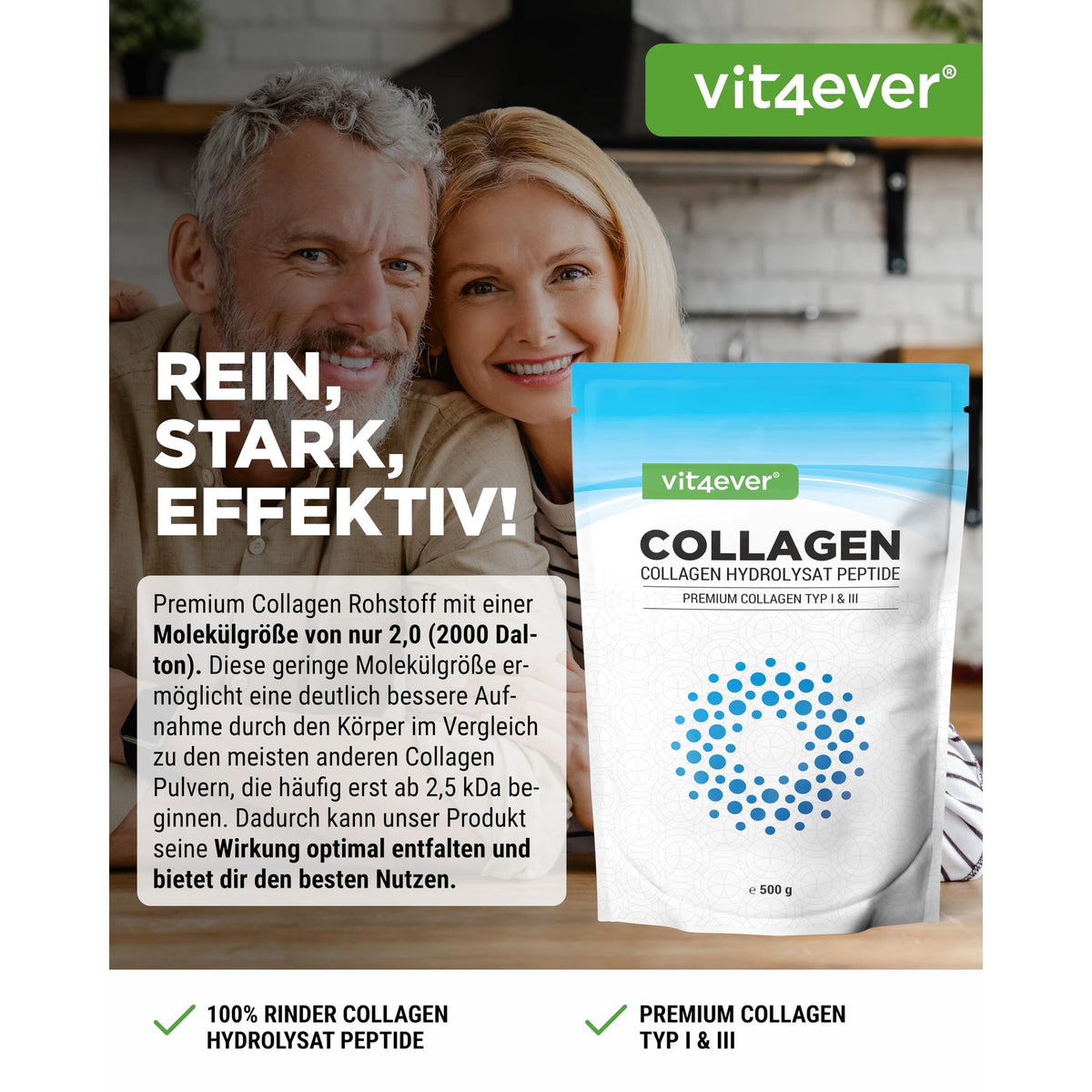
Collagen is the most common protein in the human body and forms an essential structural component of skin, bones, joints, tendons, cartilage and connective tissue. From around the age of 25, natural collagen production gradually decreases, contributing to the visible and tangible changes that come with aging. Collagen supplements, also known as collagen hydrolysate or hydrolysed collagen, are made by breaking down animal collagen into smaller peptides that the body can absorb more easily. In our range, you will find collagen supplements in various forms and compositions, from collagen powder and collagen capsules to combination products with vitamin C, so you can always choose the option that suits your preferences.

What is collagen?

Collagen is a fibrous protein (structural protein) consisting of long chains of amino acids, particularly glycine, proline and hydroxyproline. It forms the structural basis of connective tissue in the body and is responsible for the strength and elasticity of skin, bones and joints. More than 28 different types of collagen have been identified, but types I, II and III are the most relevant for supplementation. Type I collagen is the most common type in the body and is found mainly in skin, bones, tendons and connective tissue. Type II collagen is concentrated in cartilage and joints. Type III collagen occurs together with type I and is found in skin, muscles and blood vessels.

What is collagen good for?

Collagen is the body's most important structural protein in skin, bones, joints, tendons, cartilage and connective tissue; this is the actual role that collagen naturally fulfills. It is important to know that no official health claims have been approved for collagen as a dietary supplement. We therefore cannot promise what a collagen supplement "does" or what it is "good for". What is permitted, however, is the approved health claim for vitamin C: vitamin C contributes to normal collagen formation for the normal function of, among other things, the skin, bones, cartilage function, gums, teeth and blood vessels. This is why many collagen supplements contain added vitamin C or are combined with it. We continue to describe collagen here purely factually; for personal advice, you can consult a doctor or nutritionist.

Hydrolysed collagen versus regular collagen

For use in supplements, collagen is usually hydrolysed, meaning that the long collagen chains are broken down into smaller collagen peptides through an enzymatic or chemical process. These smaller molecules are more soluble in water and are absorbed more efficiently by the body than unprocessed collagen. Hydrolysed collagen, also known as collagen hydrolysate or collagen peptides, is therefore the most commonly used and best-researched form for supplementation. Non-hydrolysed collagen, such as that found in gelatin, is absorbed less efficiently and is therefore less suitable as a daily supplement.

Where does the collagen in supplements come from?

Collagen used in supplements is obtained from animal sources. The most commonly used sources are bovine collagen, obtained from the skin and bones of cattle, and marine collagen, obtained from the skin and scales of fish. Bovine collagen contains mainly type I and type III collagen and is widely used in collagen powder and capsules for general use. Marine collagen consists predominantly of type I collagen and may have slightly better bioavailability than bovine collagen due to its smaller molecular size. For people who do not consume beef or pork for religious or ethical reasons, marine collagen is a suitable alternative. There is no such thing as fully plant-based collagen, but vegan collagen boosters are available that combine ingredients such as vitamin C, zinc and certain amino acids. Vitamin C contributes to normal collagen formation for the normal function of, among other things, the skin, bones, cartilage function and blood vessels.

Collagen types I, II and III: which type do you need?

The choice of a specific type of collagen depends on what you want to use it for. Types I and III collagen are most relevant for people interested in the structure and composition of skin, hair, nails and connective tissue. These types are abundant in bovine and marine collagen and are found in most broadly formulated collagen supplements. Type II collagen is specific to cartilage and joints and is obtained from chicken sternum or other cartilage sources. Products aimed at joints usually contain denatured type II collagen or UC-II collagen, a patented form that is used in smaller quantities than hydrolysed collagen.

Collagen powder, capsules or liquid collagen

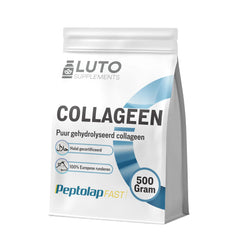
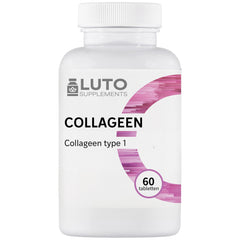
Collagen supplements are available in various forms, and the best choice depends on your personal preferences and ease of use. Collagen powder is one of the most popular forms due to its flexibility in use: It dissolves easily in water, coffee, tea or a smoothie and is usually cheaper per serving than capsules. Collagen capsules are convenient for on the go and offer a fixed dose per capsule without flavour or preparation time. Liquid collagen is ready to use, but is often more expensive per serving and sometimes contains added flavours or sugar. For all forms, it is important to pay attention to the amount of hydrolysed collagen per serving and the origin of the raw material.

The role of vitamin C in collagen supplementation

Vitamin C plays an essential role in the formation of collagen in the body. According to the approved health claim, vitamin C contributes to normal collagen formation for the normal function of the skin, bones, cartilage function, gums, teeth and blood vessels. It is a cofactor for the enzymes that convert the amino acids proline and lysine into hydroxyproline and hydroxylysine, the building blocks that enable the stable triple helix structure of collagen. This is why many collagen supplements contain added vitamin C or are combined with a separate vitamin C intake. If you choose a collagen supplement without added vitamin C, it is sensible to ensure that your daily diet or supplement routine contains sufficient vitamin C.

How much collagen per day and when do you take it?

The common daily dose of hydrolysed collagen in supplement form is between 5 grams and 15 grams per day, depending on the type of product and the intended use. Collagen capsules usually contain less collagen per serving than collagen powder, so you may sometimes need several capsules per day to achieve a comparable amount. Collagen can be taken at any time of day; there is no scientific consensus on an optimal time to take it. Some people take collagen powder in the morning in their coffee or breakfast drink, others around a workout or before bedtime. Consistency in daily use is practically the most important thing for most people. Always follow the recommended dosage on the packaging; no official nutrient reference intake has been established for collagen.

Possible warnings with collagen supplements

Collagen supplements are generally well tolerated. Some people may experience mild digestive discomfort at the beginning, such as a feeling of fullness or slight bloating. People with a known allergy to fish, shellfish or beef should carefully check the origin of the collagen used before choosing a supplement. During pregnancy and breastfeeding, it is advisable to consult a doctor before starting collagen supplementation. Always use collagen according to the recommended dosage and consult a doctor or nutritionist if in doubt.

Which collagen is best? Comparing supplements

There is no single "best" collagen; which one is most suitable depends on your preferences and your goal. When comparing collagen supplements, there are a few points you can practically pay attention to. Firstly, the collagen type and origin, with marine and bovine collagen being the most common options, each with their own characteristics. Secondly, the amount of hydrolysed collagen per daily serving, expressed in grams, so that you can fairly compare products. Thirdly, the presence or absence of vitamin C in the formula. And finally, the form of the supplement, powder, capsules or liquid, as well as the price per daily serving in relation to the package size. Collagen is related to protein and connective tissue; for related products, also check out our Protein and Glucosamine collections.

Would you like to learn more about collagen itself first? Read our explanation of what collagen is: the types, the sources and what to look for when buying.

Need more advice?

Feel free to send us a message. We're happy to help and will answer your questions as soon as possible.
Tobian

Tobian

Customer service