















Sort by
Sort by
Sale price€20,90
Sale price€19,90
€62,19  / kg
Sale price€21,90
€9,13  / serving
New
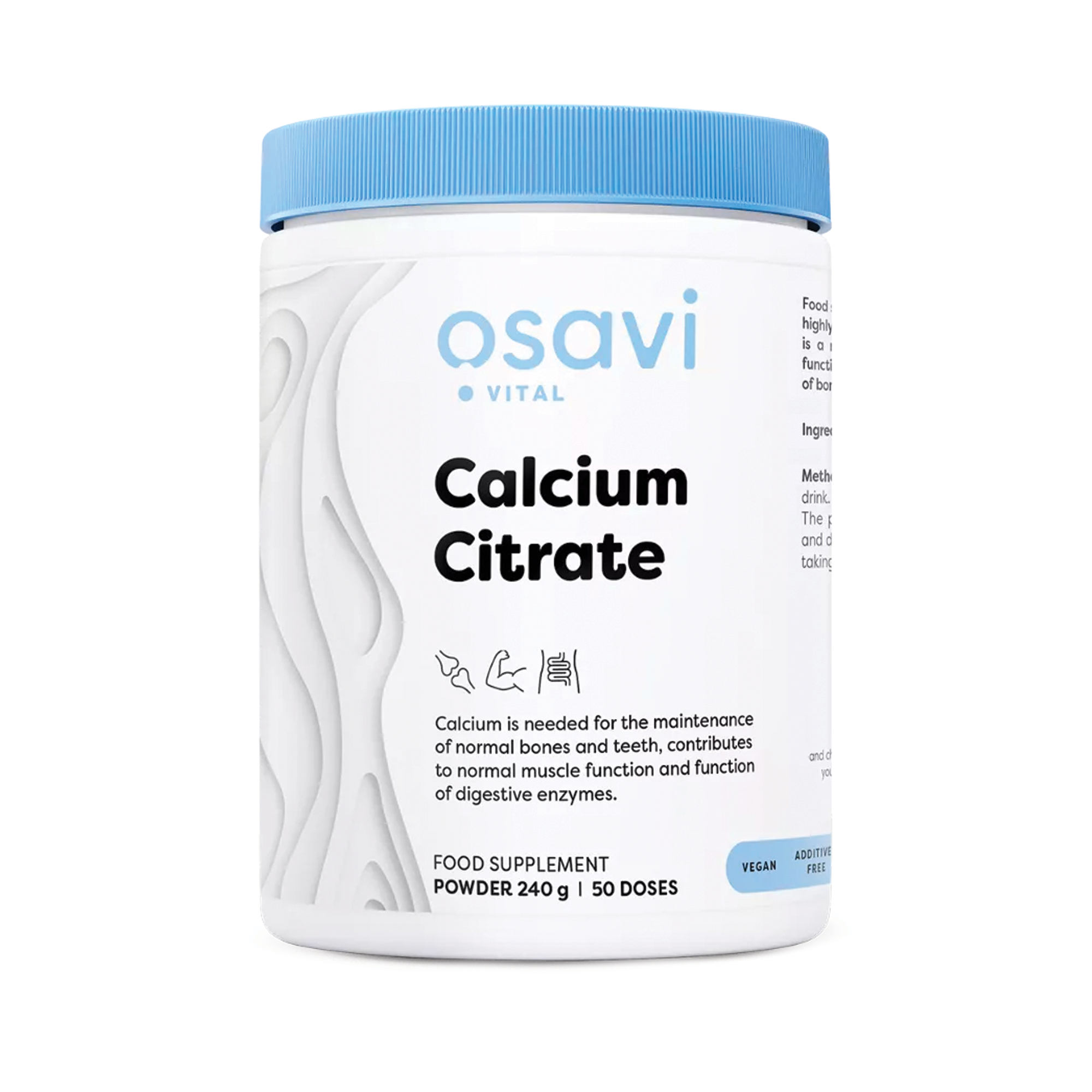
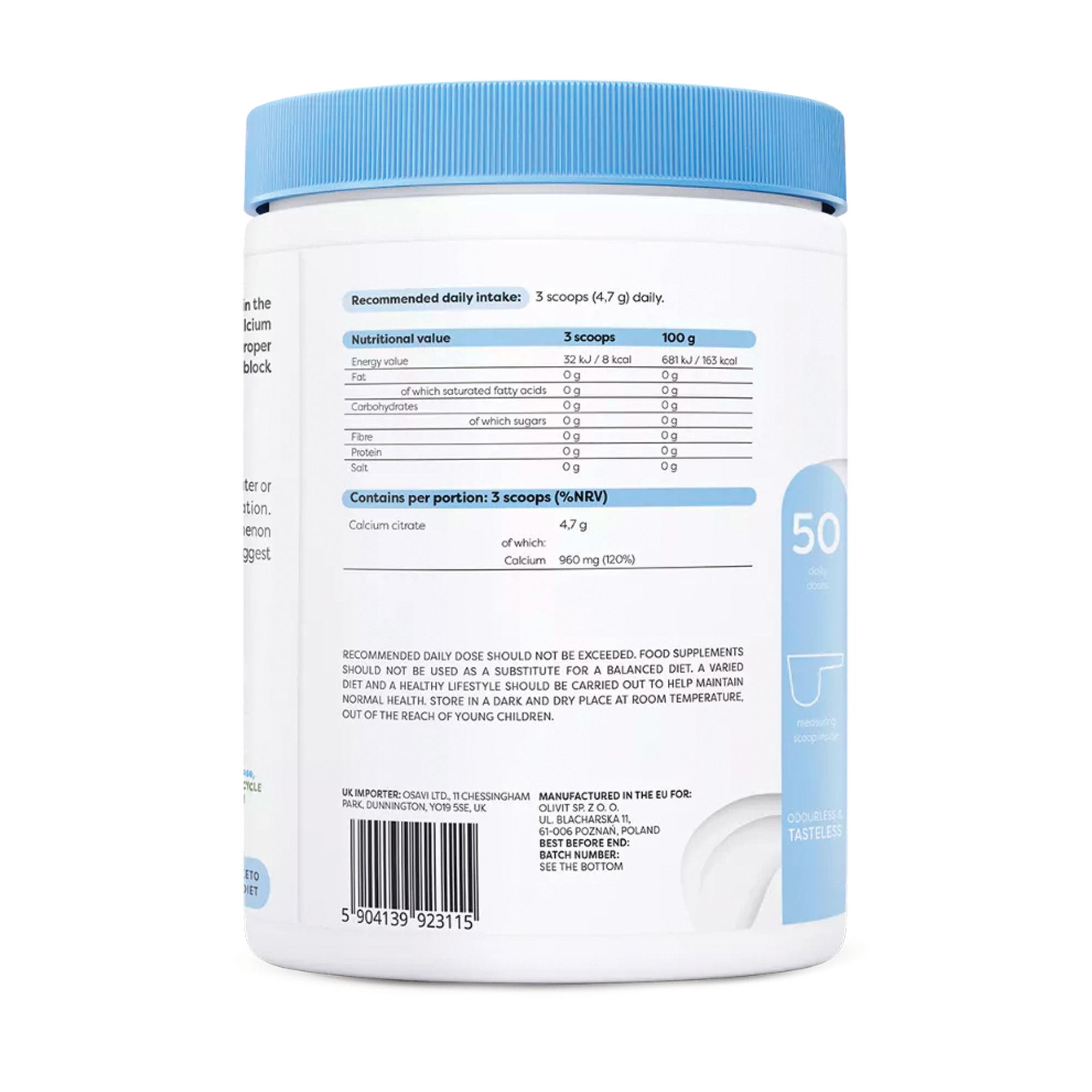
Calciumcitrat Reines Pulver | 227 Gramm | NOW Foods
Sold out
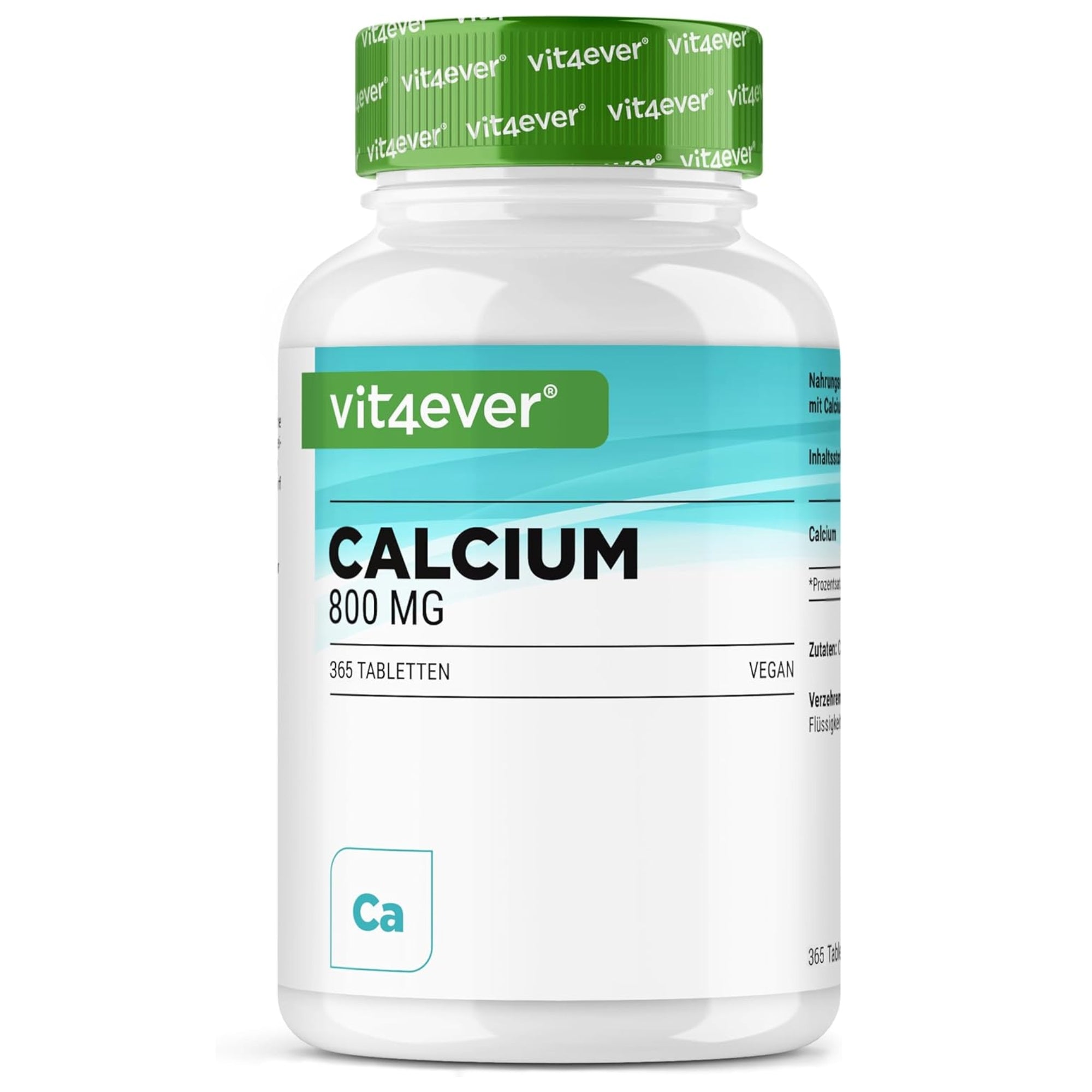
Vit4ever Calcium 800 mg Calciumcarbonat Vit4ever Calcium 800 mg Calciumcarbonat 240 & 365 Tabletten – Produktverpackung Vorderseite

Buy Calcium: An Essential Mineral for Bones, Teeth, and Muscles

Calcium is the most abundant mineral in the body and plays a role in important processes. Calcium is needed to maintain normal bones and teeth and contributes to normal muscle function, normal blood clotting, normal energy metabolism, and normal signal transmission between nerve cells. The vast majority of the calcium in the body is found in the bones and teeth. Since the body does not produce calcium itself, regular intake through food or a supplement is important. In our range, you will find calcium as a single supplement, in the form of calcium carbonate and calcium citrate, as well as in combination with magnesium or in electrolyte and mineral complexes.

What Is Calcium and What Does It Do?

Calcium is an essential mineral that the body needs for various functions. According to accepted nutritional claims, calcium is needed to maintain normal bones and teeth. Furthermore, calcium contributes to normal muscle function, normal blood clotting, normal energy metabolism, normal signal transmission between nerve cells, and the normal function of digestive enzymes. Calcium also plays a role in cell division. The label of each product states how much calcium is provided per serving, expressed in milligrams.

Calcium for Bones and During Menopause

Calcium is primarily known for its role in bone health. The mineral is needed to maintain normal bones, and together with vitamin D, calcium is needed for the healthy growth and development of bones in children. For women after menopause, there is a specific accepted claim: together with vitamin D, calcium helps reduce the loss of bone minerals in women after menopause. Low bone mineral density is a risk factor for osteoporotic fractures. For this reason, calcium is also a commonly used supplement for older adults and postmenopausal women.

What Foods Contain Calcium?

Calcium occurs naturally in various foods. The best-known sources are dairy products such as milk, cheese, and yogurt. In addition, green leafy vegetables such as kale and broccoli, legumes, nuts, seeds (such as sesame and almonds), and small fish with bones (such as sardines) provide calcium. There are also calcium-enriched products, including plant-based drinks. For people who consume little dairy, for example due to a vegan diet or lactose intolerance, a calcium supplement can be a practical addition.

Calcium Carbonate or Calcium Citrate: Which Form Should You Choose?

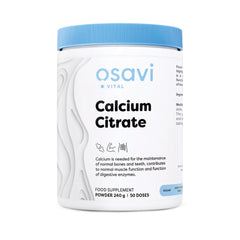
In supplements, calcium is bound to another substance, and this binding determines its properties. Calcium carbonate contains a high proportion of elemental calcium and is a commonly used, affordable form; it is preferably taken with a meal because stomach acid aids absorption. Calcium citrate is bound to citric acid, contains slightly less elemental calcium by weight, but is well absorbed regardless of a meal and is gentler on the stomach. There are also forms such as calcium alpha-ketoglutarate and calcium D-glucarate. When comparing, pay attention to the amount of elemental calcium per serving.

Combining Calcium and Magnesium

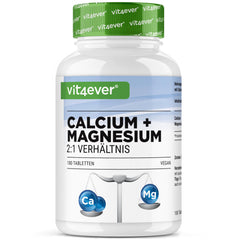
Calcium is often combined with magnesium in supplements, for example in a fixed ratio of 2:1. Both minerals play a role in the function of the muscles and nervous system and are therefore regularly offered together. Calcium is also found in broader mineral complexes and electrolyte products, together with, for example, magnesium, potassium, and sodium. Therefore, in our range, you will find calcium both as a single supplement and in combination products. The label states how much of each mineral is provided per serving.

How Much Calcium Per Day?

The recommended daily amount of calcium for adults is approximately 950 to 1000 mg per day, with a higher requirement for certain groups such as older adults. The body cannot absorb a large amount of calcium at once as effectively, which is why it is advisable to spread higher doses throughout the day. Follow the recommended dosage on the packaging and do not exceed it without consultation. If you have kidney disease, are taking certain medications, or have any doubts, it is advisable to consult a doctor beforehand.

Buy Calcium: What Should You Look For?

When choosing a calcium supplement, a few points are important. Look at the amount of elemental calcium per serving in milligrams and at the form used, such as calcium carbonate or calcium citrate. Decide whether you are looking for a single calcium supplement or a combination, for example with magnesium or vitamin D, which supports the absorption of calcium. Pay attention to the dosage form (tablets, capsules, or powder) and the price per daily serving. For related products, also check out our Minerals and Magnesium collections.

Need more advice?

Feel free to send us a message. We're happy to help and will answer your questions as soon as possible.
Tobian

Tobian

Customer service