

5 products
Filter op
Filter op
ActieprijsVanaf €11,90
ActieprijsVanaf €6,90
€134,62  / kg
Actieprijs€22,90
€95,06  / kg
Actieprijs€17,90

Buy Maca: the Root Tuber from the Andes

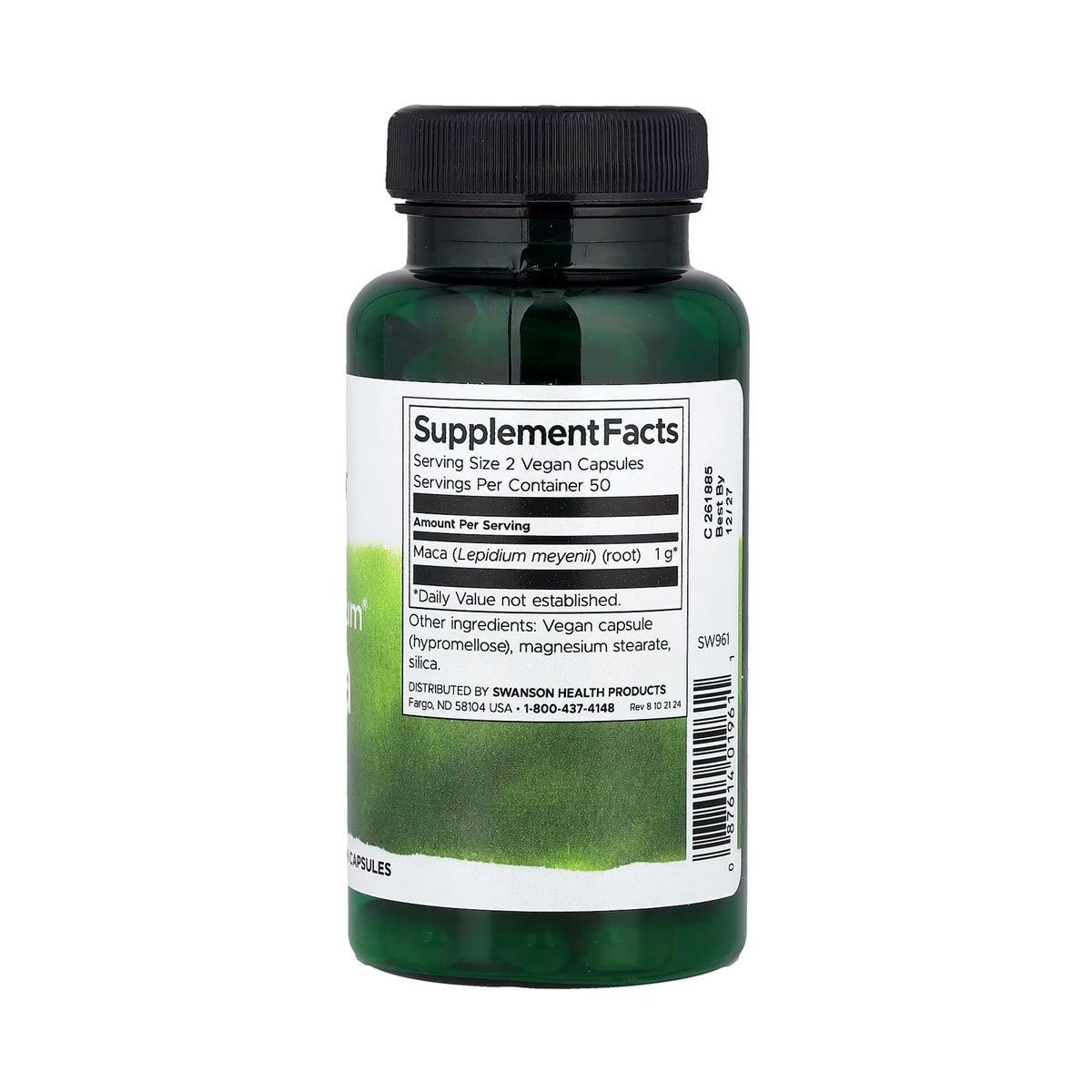
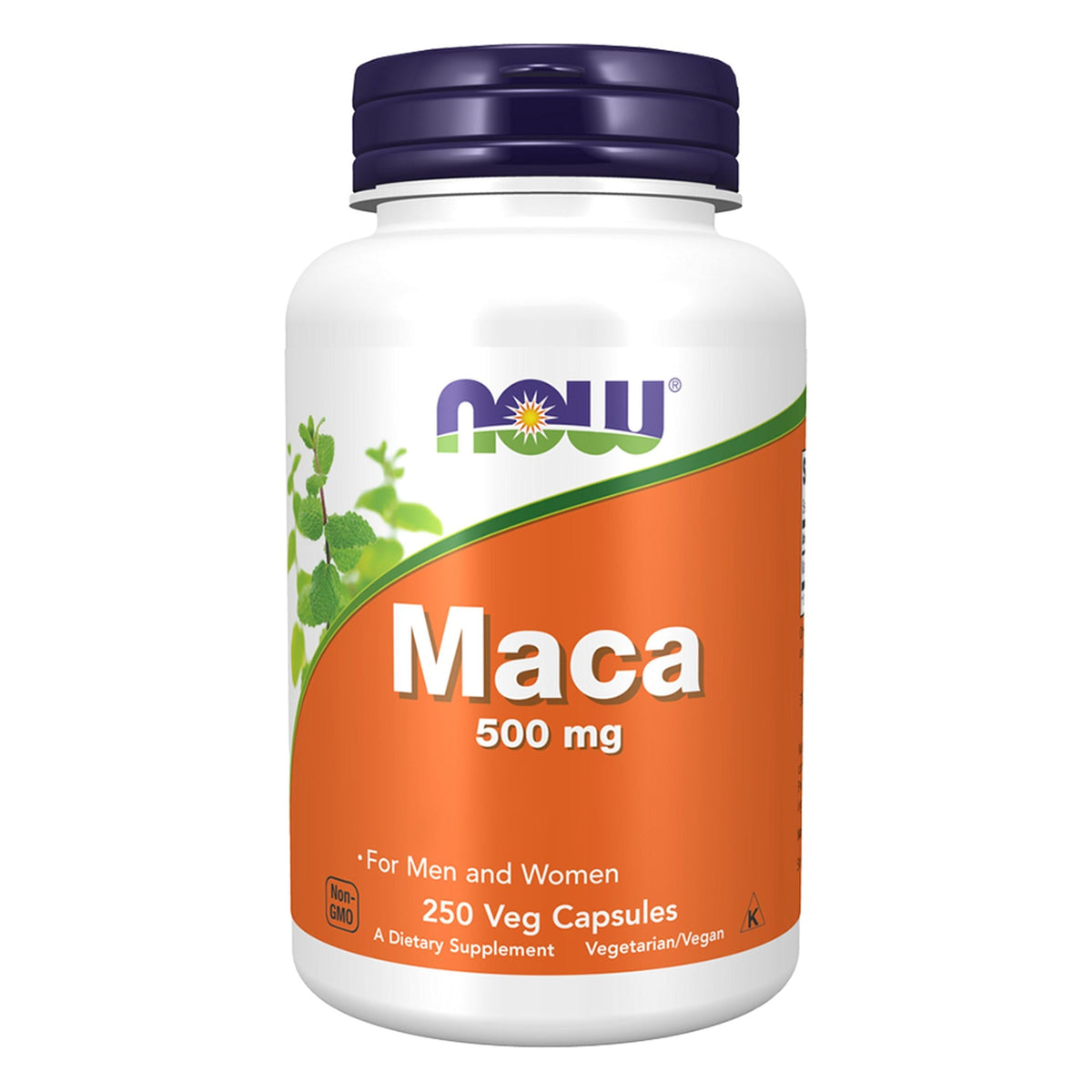
Maca (Lepidium meyenii) is a plant from the high mountains of the Andes, whose root tuber has been used for centuries as a food plant and in traditional herbal medicine. Maca belongs to the same plant family as cabbage and radishes. For supplements, the dried root is processed into powder or a concentrated extract. In our range, you will find maca as capsules, as a standardized extract (for example 10:1), and in combinations, in different dosages.

What is Maca?

Maca is the common name for Lepidium meyenii, a tuberous plant that grows at high altitudes in the Peruvian Andes under harsh climatic conditions. The edible root tuber is traditionally used as food in the Andes and is rich in carbohydrates and fiber. For supplements, the root is dried and ground into powder or processed into a concentrated extract. We describe maca here objectively as a traditional root plant, without associating it with any promises of efficacy: No official health claims are approved for maca. The label states how much maca a product provides per serving.

What is Maca Good For and How Do You Use It?

Maca is a traditional root plant from the Andes that has been used there as food for centuries; that is the objective background. It is important to know that no official health claims are approved for maca as a dietary supplement. We therefore cannot and are not allowed to promise what maca "does" or what it is "good for"; interest in it is primarily based on its traditional use. As for application: maca powder has a characteristic, slightly malty taste and can be stirred into water, juice, yogurt, oatmeal, or a smoothie. Capsules and extracts are flavor-neutral and practical if you prefer to avoid the taste of powder. Stick to the dosage on the packaging; for personal advice, you can consult a doctor or therapist.

Where Does Maca Come From?

Maca originally comes from the high mountains of Peru, where the plant is grown at altitudes of over 3,500 meters. The harsh growing conditions (large temperature differences, strong sun, and poor soil) are characteristic of maca. After harvesting, the tubers are dried, which traditionally takes place outdoors. For supplements, the dried root is ground into powder or concentrated into an extract. The origin (often Peru) and the color of the maca used are usually stated on the product page.

Yellow, Red, and Black Maca

Maca occurs in different natural colors, which correspond to different varieties of the tuber. The best known are yellow, red, and black maca. Yellow maca is the most common and widely used variety. Red and black maca are less common. The colors refer to natural varieties of the same plant; some products use one color, others a mixture. Which one you choose is primarily a matter of preference and availability. The label states which type of maca it is.

What Forms of Maca Are Available?

Maca is available as a supplement in different forms. Maca powder is the root in ground form and can be stirred into water, juice, yogurt, or a smoothie; it has a characteristic, slightly malty taste. Capsules with maca powder or maca extract offer a fixed dosage and are flavor-neutral in use. Concentrated extracts (for example 10:1) provide a higher concentration per capsule. In addition, you will encounter maca in combination products, for example together with L-arginine or in a superfood blend. When comparing, it is helpful to pay attention to the amount of maca per serving and whether it is powder or a concentrated extract.

How Much Maca Per Day?

No official recommended daily amount has been established for maca. The dosage varies depending on the product and form (powder, capsules, or extract) and is stated on the packaging, expressed in milligrams or grams per serving. With a concentrated extract (such as 10:1), the required amount is lower than with powder. Stick to the recommended intake of the respective supplement and do not exceed the recommended dosage without consultation. When taking medication, during pregnancy or breastfeeding, or in case of doubt, it is advisable to consult a doctor or therapist beforehand.

Buy Maca: What Should You Look For?

When choosing a maca supplement, a few points are practically important to consider. Look at the amount of maca per serving and whether it is powder or a concentrated extract (for example 10:1); with an extract, you need less for the same concentration. Decide whether you are looking for a specific maca color (yellow, red, or black) and whether you want a single product or a combination. Pay attention to the origin (often Peru), purity, and price per daily serving. Maca is one of the herbs and superfoods; for related products, also check out our collection Herbs & Plants.

Need more advice?

Feel free to send us a message. We're happy to help and will answer your questions as soon as possible.
Tobian

Tobian

Customer service