6 products
Filter op
Filter op
Actieprijs€11,90
Actieprijs€27,90
ActieprijsVanaf €15,90
€9,94  / dosering
Actieprijs€20,90
€41,80  / kg
Actieprijs€15,90
Actieprijs€16,90

Buy L-Lysine: Tablets and Powder with Essential Amino Acid

L-lysine is one of the twenty proteinogenic amino acids that your body uses to build protein, and it is one of the nine essential ones. Essential means that your metabolism cannot produce lysine from other building blocks. Chemically, lysine is an alkaline amino acid with a long side chain ending in an amino group. Only the natural L-form is used in dietary supplements, which is the same form found in food proteins.

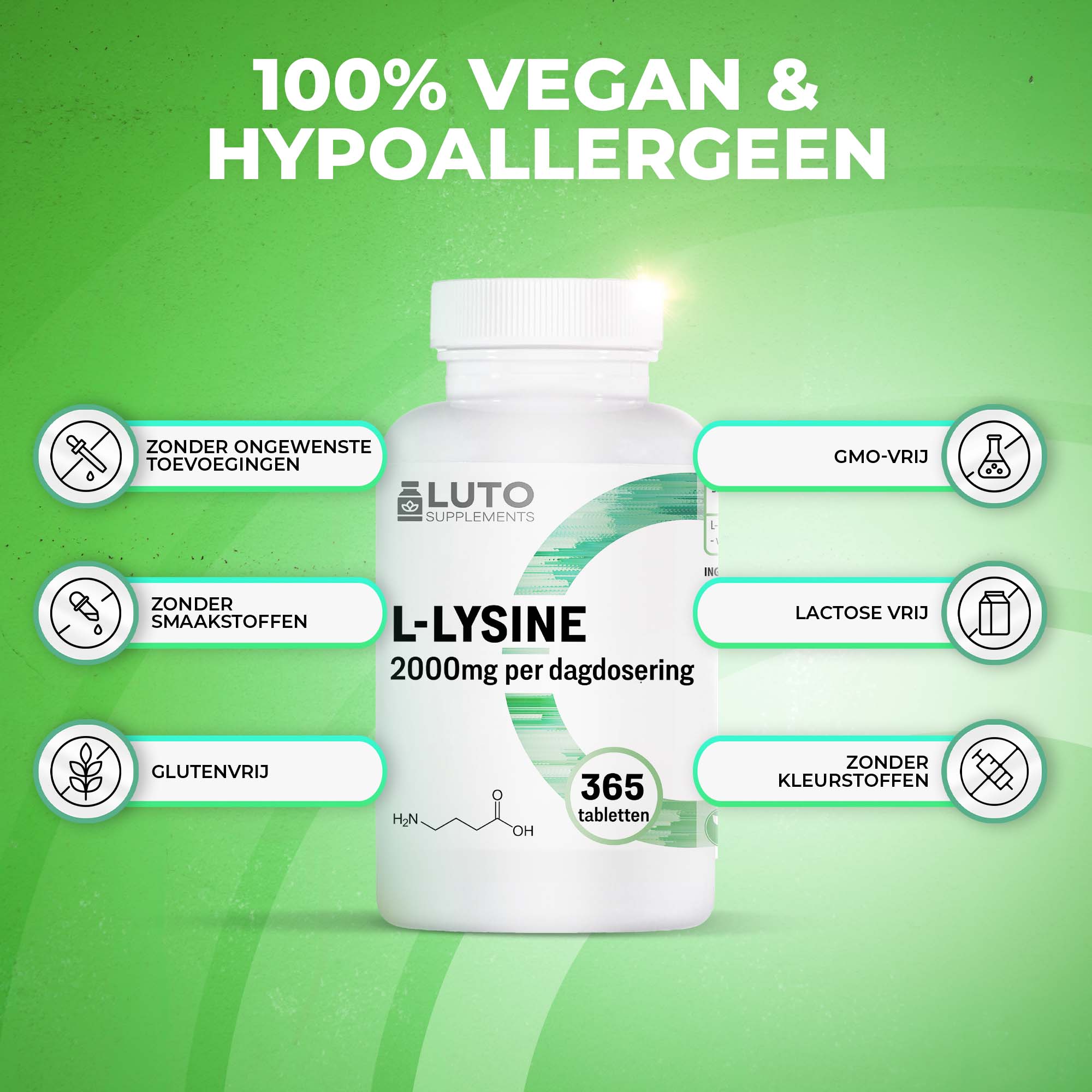
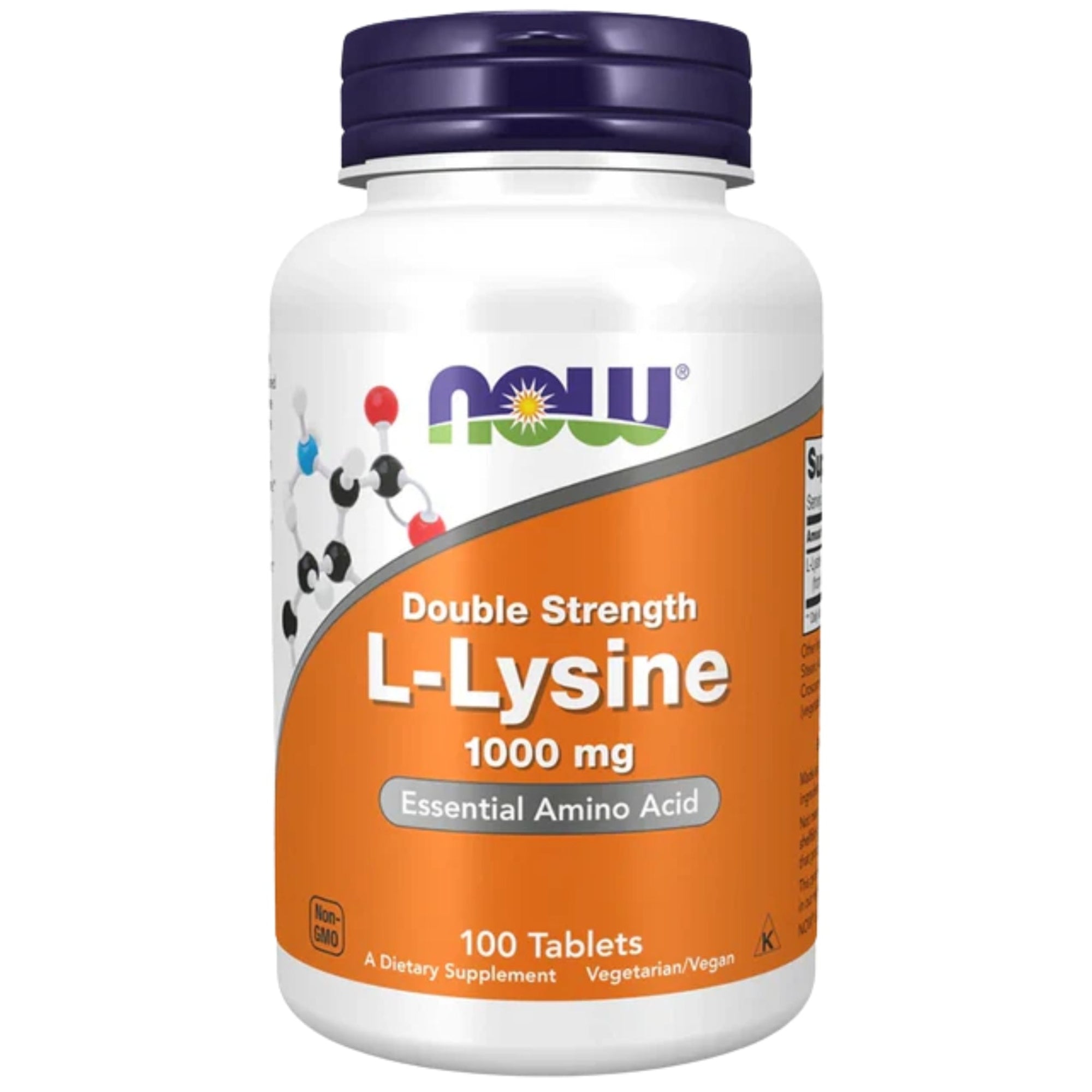
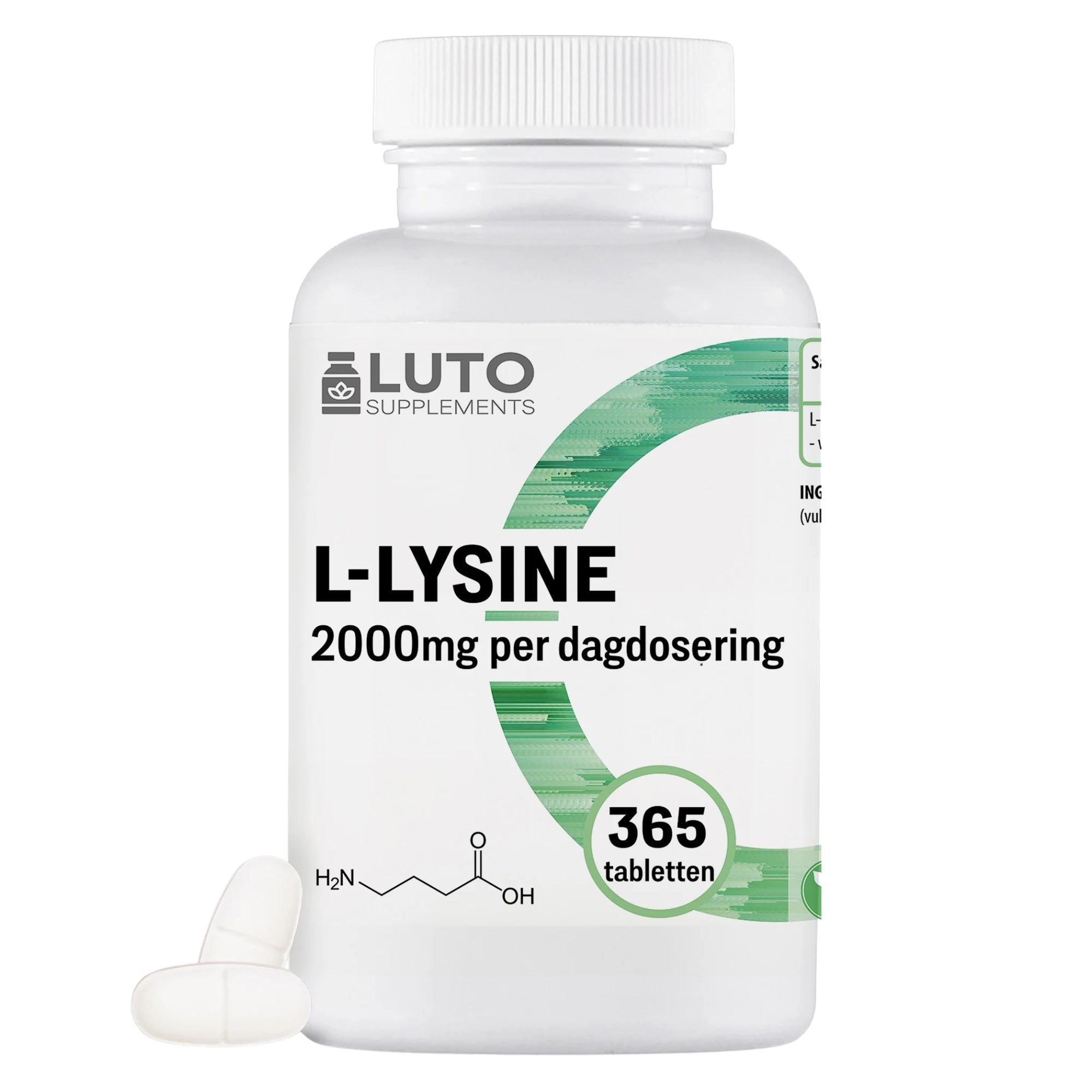
At LUTO Supplements, you will find L-lysine in several varieties: L-lysine 1000 mg tablets with 160 or 365 pieces and L-lysine with vitamin B6 as a 500 g powder from Vit4ever, L-lysine 1000 mg with 100 tablets from NOW Foods, and L-lysine 2000 mg with 365 tablets from LUTO Supplements. On this page, you will learn what lysine is as an amino acid, which foods contain it, how hydrochloride and free lysine differ, and how to compare tablets and powder.

What makes an amino acid essential?

Of the twenty amino acids in human protein, your body can produce eleven itself, but not nine. Lysine belongs to the latter group, along with leucine, isoleucine, valine, methionine, phenylalanine, threonine, tryptophan, and histidine. If the intake of any of these nine remains low over a prolonged period, it becomes the limiting factor for protein utilization. This is why nutritional science also evaluates protein sources based on how complete their amino acid profile is.

Which foods contain lysine?

Lysine-rich foods include meat, fish, eggs, cheese, and quark. On the plant-based side, legumes provide a lot of lysine, such as lentils, chickpeas, beans, and soy products like tofu and tempeh. In contrast, cereals and nuts contain little lysine, which is why lysine is the limiting amino acid in grain-based diets. The classic combination of cereals and legumes, such as bread with lentil spread or rice with beans, balances the profile throughout the day.

Why we describe L-lysine without health claims

No health claim for L-lysine is approved in the European Union. We therefore do not make statements about the immune system, skin, connective tissue, lips, or recovery, even in a qualified form. What we describe are verifiable product specifications: the compound used, the amount per daily serving, the additives, suitability for a vegan diet, and the package size. This allows you to compare products objectively.

L-lysine hydrochloride or free L-lysine?

Pure lysine attracts moisture and is difficult to process, which is why L-lysine hydrochloride, the salt with hydrochloric acid, is usually used for tablets and powder. About eighty percent of the salt weight consists of lysine itself. A good label states both figures, for example, 1250 mg of L-lysine hydrochloride, of which 1000 mg is L-lysine. When comparing prices, check whether the stated amount refers to the salt or to free lysine.

Tablets or powder?

Tablets are pre-dosed and convenient for on the go; 365 pieces are enough for one year if you take one tablet daily. Higher-dose varieties with 2000 mg per tablet reduce the number of units per day. Powder can be dosed flexibly and stirred into water or a shake, but it has a slightly sour taste. If you are already adding lysine to a drink, powder is usually the more affordable option per gram.

What does the combination with vitamin B6 mean?

Some products combine lysine with vitamin B6, such as the L-lysine with vitamin B6 powder from Vit4ever. The approved claims for such a product refer exclusively to the vitamin and not to the amino acid: vitamin B6 contributes to normal protein and glycogen metabolism and contributes to normal energy metabolism. You can see how much of it is contained by the percentage of the reference intake on the label.

Production, purity, and suitability for vegans

Amino acids for dietary supplements are now predominantly produced through fermentation with microorganisms on plant-based growth media and not from animal material. Lysine produced using this method is suitable for a vegetarian and vegan diet, provided that the excipients of the tablet or the capsule shell are also plant-based. Meaningful quality specifications include the percentage purity, the absence of unnecessary additives, and analyses for heavy metals. This information is available on the respective product page.

Intake and information

Many users take lysine between meals, but this is not mandatory. Stick to the recommended daily dose stated on the label and do not exceed it. Store the product in a dry, sealed container and out of reach of small children. Dietary supplements are not a substitute for a balanced and varied diet and a healthy lifestyle. If you have existing medical conditions, are pregnant or breastfeeding, or are taking medication, speak with a doctor before use.

Need more advice?

Feel free to send us a message. We're happy to help and will answer your questions as soon as possible.
Tobian

Tobian

Customer service