6 products
Filter op
Filter op
Actieprijs€12,90
€129,39  / kg
Actieprijs€30,90
€134,93  / kg
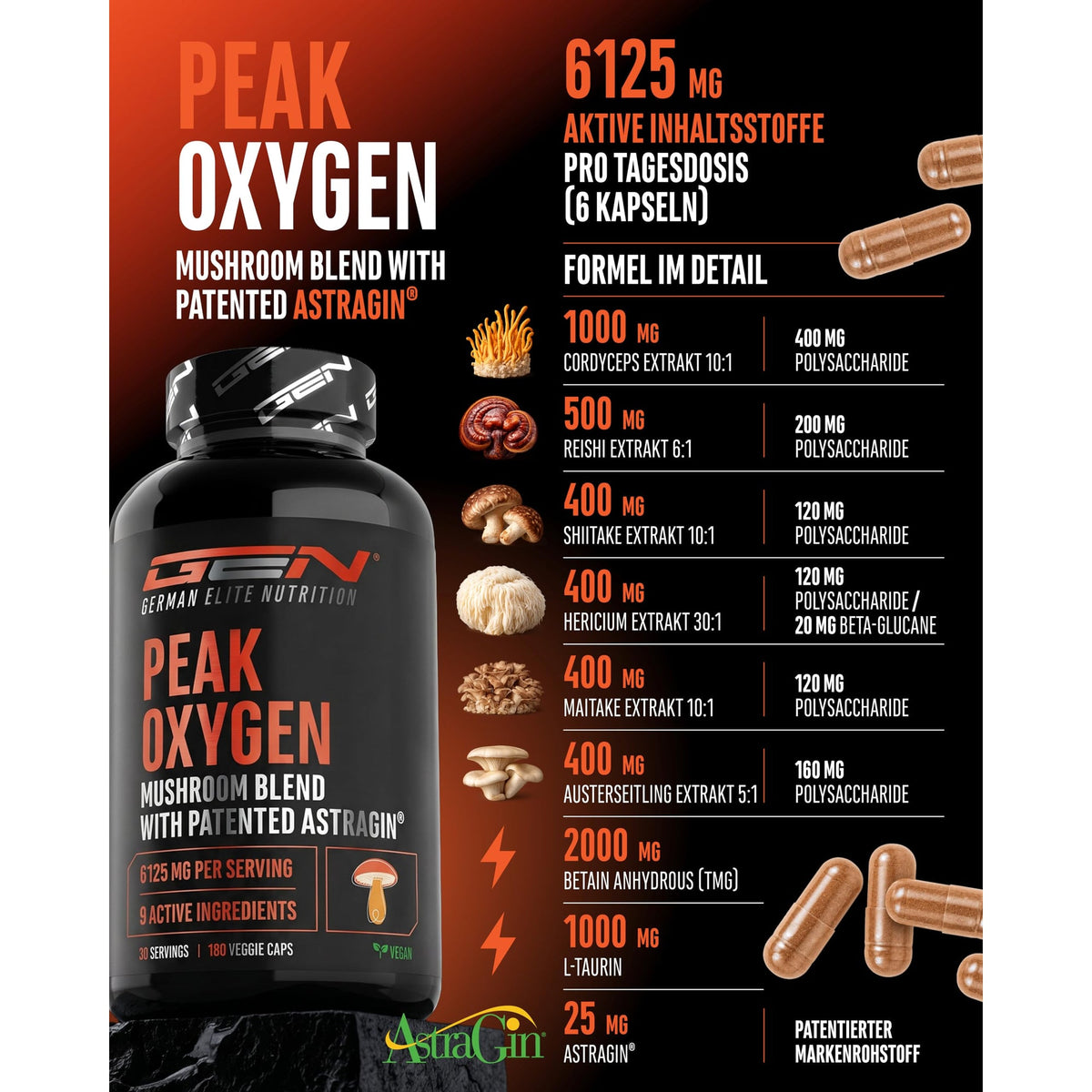
UitverkochtBetain HCI NOW

Buy Betaine: TMG (Trimethylglycine) and Betaine HCl

Betaine is a naturally occurring substance derived from the amino acid glycine and owes its name to the sugar beet (Beta vulgaris), where it was first discovered. Betaine contributes to normal homocysteine metabolism; this positive effect is achieved with a daily intake of 1.5 grams of betaine. In our range, you will find betaine in two forms: as TMG (trimethylglycine) powder and as betaine HCl in capsules.

What is betaine?

Betaine, also known as trimethylglycine (TMG), is a compound made from the amino acid glycine with three methyl groups. It occurs naturally in the body and in various foods. In the body, betaine plays a role as a so-called methyl donor, where it is involved in the conversion of homocysteine. According to the approved health claim, betaine contributes to normal homocysteine metabolism with a daily intake of 1.5 grams. For supplements, betaine is produced as TMG or as betaine HCl. The label states how much betaine a product provides per serving.

Betaine and homocysteine metabolism

The approved function of betaine is related to its role as a methyl donor. Betaine contributes to normal homocysteine metabolism, a substance that is produced in the body. This positive effect is achieved with a daily intake of 1.5 grams of betaine. An important point here is the statutory warning: An intake of more than 4 grams of betaine per day can increase blood cholesterol levels. Therefore, stay within the recommended amount and do not exceed 4 grams per day. This information is part of the responsible use of betaine and is also stated on the packaging.

TMG (trimethylglycine) and betaine HCl: what is the difference?

Betaine is available in two forms that differ in composition and application. TMG (trimethylglycine) is the "pure" form of betaine and is often offered as a powder; this is the form associated with the homocysteine claim and is also popular in sports nutrition. Betaine HCl is betaine bound to hydrochloric acid (hydrochloride) and is used in a completely different context: as a source of stomach acid, often in combination with the digestive enzyme pepsin. It is therefore important to know which form you are looking for: TMG for the homocysteine function or general use, or betaine HCl for specific applications related to digestion.

What foods contain betaine?

Betaine occurs naturally in various foods. The richest sources are sugar beets (and beets), wheat bran and other whole grains, quinoa and spinach. The name betaine refers directly to the beet in which the substance was discovered. People consume betaine through a varied diet with whole grains and beets, but the amount varies. For anyone who wants to specifically supplement their intake, for example up to the 1.5 grams per day mentioned in the claim, a TMG supplement is a practical option. The label of a supplement states the amount of betaine per serving. You can read more about the origin of betaine in our blog post Where does betaine come from? From plant to supplement.

How much betaine per day?

For the approved function, a daily intake of 1.5 grams of betaine (as TMG) is required. Keep in mind the statutory upper limit: Do not consume more than 4 grams of betaine per day, as a higher intake can increase blood cholesterol levels. The dosage for each product is stated on the packaging; with powder, you can measure out the desired amount with a scoop. Betaine HCl is used in a different, much lower dosage and in a different context; therefore, follow the specific directions for use. Always follow the instructions on the packaging and, if in doubt or taking medication, consult a doctor or therapist.

Buying betaine: what to look for?

When choosing a betaine supplement, the most important question is which form you need. Choose TMG (trimethylglycine), usually as a powder, for the homocysteine function or for use in sports nutrition; then pay attention to the amount per serving in relation to the 1.5 grams per day. Choose betaine HCl (capsules) only if you are specifically looking for this form for digestion, often with pepsin. Also pay attention to purity and the price per serving. Betaine (TMG) is related to amino acids; for related products, also check out our collection Amino Acids.

Need more advice?

Feel free to send us a message. We're happy to help and will answer your questions as soon as possible.
Tobian

Tobian

Customer service