
Sort by
Sort by
Sale priceFrom €18,90
€8,19  / serving
Sale priceFrom €7,90
€74,84  / kg
Sale price€8,90
€97,69  / kg
Sale priceFrom €9,90
€154,02  / kg
Sale price€11,90
€1.190,00  / l
New
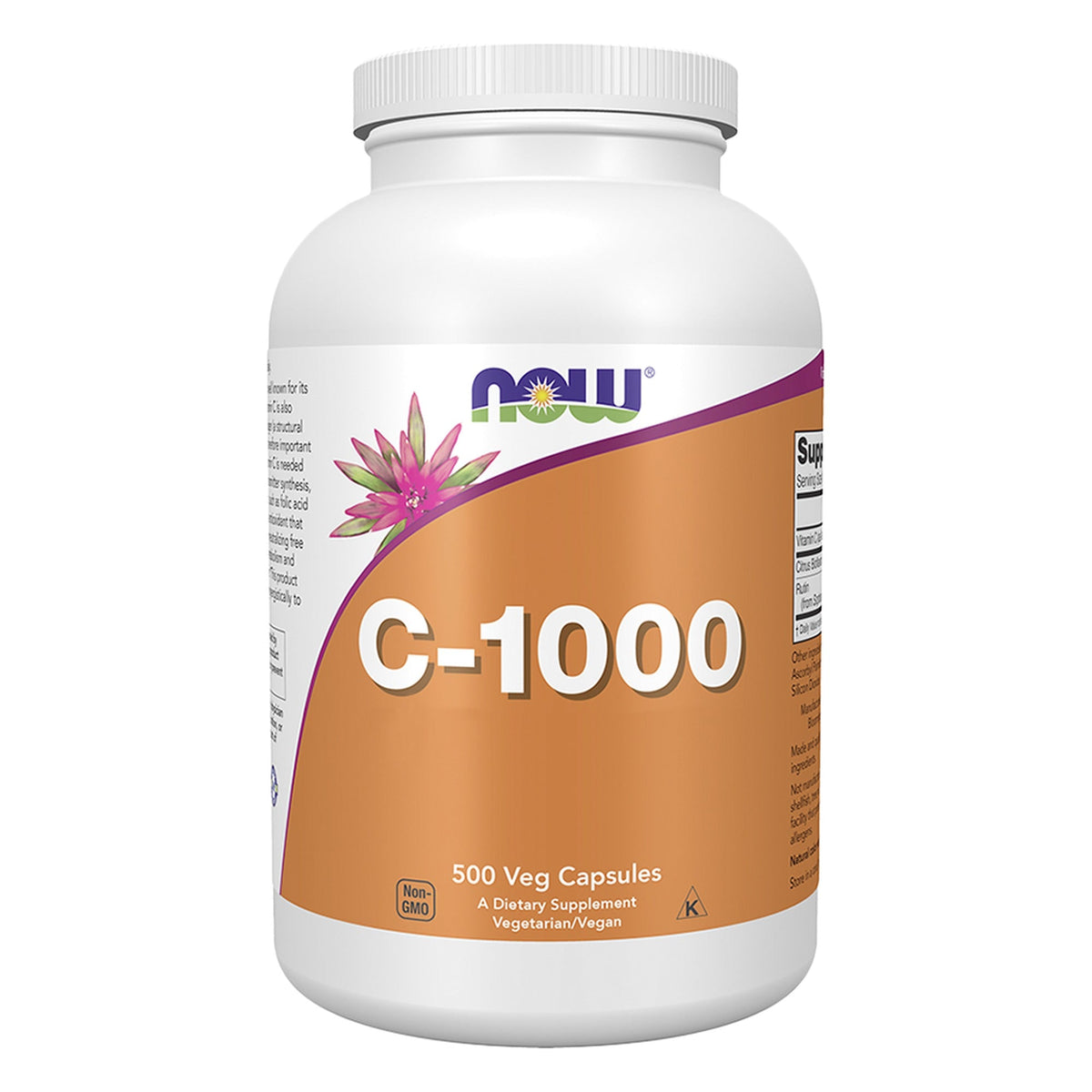
Glas NOW Foods Vitamin C-1000 mit Bioflavonoiden Kapseln, 100 Kapseln #Inhalt_100 Kapseln Glas NOW Foods Vitamin C-1000 mit Bioflavonoiden Kapseln, 500 Kapseln #Inhalt_500 Kapseln
Sale priceFrom €14,90
Sale price€11,90
€105,03  / kg
Sale price€24,90
€83,00  / kg
Buy Immune Support & Immune System Supplements: Vitamin C, D3, Zinc and Herbs

Your immune system works all year round, but many people seek additional support through their diet and supplements, especially in autumn and winter. A number of vitamins and minerals have approved health claims in this area: vitamin C, vitamin D, zinc, selenium and copper each contribute to the normal function of the immune system. Vitamin C also contributes to the reduction of tiredness and fatigue and to the maintenance of the normal function of the immune system during and after intense physical exercise.

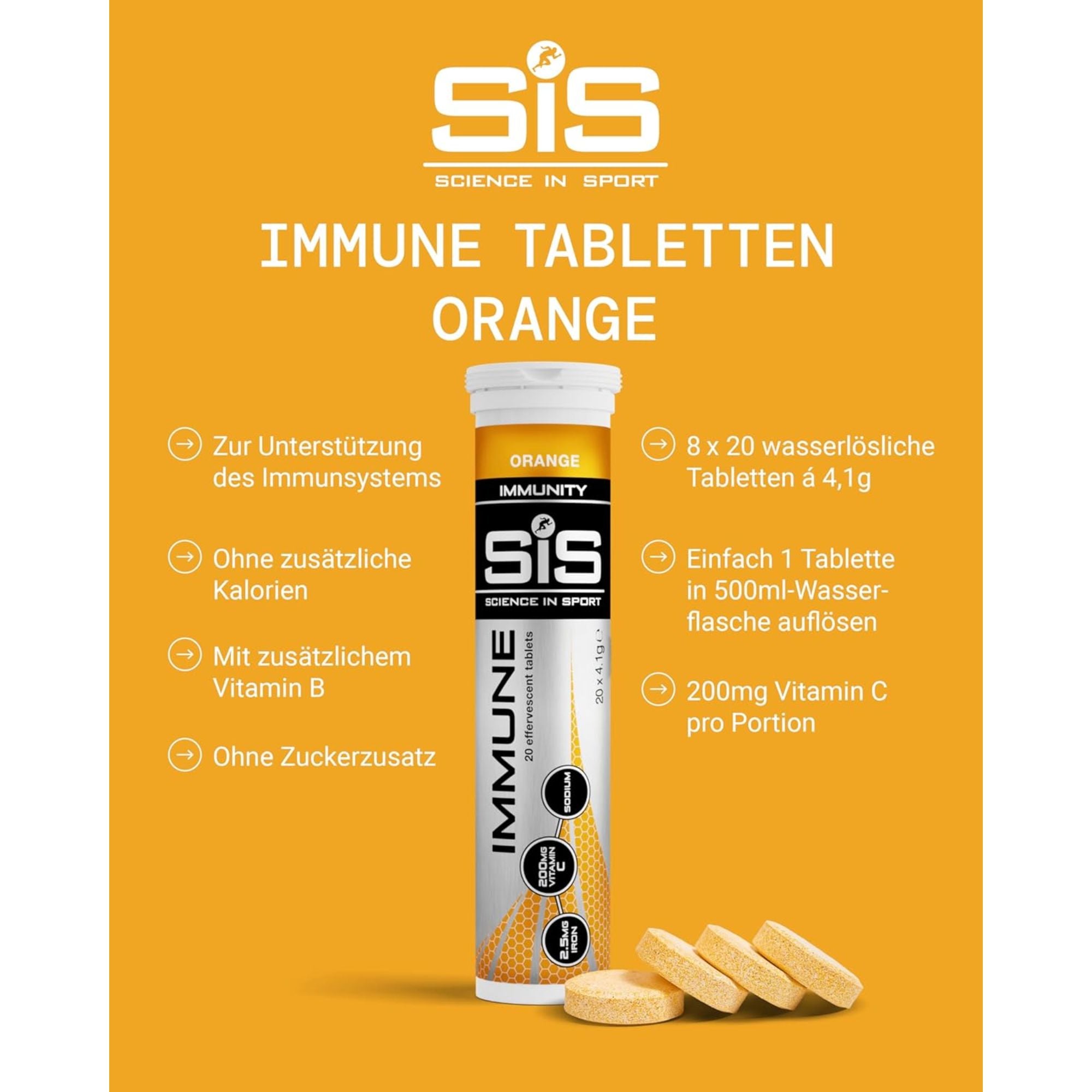
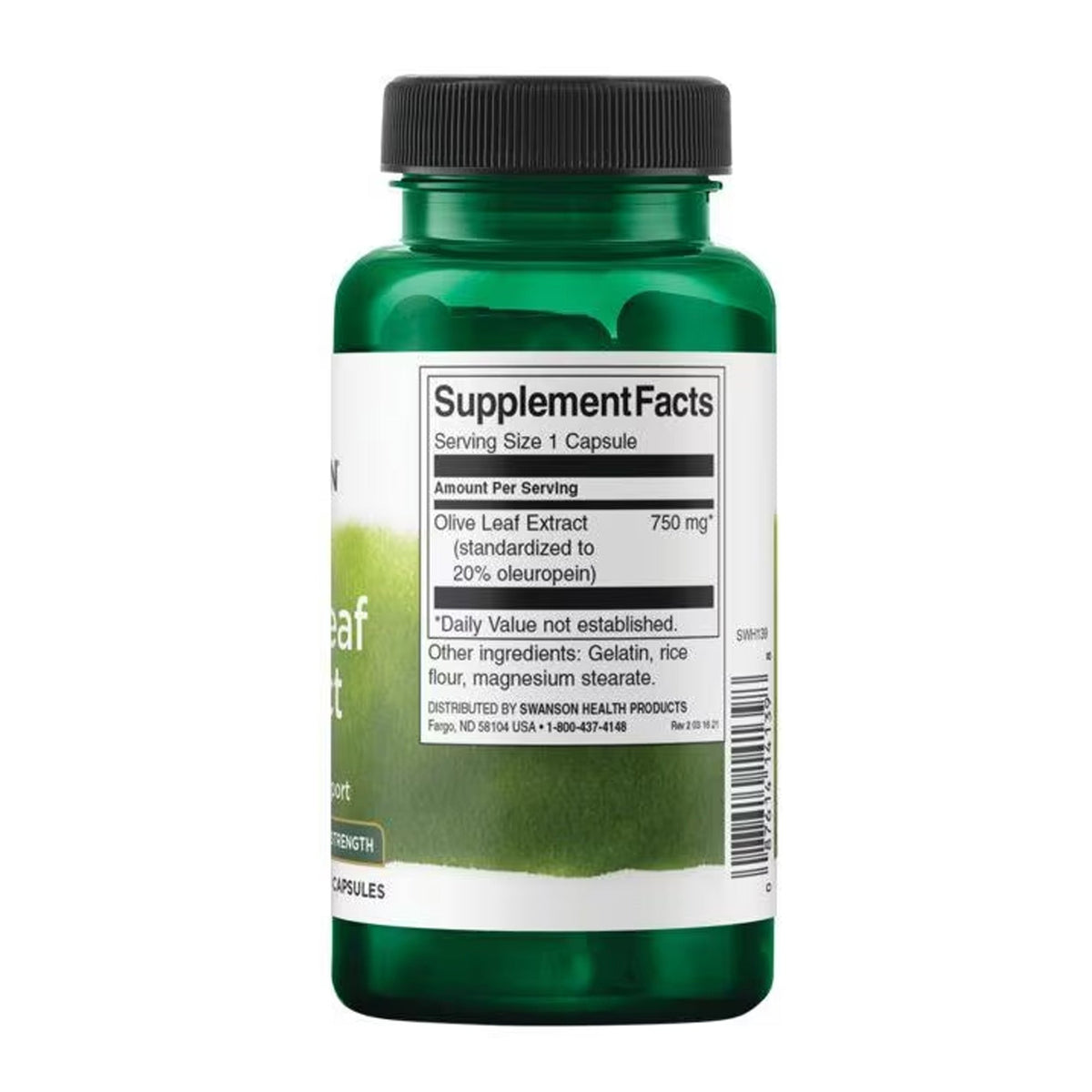
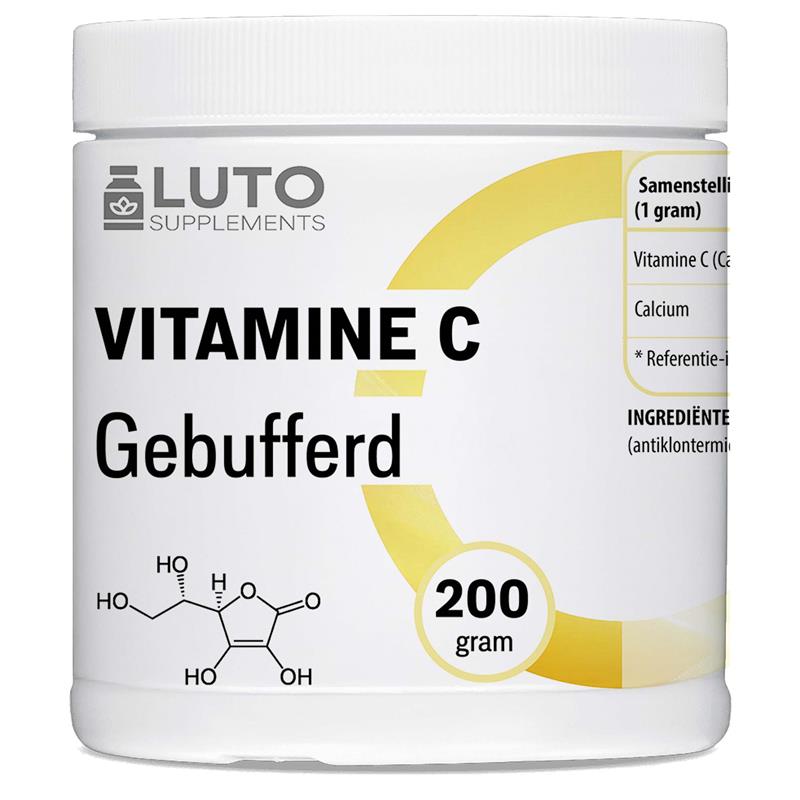
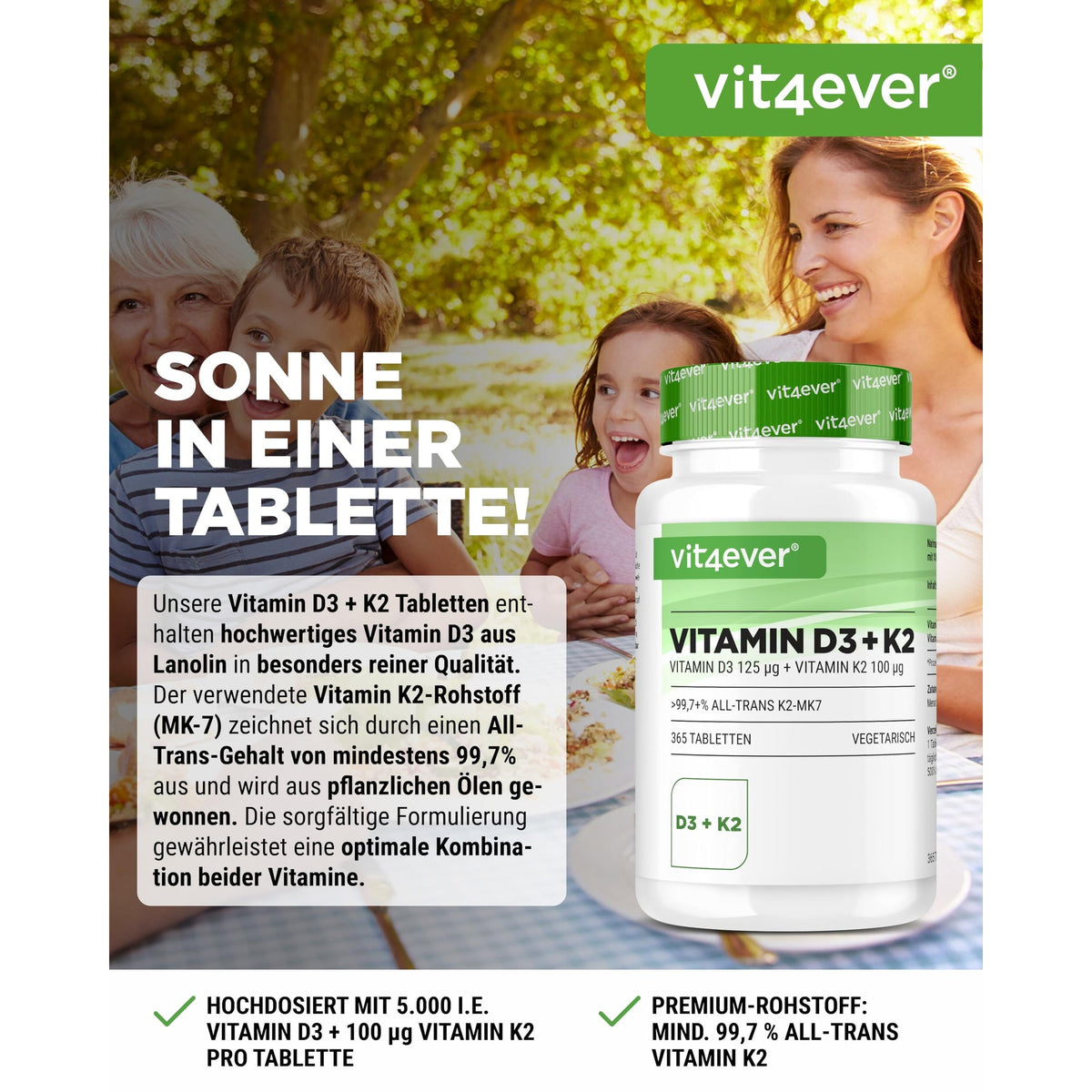
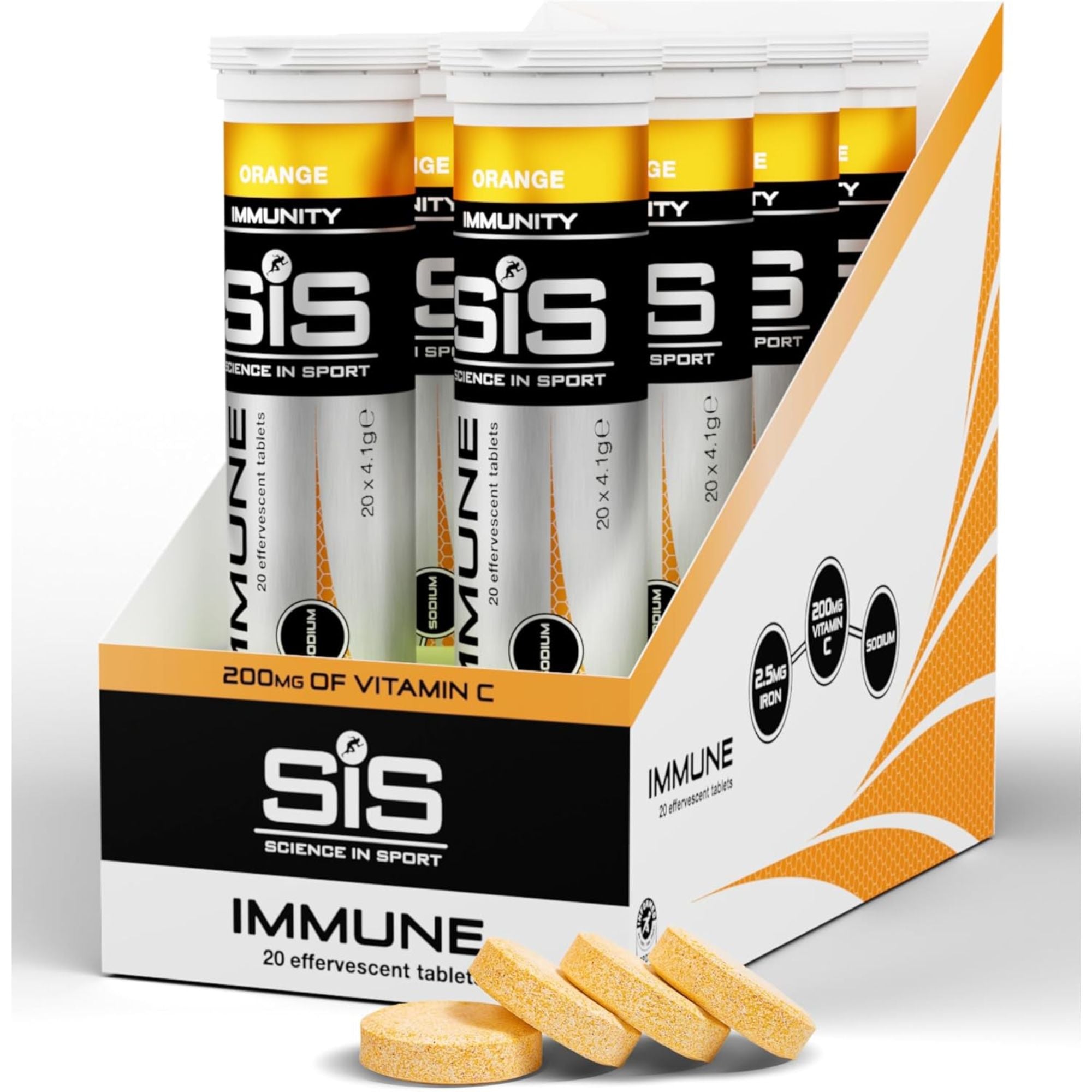
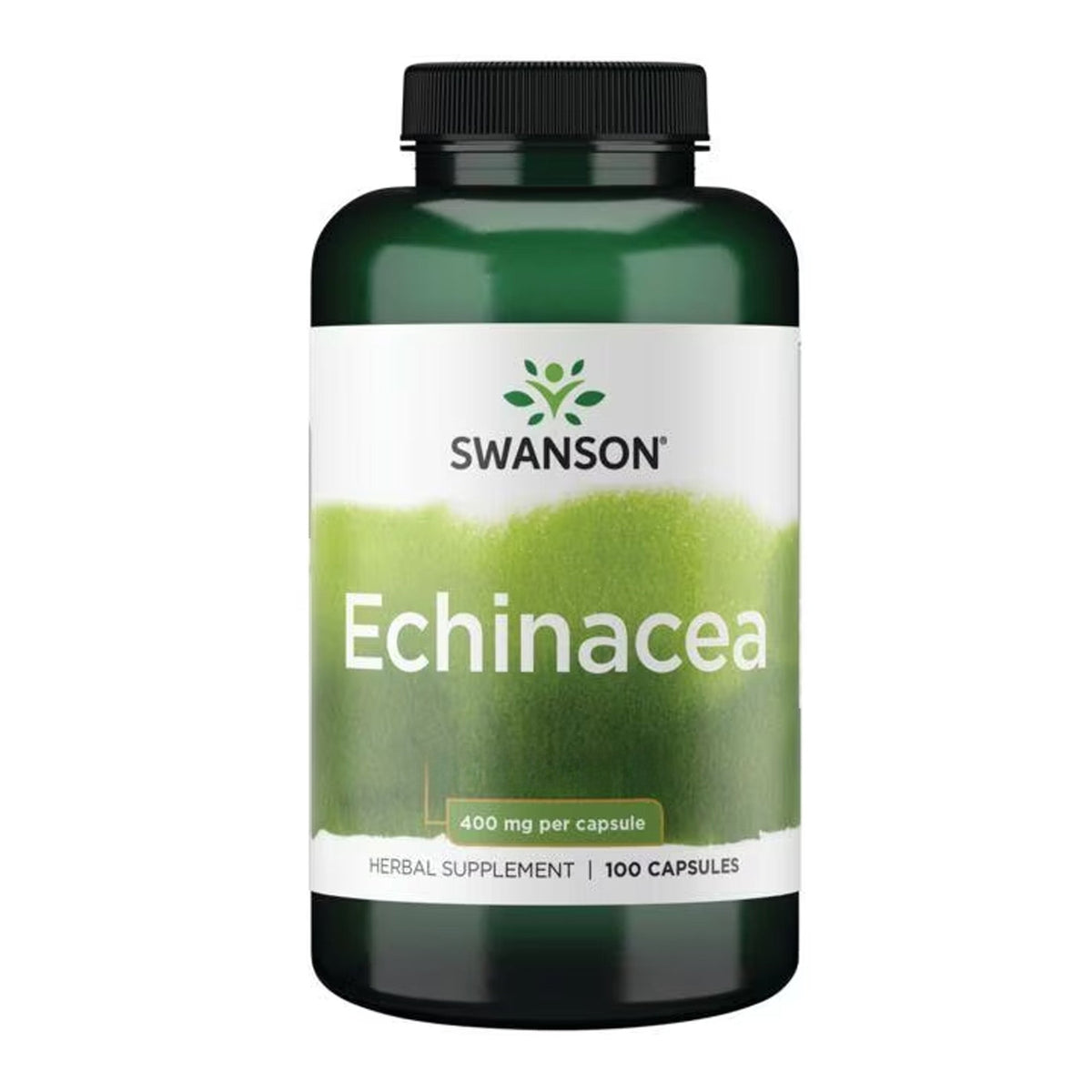
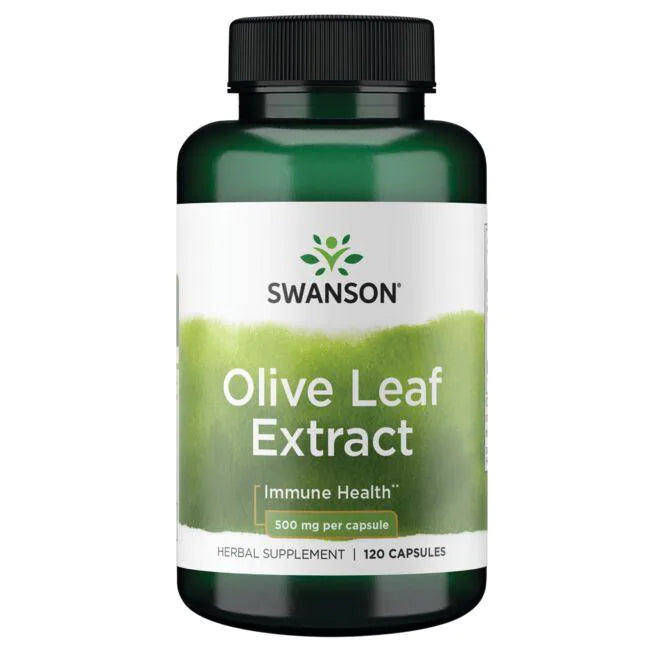
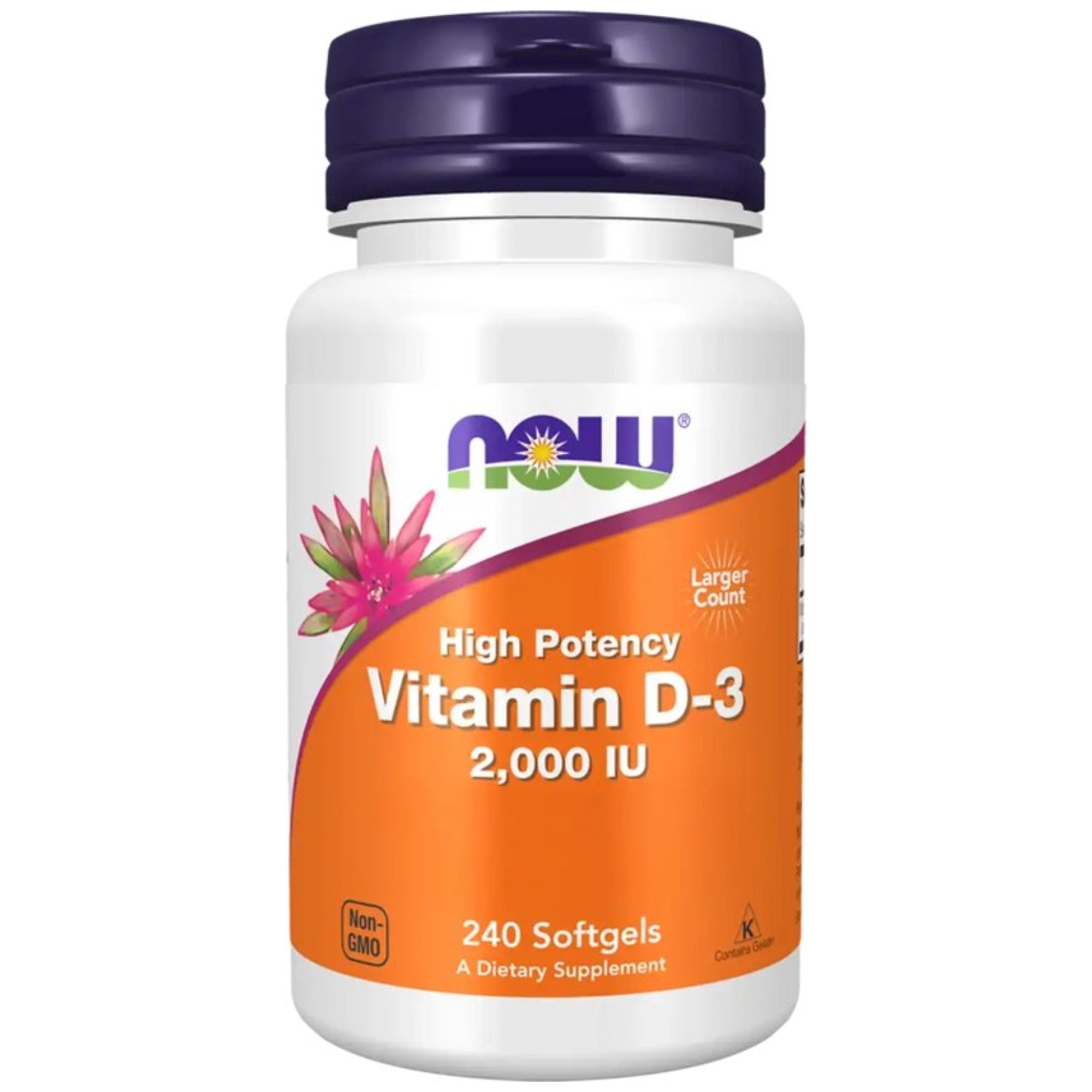
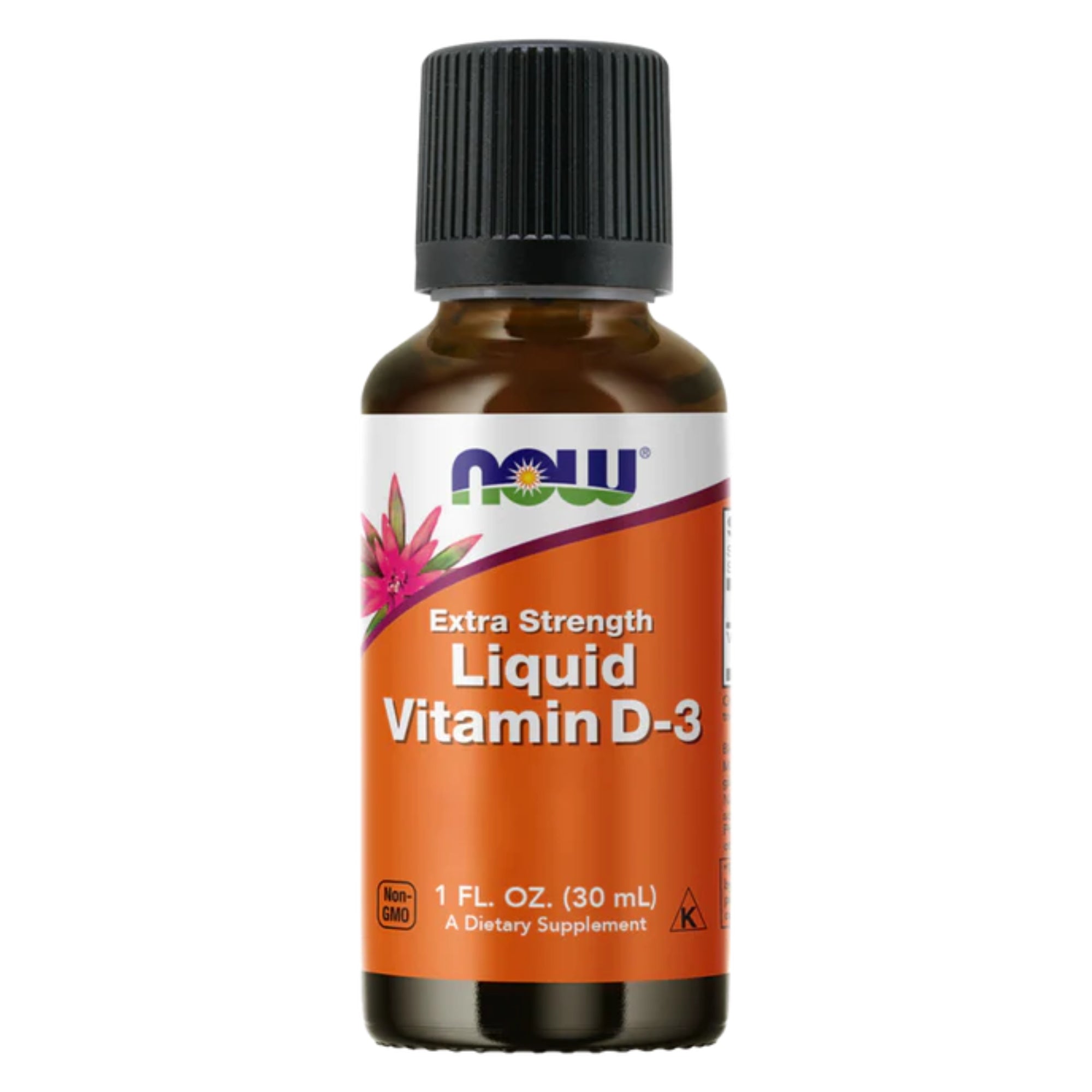
In this collection you will find both individual ingredients and complete formulas. Think of LUTO Immunity Gummies with vitamin C, echinacea, elderberry and propolis, Vit4ever's immune complex with echinacea and zinc, German Elite Nutrition's Immunity Essentials, Swanson and Vit4ever's echinacea, olive leaf extract, propolis, OPC grape seed extract (individually or with vitamin C), buffered vitamin C, Now Foods' vitamin D3 with K2 and SiS Go Immune effervescent tablets for athletes. This allows you to choose between capsules, tablets, effervescent tablets, gummies and drops.

What are immune support and immune system supplements?

This category includes supplements with ingredients that are often chosen around the colder months. These include micronutrients such as vitamin C, vitamin D and zinc, which have approved claims regarding the normal function of the immune system, as well as plant extracts and bee products such as echinacea, olive leaf, elderberry and propolis, which are known primarily for their traditional use. Some products contain a single ingredient, while others combine several ingredients in one formula.

Which vitamins and minerals contribute to the immune system?

The EFSA has assessed that a number of nutrients contribute to the normal function of the immune system: vitamin C, vitamin D, vitamin A, vitamin B6, folic acid, vitamin B12, zinc, selenium, copper and iron. Vitamin C, zinc, selenium and copper also help protect cells from oxidative stress. In this collection, you will find these nutrients individually (such as buffered vitamin C or vitamin D3) and as part of immune complexes.

How can you support your immune system?

You can support your immune system in various ways by establishing a healthy foundation: eating a varied diet, getting enough sleep, exercising regularly and taking time to relax. Certain nutrients play a role in your diet; vitamin C, vitamin D and zinc contribute to the normal function of the immune system. If you do not always get enough of them, for example in winter, you can supplement your daily intake with a supplement from this collection. A supplement is an addition to, not a replacement for, a varied, balanced diet and a healthy lifestyle.

What can you eat to support your immune system?

A varied diet provides many of the nutrients that play a role in immune function. Vegetables and fruits such as peppers, citrus fruits, kiwi and berries are well-known sources of vitamin C, which contributes to the normal function of the immune system. You can also get zinc from nuts, seeds, whole grains, legumes and meat, while fatty fish and eggs naturally contain vitamin D. If you want to supplement your intake through your diet, this collection offers supplements containing these same nutrients.

Which supplement is right for which season?

The choice depends primarily on your situation and the time of year. In autumn and winter, when there is less daylight, many people choose vitamin D3 because skin synthesis is lower then; vitamin C and zinc remain popular year-round, especially during the colder months. Athletes often use effervescent tablets such as SiS Go Immune with vitamin C and minerals during intensive training periods. In spring and summer, you can choose a maintenance dose or individual nutrients if needed. Always follow the recommended daily dose on the packaging for every product.

Echinacea, olive leaf, elderberry and propolis: traditional ingredients

In addition to vitamins and minerals, this collection includes several plant-based classics. Echinacea purpurea (purple coneflower) is a plant from North America that has been used as a herbal extract for generations. Olive leaf extract comes from the leaves of the olive tree and is standardised to oleuropein. Elderberry is a dark purple berry that is widely processed into syrups and gummies, while propolis is a resinous natural product collected by bees. There are currently no approved health claims for these ingredients; therefore, we describe them without making any efficacy claims. When choosing, pay attention to the extract ratio, standardisation and dosage per daily serving.

What is OPC grape seed extract?

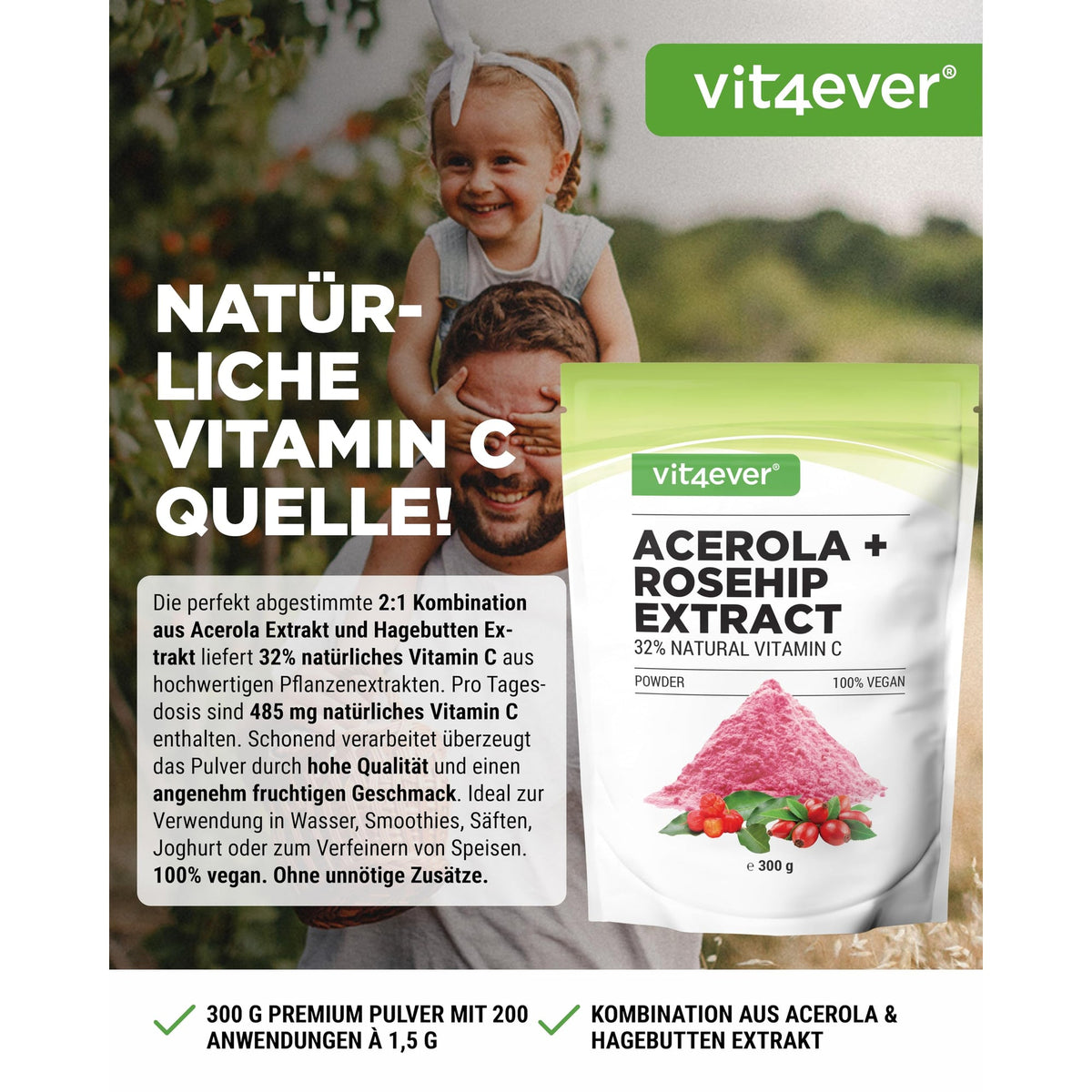
OPC stands for oligomeric proanthocyanidins, plant compounds found in grape seeds. In this collection, you will find OPC as a standalone extract and combined with natural vitamin C from acerola. In this combination, it is stated that vitamin C contributes to normal collagen formation for the normal function of, among other things, the skin, blood vessels and gums. There are no approved claims for OPC itself; when purchasing, pay particular attention to the OPC content per capsule.

Capsules, tablets, effervescent tablets, gummies or drops?

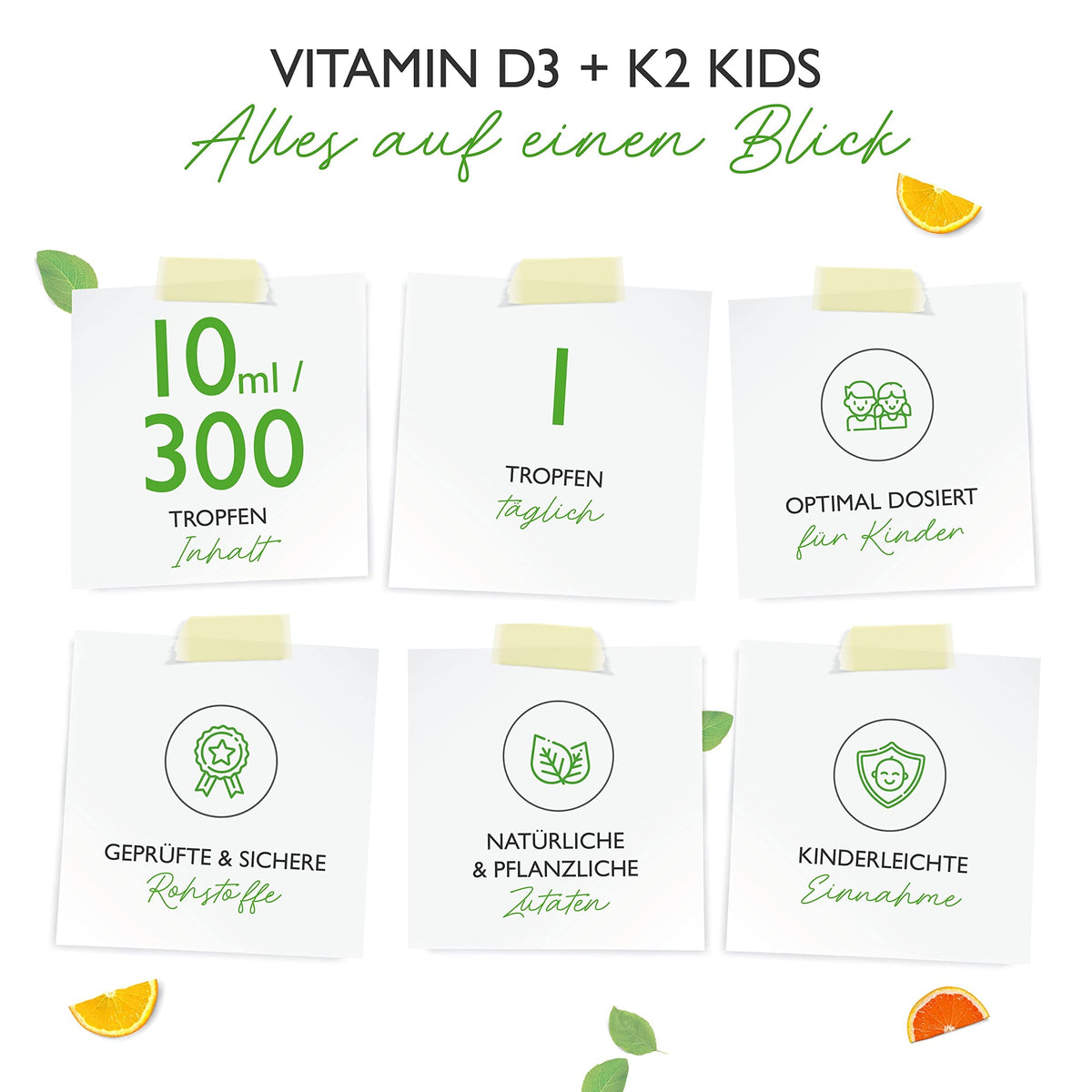
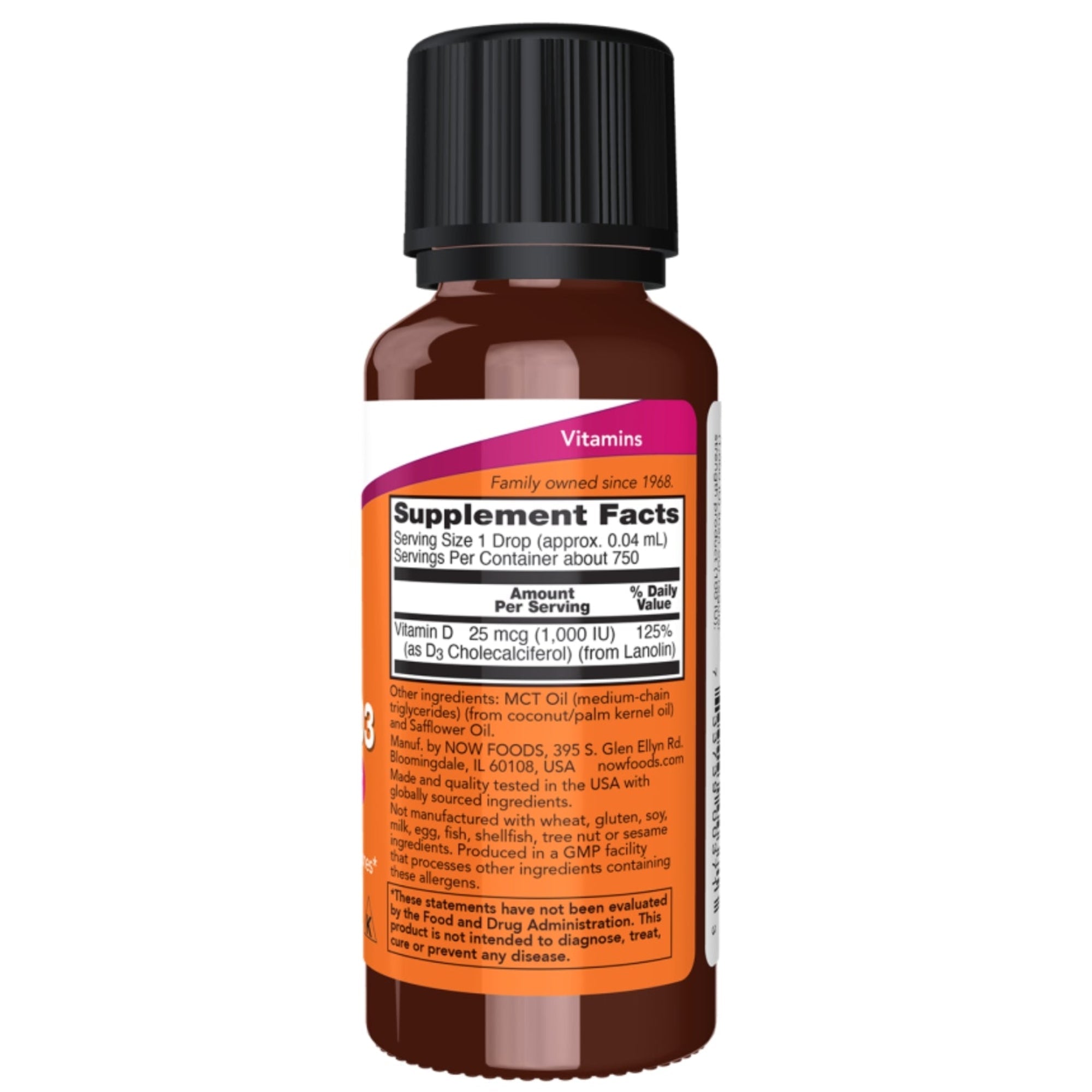
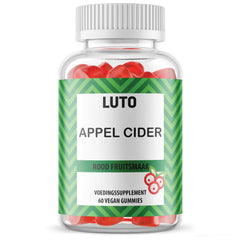
The choice of format is primarily a matter of convenience. Capsules and tablets are compact and easy to dose. Effervescent tablets such as SiS Go Immune dissolve in water and combine vitamin C with minerals, making them convenient after exercise. Gummies are a tasty alternative if you do not like swallowing pills, such as LUTO Immunity Gummies in red fruit flavour. Drops, such as vitamin D3 with K2 for children, are easy to dose and suitable for anyone who has difficulty swallowing.

Dosage: How much should you take per day?

Dosage varies considerably depending on the product and ingredient. For vitamin C, you will often see 500 to 1000 mg per day; vitamin D3 dosages are measured in micrograms or IU; and the daily dose of herbal extracts depends on the extract strength. Combination products such as an immune complex usually have a daily serving of one or two capsules. Always follow the directions for use and the recommended daily dose on the packaging.

Who are these supplements suitable for?

This collection is for anyone who wants to supplement their daily intake of vitamins and minerals, for example during the winter months, at stressful times or around intensive training periods. Many products are vegan or vegetarian; propolis and some gummies are exceptions, so check the label. If you are taking medication, are pregnant or breastfeeding, speak to a doctor or pharmacist first. A supplement is not a replacement for a varied, balanced diet and a healthy lifestyle.

What should you look for when purchasing?

First, check the ingredient and the dosage per daily serving: Is the amount of vitamin C, D or zinc clearly stated on the label, and for herbal extracts, the extract ratio and standardisation? Then check the package size in relation to the daily dose so you know how long one container will last. Finally, look at the additives: Many products in this collection are free from gluten, lactose and unnecessary fillers, and there are plenty of vegan options.

Also check out our Vitamin C, Vitamin D3, Zinc and Selenium collections.

Need more advice?

Feel free to send us a message. We're happy to help and will answer your questions as soon as possible.
Tobian

Tobian

Customer service