

Sort by
Sort by
Sale priceFrom €22,90
Sale price€23,90
€538,29  / kg
Sale price€30,90
€25,75  / serving
Sale price€23,90
€13,28  / serving
Sold out
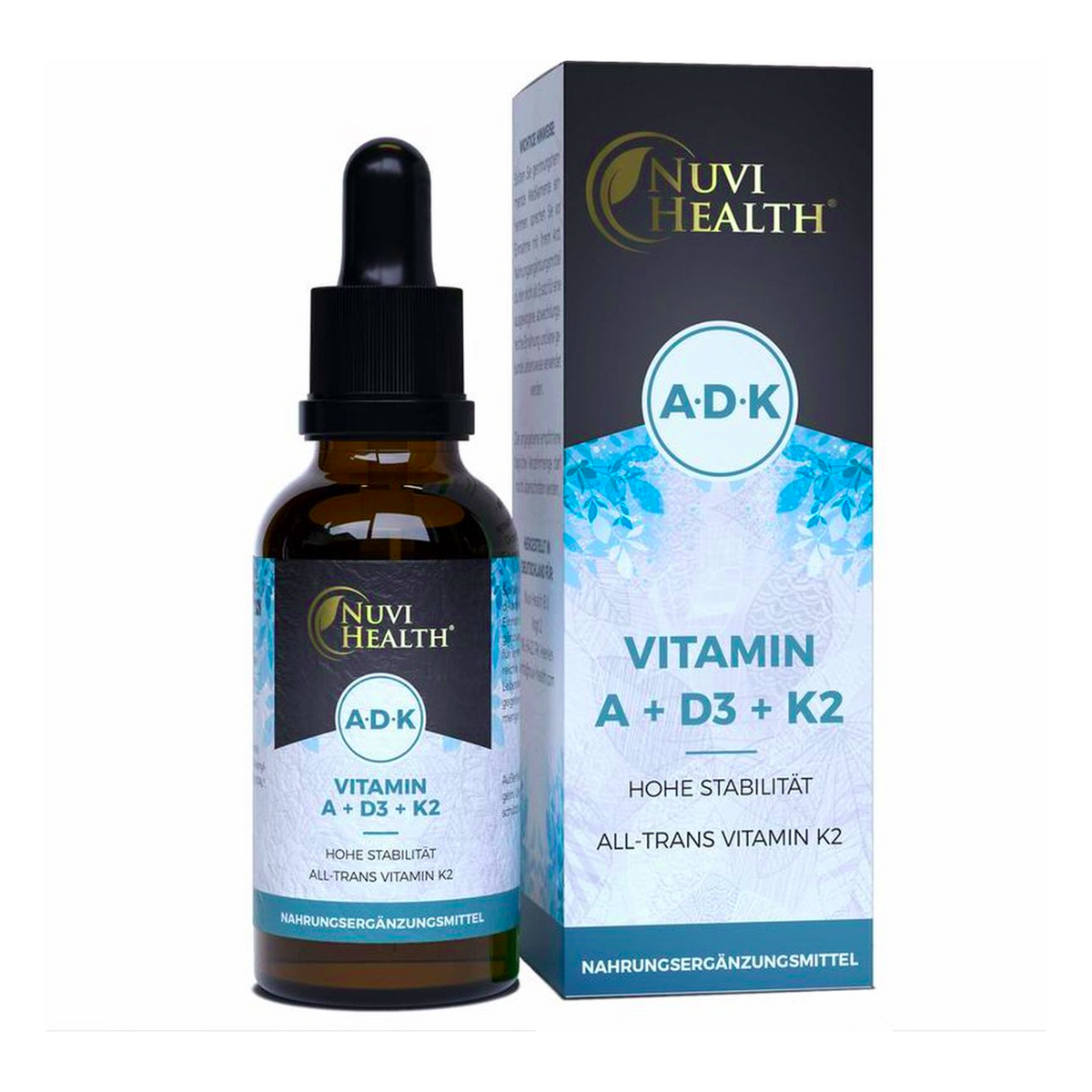
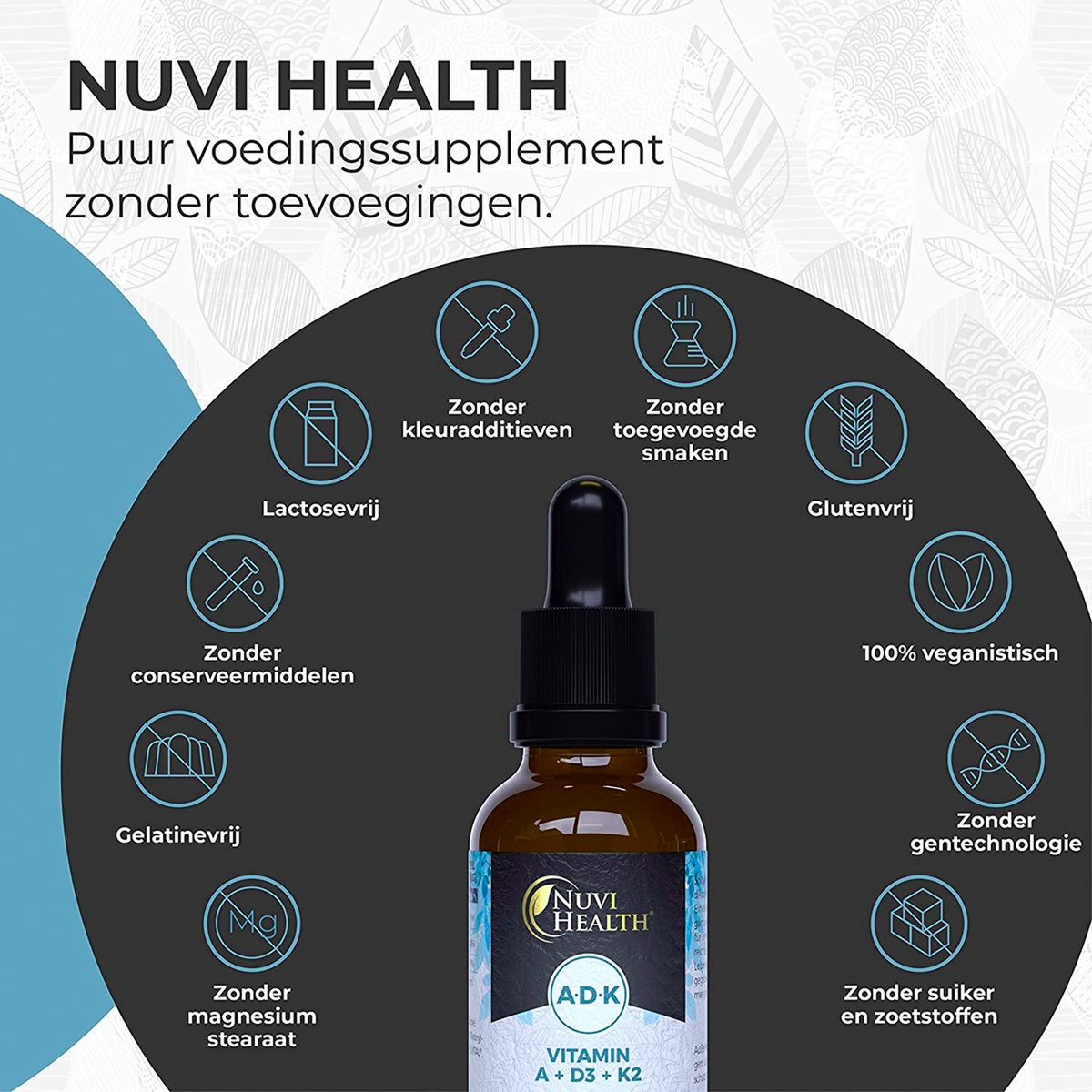
Nuvi Health Vitamin A 400 IE + D3 1000 IE + K2 20 mcg Tropfen 50 ML (XL Flasche) – Nahrungsergänzungsmittel | kaufen in Deutschland und Österreich Nuvi Health Vitamin A 400 IE + D3 1000 IE + K2 20 mcg Tropfen 50 ML (XL Flasche) – Produktverpackung Vorderseite
NewSold out
Lutein 25mg & Zeaxanthin 5mg | 60 Softgels | NOW Foods

Eye Health: Nutrients for the Eyes and Normal Vision

Screen work, prolonged reading, and many hours under artificial light are part of everyday life for most people. It is no wonder that the topic of eyes and vision raises many questions. In this collection, you will find dietary supplements that are often associated with eye health, including formulas with lutein and zeaxanthin, carotenoids such as astaxanthin, as well as micronutrients such as vitamin A, riboflavin (vitamin B2), and zinc.

From a compact eye complex capsule to astaxanthin softgels and combinations with zeaxanthin: Here we present products from various brands clearly side by side. This allows you to carefully compare which composition, form, and dosage suit your daily life. Below, we objectively explain which nutrients play a role and what to look for when purchasing.

Which nutrients are important for eye health?

When it comes to the eyes, several micronutrients and plant pigments (carotenoids) are particularly mentioned. The best-known micronutrients include vitamin A, riboflavin (vitamin B2), and zinc. Vitamin A, riboflavin, and zinc contribute to the maintenance of normal vision. Carotenoids such as lutein and zeaxanthin are also important; they occur naturally in green leafy vegetables and are components of many eye formulas.

What are lutein and zeaxanthin?

Lutein and zeaxanthin are two yellow-orange carotenoids belonging to the xanthophyll group. In food, they occur mainly in green vegetables such as kale and spinach, as well as in corn and egg yolks. In the body, they accumulate in the retina, more specifically in the so-called macula or yellow spot. Currently, no health claims are approved for lutein and zeaxanthin themselves, which is why we list them here purely descriptively as food components.

Which vitamins are important for vision?

When it comes to approved health claims, three nutrients are particularly relevant: vitamin A contributes to the maintenance of normal vision, as do riboflavin (vitamin B2) and the trace element zinc. Many eye products therefore combine these micronutrients with carotenoids such as lutein and zeaxanthin. When comparing, pay attention to which of these nutrients are included and in what amount they are supplied per daily serving.

What forms and products are available?

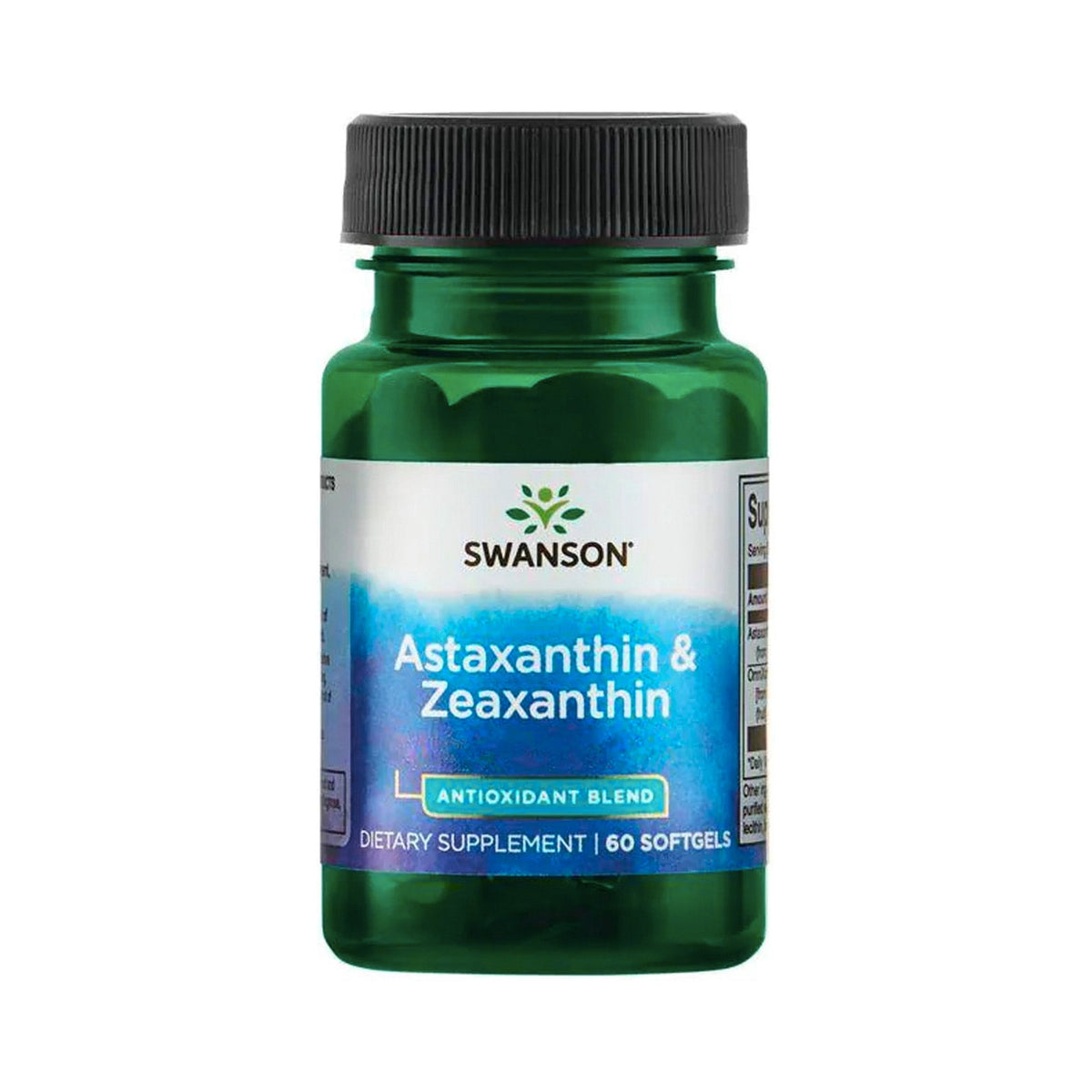
In this collection, you will find various dosage forms. Classic eye complexes combine lutein and zeaxanthin with vitamin A and vitamin B2 in a capsule. There are also softgels with astaxanthin or with astaxanthin and zeaxanthin, as well as drops and capsules that primarily provide vitamin A. Capsules and softgels are convenient for on the go, while drops can be precisely dosed.

Astaxanthin and other carotenoids

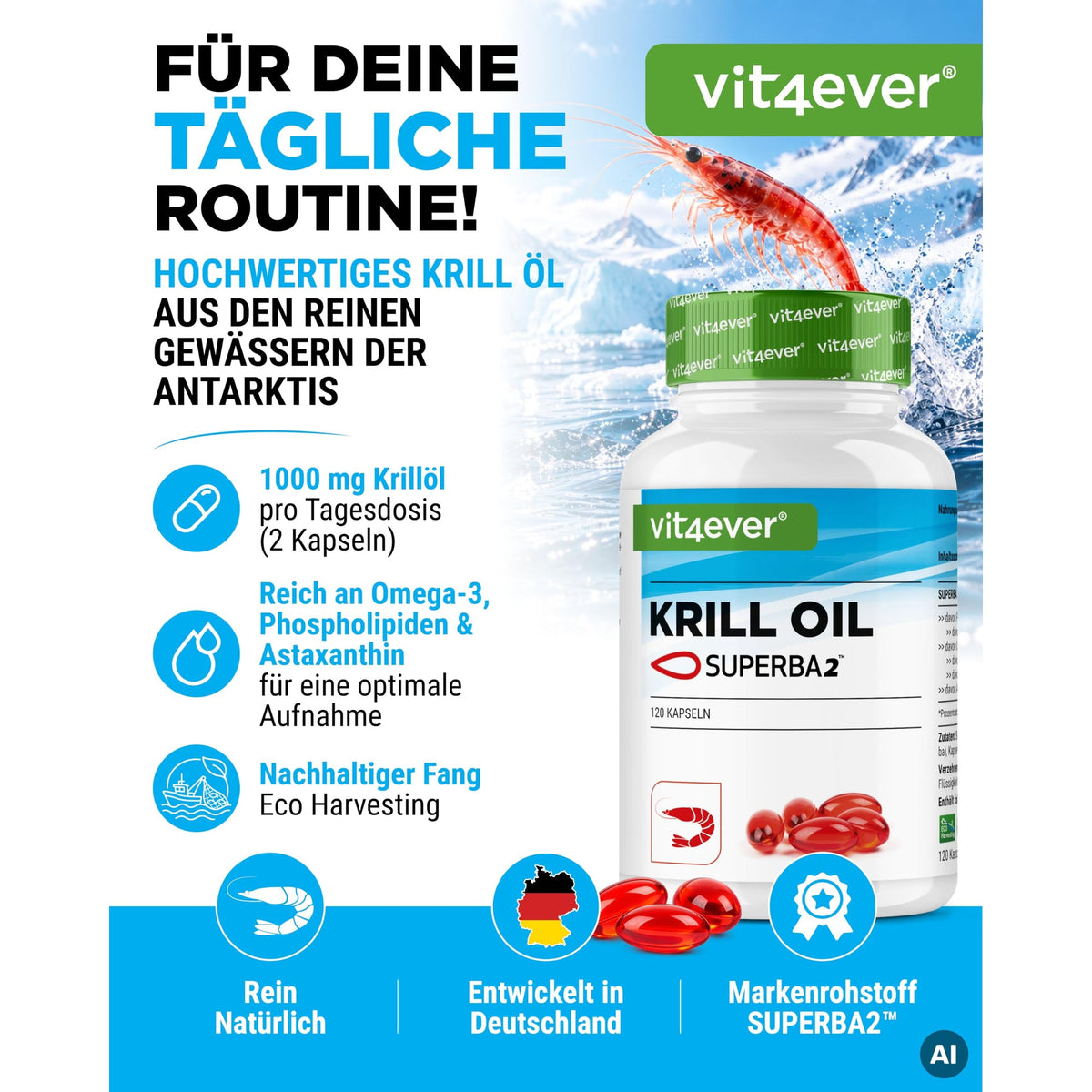
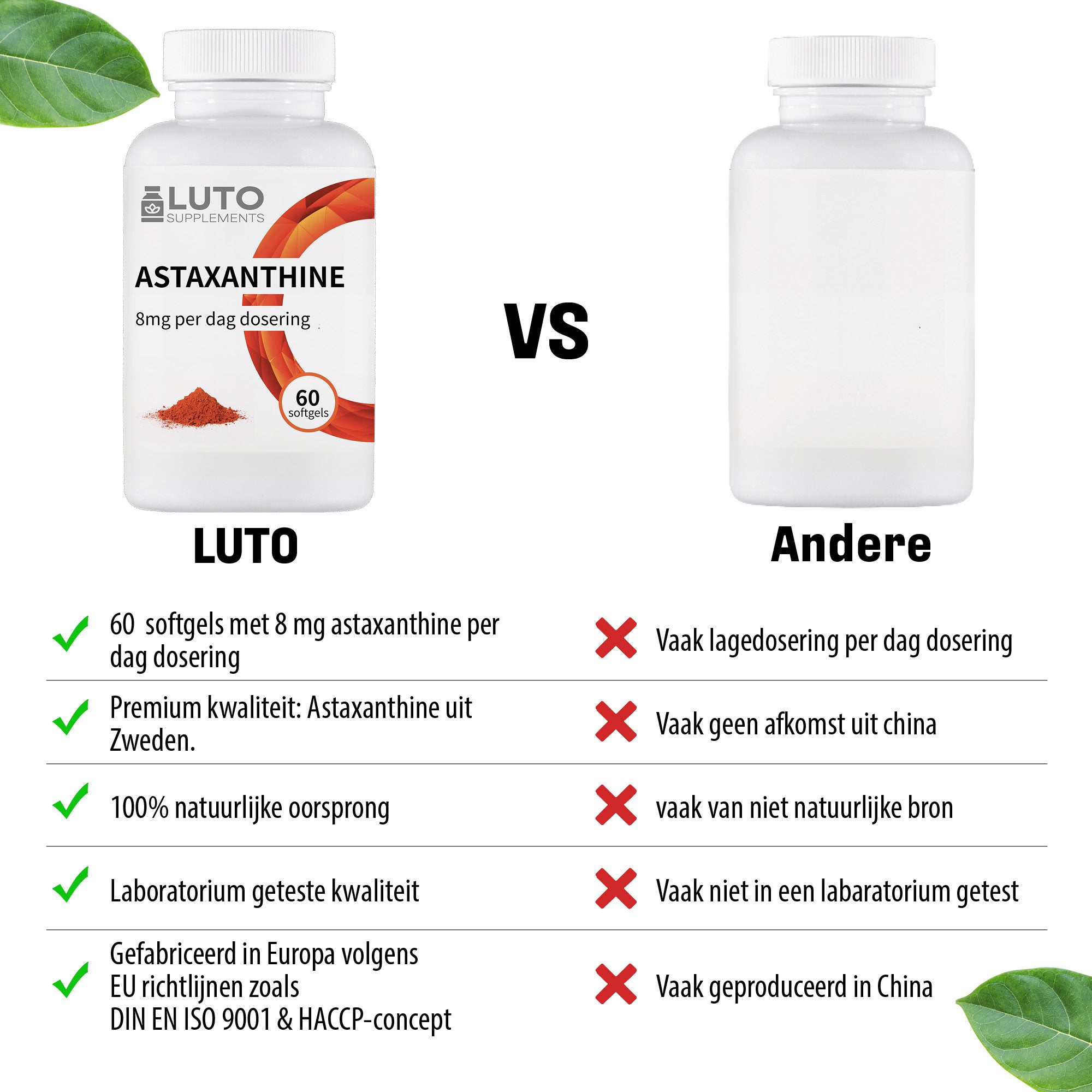
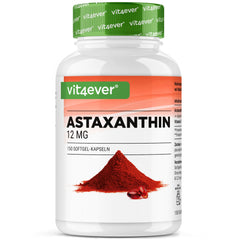
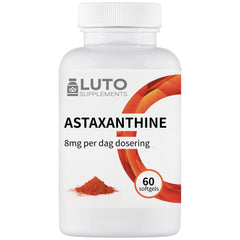
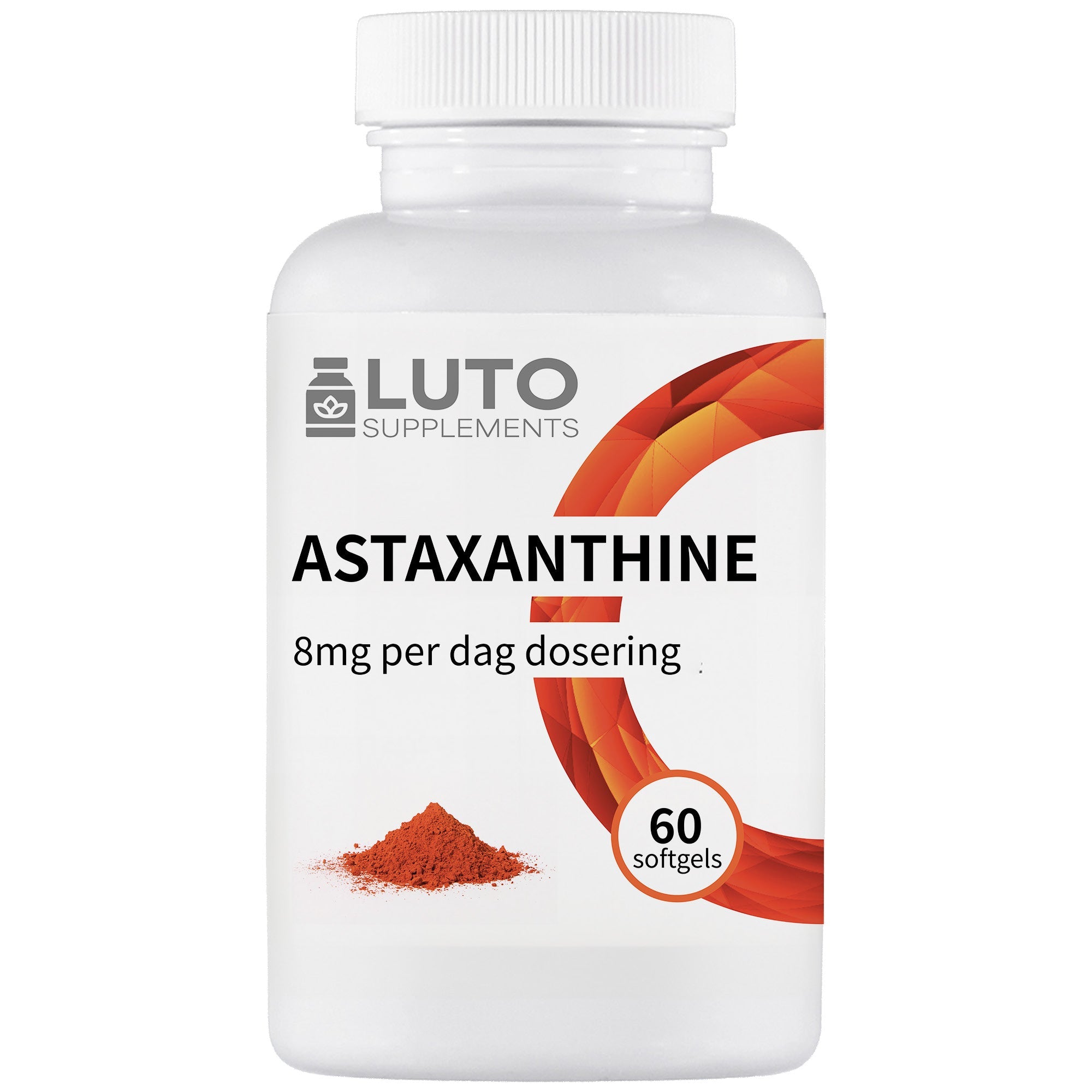
Astaxanthin is a deep red carotenoid that occurs naturally in the microalga Haematococcus pluvialis, as well as in salmon and krill. Like lutein and zeaxanthin, it belongs to the carotenoids but is considered separately. No health claims are approved for astaxanthin, so we describe it here exclusively as a natural plant pigment and a component of corresponding dietary supplements.

Daily dosage

The appropriate amount depends on the respective product and the nutrient it contains. Eye complexes are usually taken as one to two capsules per day, while astaxanthin softgels are often taken as one softgel daily. It is best to take fat-soluble nutrients such as vitamin A and carotenoids with a meal. Do not exceed the stated amount and always follow the recommended intake on the packaging.

Who might benefit from an eye supplement?

This often includes people who work a lot at a screen, read a lot, or want to specifically supplement their daily intake of carotenoids and micronutrients. A balanced diet with plenty of green vegetables remains the foundation. Dietary supplements are not a substitute for a varied diet and a healthy lifestyle. If you have existing eye problems, please consult a doctor.

What to look for when purchasing?

Compare which nutrients are included and in what amount per daily serving. Check whether lutein and zeaxanthin are combined with vitamin A, riboflavin, or zinc, and which form suits you best, such as a capsule, softgel, or drops. Also pay attention to the brand, package size, and whether the product is vegan or vegetarian, if that is important to you.

Discover related categories in our assortment: Vitamin A, Zinc, Astaxanthin, and Antioxidants.

Need more advice?

Feel free to send us a message. We're happy to help and will answer your questions as soon as possible.
Tobian

Tobian

Customer service