
Cholesterol
In der Kategorie Cholesterin findest du pflanzliche Nahrungsergänzungsmittel, die rund um dieses Thema aufgebaut sind, von Pflanzensterinen bis zu Berberin-Formeln mit standardisierten Extrakten. Wir beschreiben jeden Rohstoff sachlich und ordnen ihm nur dann eine Funktion zu, wenn ein zugelassener europäischer Claim besteht, wie bei Pflanzensterinen und Chrom. Rotschimmelreis und Botanicals ohne zugelassenen Text stellen wir rein beschreibend dar, ohne cholesterolbezogene Aussagen. So siehst du pro Formel genau, welche veganen Rohstoffe in welchen Mengen enthalten sind.



Buy Cholesterol: Plant-Based Formulas & Plant Sterols at LUTO
In the cholesterol category, we have compiled dietary supplements focused on cholesterol. The focus is on plant-based ingredients such as plant sterols, berberine, and standardized plant extracts, combined into clear formulas in a fixed daily dose. We describe each component objectively and only attribute a function to it if there is an approved European text for this purpose. This is currently not the case for red yeast rice and most plant extracts, which is why we present these substances purely descriptively.
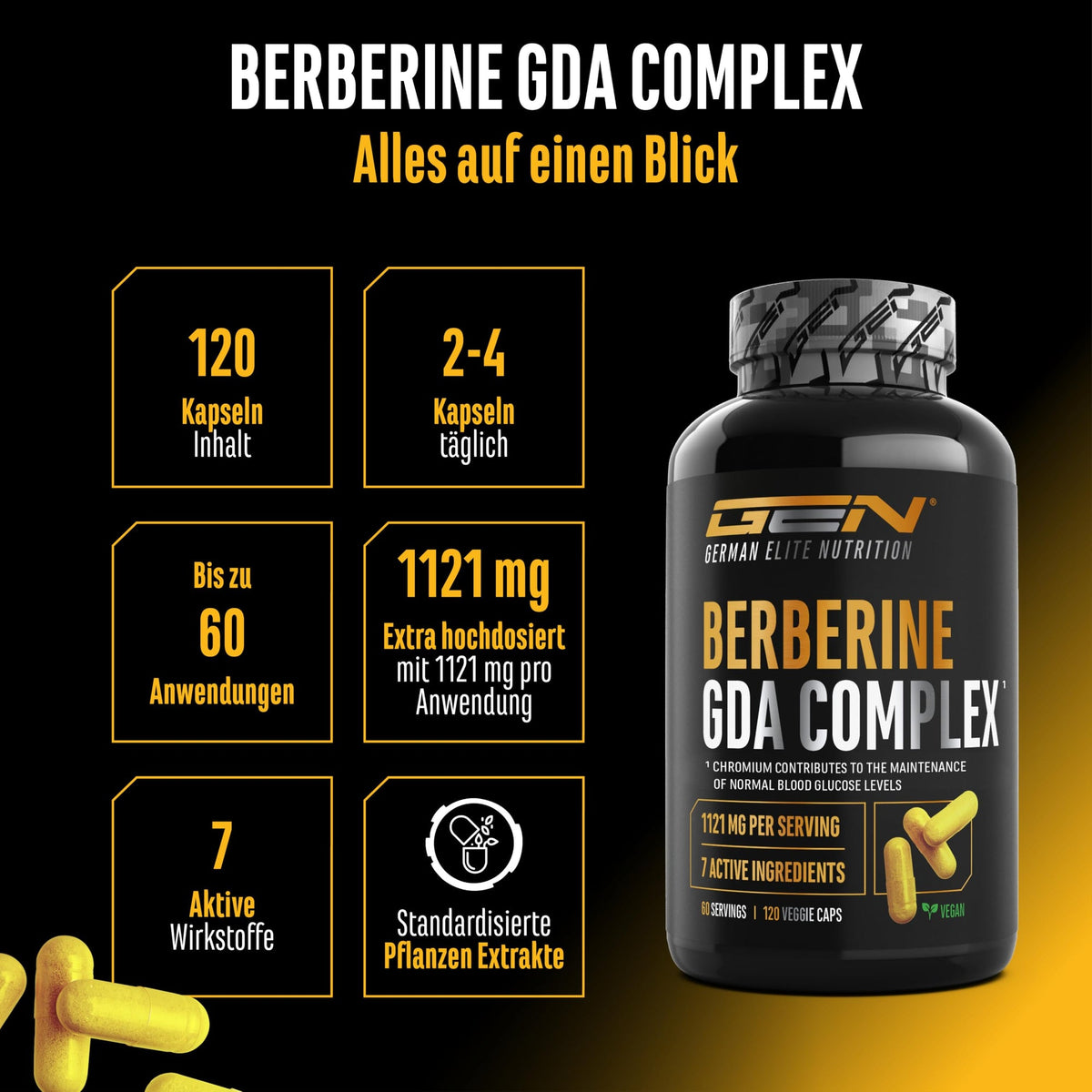
In this category, you will find, among other things, a plant-based formula based on plant sterols with complementary extracts such as citrus bergamot, artichoke, and black garlic, as well as an extensive berberine formula with the trace element chromium. All listed products are vegan, use plant-based HPMC capsules, and are designed for fixed daily doses. This allows you to see exactly which ingredients are contained in which quantities in each formula, rather than a vague herbal blend.
What falls into the cholesterol category?
This category bundles formulas whose ingredients are known in the context of cholesterol. These include plant sterols, plant substances that are structurally similar to cholesterol, as well as alkaloids such as berberine and a range of standardized plant extracts. Some of these substances carry an approved European claim, while others do not. We make this difference visible for every product so that you can make an informed assessment yourself.
Plant sterols: the only approved EU claim in this area
Plant sterols, also known as phytosterols, occur naturally in nuts, seeds, and vegetable oils, but usually in small quantities. With a supplement, you take in a fixed, higher dose. European legislation allows a health claim for this ingredient: plant sterols contribute to the maintenance of normal blood cholesterol levels. This positive effect occurs with a daily intake of at least 0.8 grams of plant sterols. It is the only ingredient in this area to which we are allowed to attribute such a formulated function.
Berberine and other plant extracts
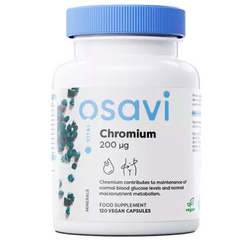
Berberine is a yellow-colored alkaloid that occurs naturally in the roots and bark of various plants, such as Indian berberis. In supplements, it is often standardized to a high percentage of berberine HCl, so that each serving provides the same amount. There is currently no approved European claim for berberine, which is why we present it purely descriptively: we explain what it is and where it comes from. Berberine formulas are often supplemented with the trace element chromium, because chromium contributes to the normal metabolism of macronutrients and the maintenance of normal blood sugar levels.
Citrus bergamot, artichoke & black garlic
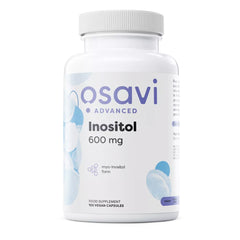
In addition to plant sterols, you will find further standardized extracts in some formulas. Citrus bergamot is a citrus fruit of Southern Italian origin, known for its polyphenol content. Artichoke is a natural source of cynarin, and black garlic is produced by fermenting regular garlic, resulting in a milder ingredient without a pungent odor. These are often supplemented with grape seed extract with OPC and myo-inositol. There is no approved claim for these extracts, so we exclusively describe what they are and in what quantities they are contained.
What is red rice (red yeast rice)?
Red rice, also known as red yeast rice, is a traditional product of East Asian cuisine. It is produced when regular rice is fermented with the mold fungus Monascus purpureus, which creates its characteristic red color. During this fermentation, the substance monacolin K is formed, among others. It is important to know: Since 2022, very strict limits for monacolin K have applied in the EU, effectively removing corresponding products from the market. We present red yeast rice here purely for informational and descriptive purposes and do not attribute any cholesterol-related effect to it.
How is red yeast rice made?
Its production follows a fermentation process: Cooked rice is inoculated with the culture fungus Monascus purpureus and fermented over several days under controlled conditions. During this process, the fungus penetrates the rice grain and colors it deep red. The fermented rice is then dried and ground into powder. The exact composition of the final product depends heavily on the fungal strain, temperature, and duration, which is why the levels can vary between different batches and manufacturers. This is purely a process description without any statement about an effect.
Why is red rice often combined with Q10?
In many older formulations, red yeast rice was combined with coenzyme Q10. The background is primarily historical and marketing-related: Q10 is a substance naturally occurring in the body, found in the mitochondria, the energy powerhouses of the cells. The combination was common in such products, but was not supported by an approved European claim. We therefore describe this combination only as a common formulation pattern and make no statement about what it does.
How much red rice per day?
We deliberately make no statement about a specific daily amount for red yeast rice, as there is no approved claim for this substance and monacolin K-containing products are heavily regulated in the EU. In the formulas in this category, the quantity depends on the respective ingredient: For the effect of plant sterols, at least 0.8 grams per day is intended, which in practice is achieved by taking a daily dose split over two times. Follow the recommended intake on the packaging for every product.
When to take red rice?
No fixed, universally applicable time of day can be specified for red yeast rice; traditionally, such products were taken with a meal. With the plant-based formulas in this category, it is common to split the daily dose into two times, for example taking half in the morning and half in the evening with a meal and sufficient water. This allows the intake to fit the way you eat throughout the day. Berberine formulas are often taken shortly before a larger meal.
What to look for when buying?
When buying, pay attention above all to standardized ingredients: If an extract is standardized to a fixed percentage, you know exactly what quantities you receive per serving, rather than a vague blend. Also check whether the capsule is plant-based, whether unnecessary additives such as gluten or lactose are avoided, and whether the formula lasts for one month. For red yeast rice, the strict EU regulations surrounding monacolin K also apply, which is why we focus on formulas with plant sterols, berberine, and standardized extracts in this category.
Would you like to compare individual ingredients more specifically? Take a look at our categories Berberine, Citrus bergamot, Garlic, and Chromium to find the right forms and formulas for your mindful routine.
Need more advice?

Tobian
Customer service