
Sort by
Sort by
Sale price€36,90
€40,64  / kg
New
Koffein Pulver Natural | 200 Gramm | OstroVit
New
Total War Pre-Workout Strawberry Kiwi - Redcon1
New
Stacker 3 XPLC - Stacker2
Sale price€23,90
New
5150 Legendary Series Pre-Workout Raspberry Mojito - 5% Nutrition
Sale price€35,90

Buy caffeine: from tablets to sports drinks and gels

Caffeine is one of the best-known and most widely used stimulants in the world and occurs naturally in coffee beans, tea leaves, cocoa, and guarana seeds. In this collection, you will find caffeine in various forms: from caffeine tablets for precise dosing to sports drinks, energy gels, and effervescent tablets containing caffeine. Our range includes caffeine products from renowned brands, suitable for a variety of uses.

What is caffeine?

Caffeine is a natural compound from the alkaloid group (methylxanthines) that occurs naturally in various plants. It is obtained from natural sources and also produced synthetically for use in beverages, foods, and supplements. In its pure form, it is a white, bitter powder. Caffeine is one of the most extensively studied substances and is consumed worldwide every day in coffee, tea, cola, energy drinks, and supplements. Here, we describe caffeine objectively as a stimulant; the label of each product states how much caffeine is provided per serving.

How much caffeine is in coffee, cola, tea, and energy drinks?

Caffeine content varies greatly depending on the beverage and how it is prepared. For reference: a cup of filter coffee (approximately 200 ml) contains an average of about 80 mg of caffeine, although this may vary depending on the strength and brewing method. An espresso (approximately 30 ml) provides about 60 to 80 mg. A can of energy drink (250 ml) usually contains around 80 mg. A glass of cola (250 ml) contains less, about 20 to 25 mg, and Cola Zero is in a similar range. A cup of black or green tea (200 ml) contains about 30 to 50 mg. For comparison: a caffeine tablet often contains 200 mg per tablet, which is more than two cups of coffee. These figures are averages; the actual content depends on the product and how it is prepared.

In what forms is caffeine available?

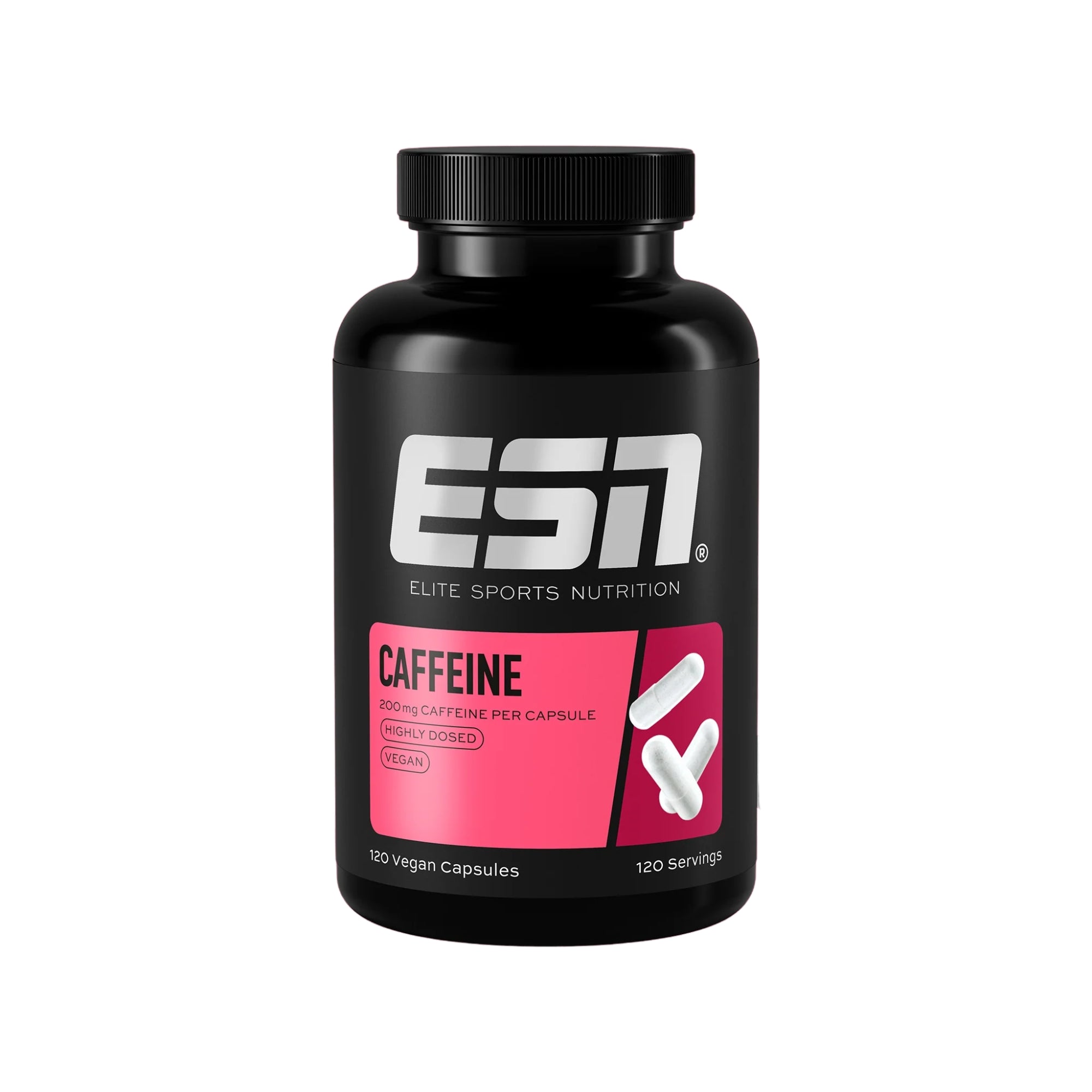
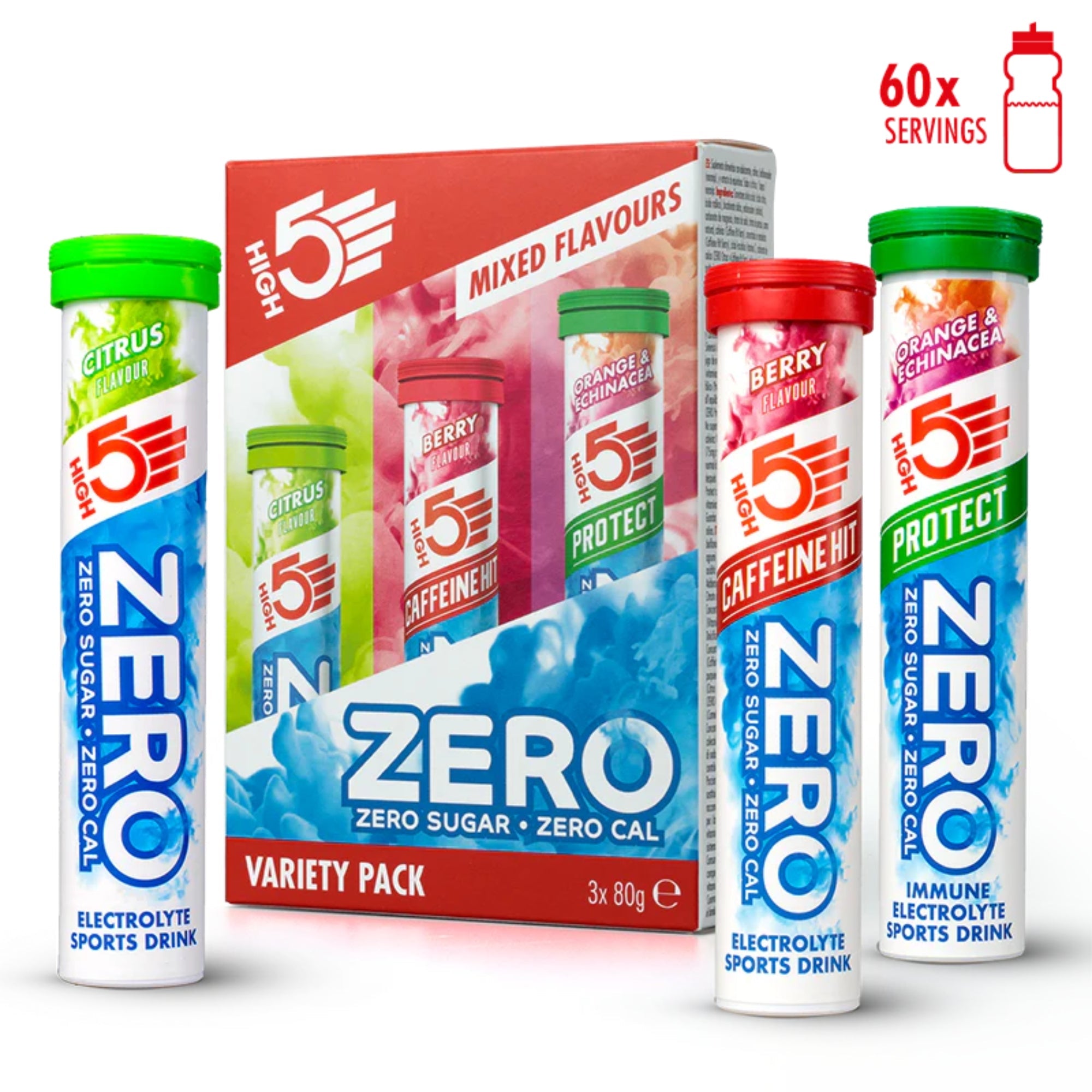
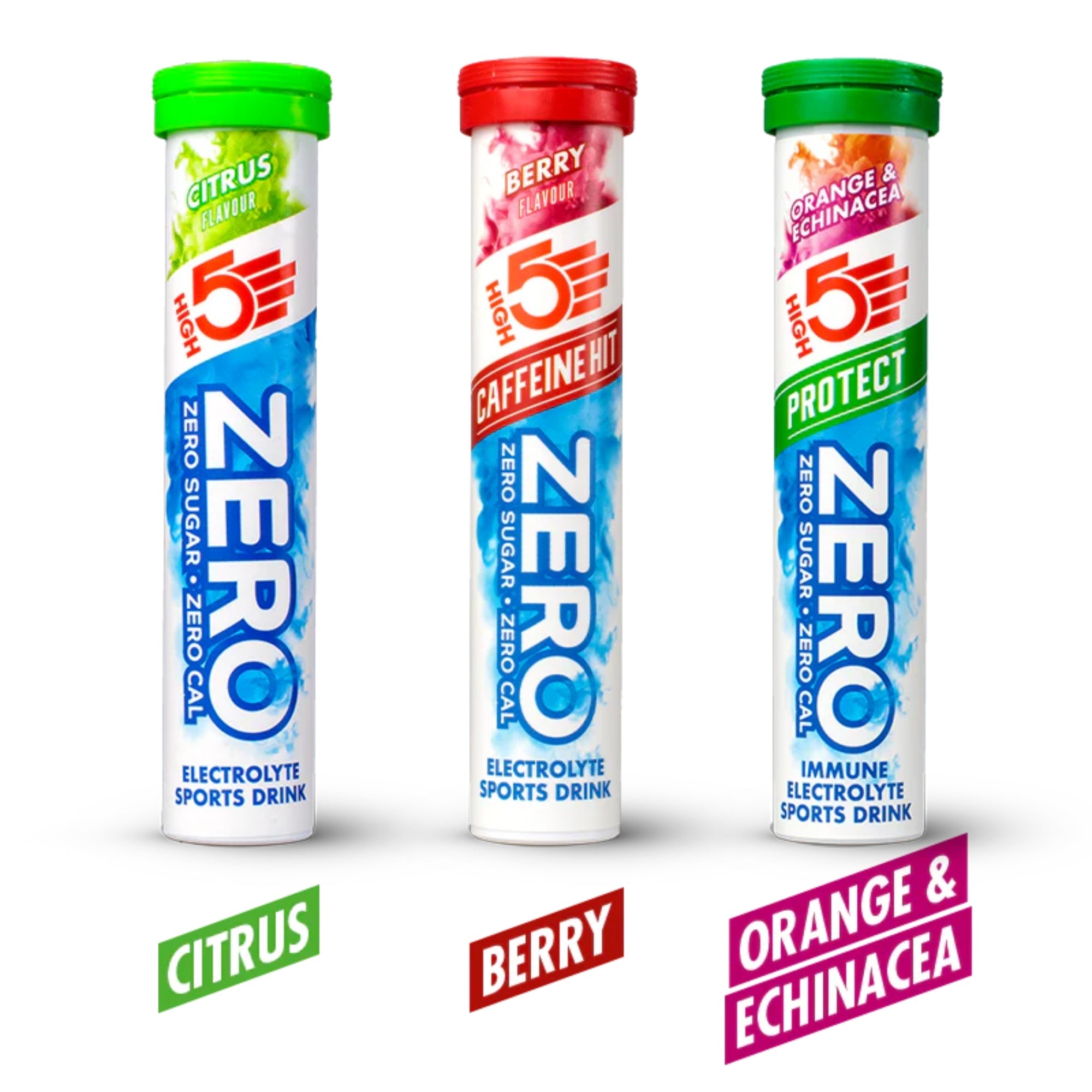
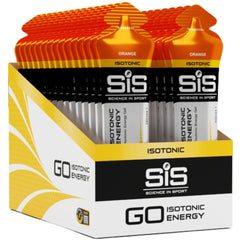
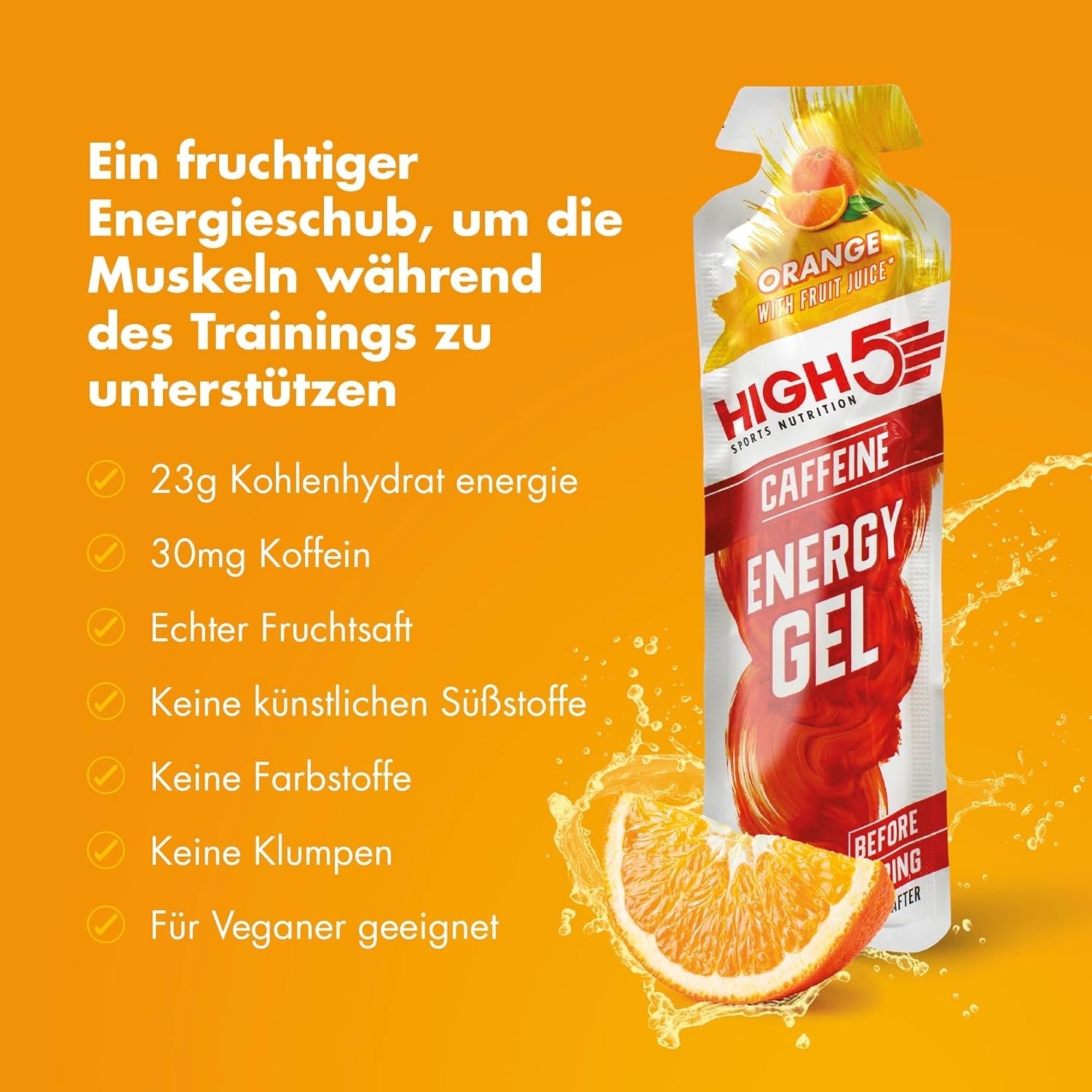
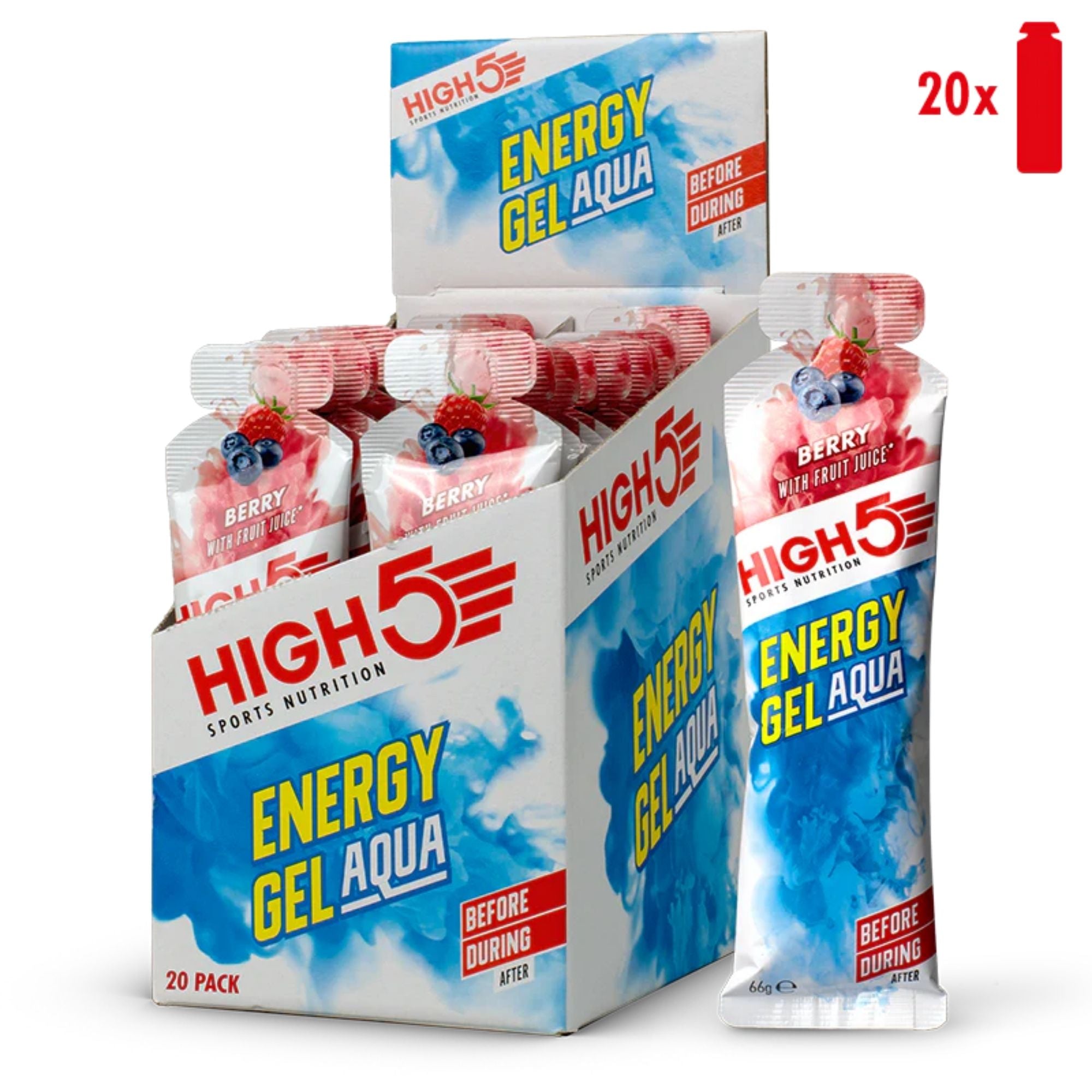
This collection features caffeine in various forms. Caffeine tablets and capsules provide a fixed, precise dose (often 200 or 250 mg per tablet) without sugar or calories. You will also find caffeine incorporated into sports products: energy gels for endurance activities, carbohydrate-electrolyte drinks with caffeine, and effervescent tablets. Caffeine-free (Zero Caffeine) sports variants are also available for those who want the functional beverage without the caffeine. Which form is right for you depends on your intended use: precise dosing with tablets or caffeine as an ingredient in a sports drink or gel.

Caffeine tablets versus coffee and energy drinks

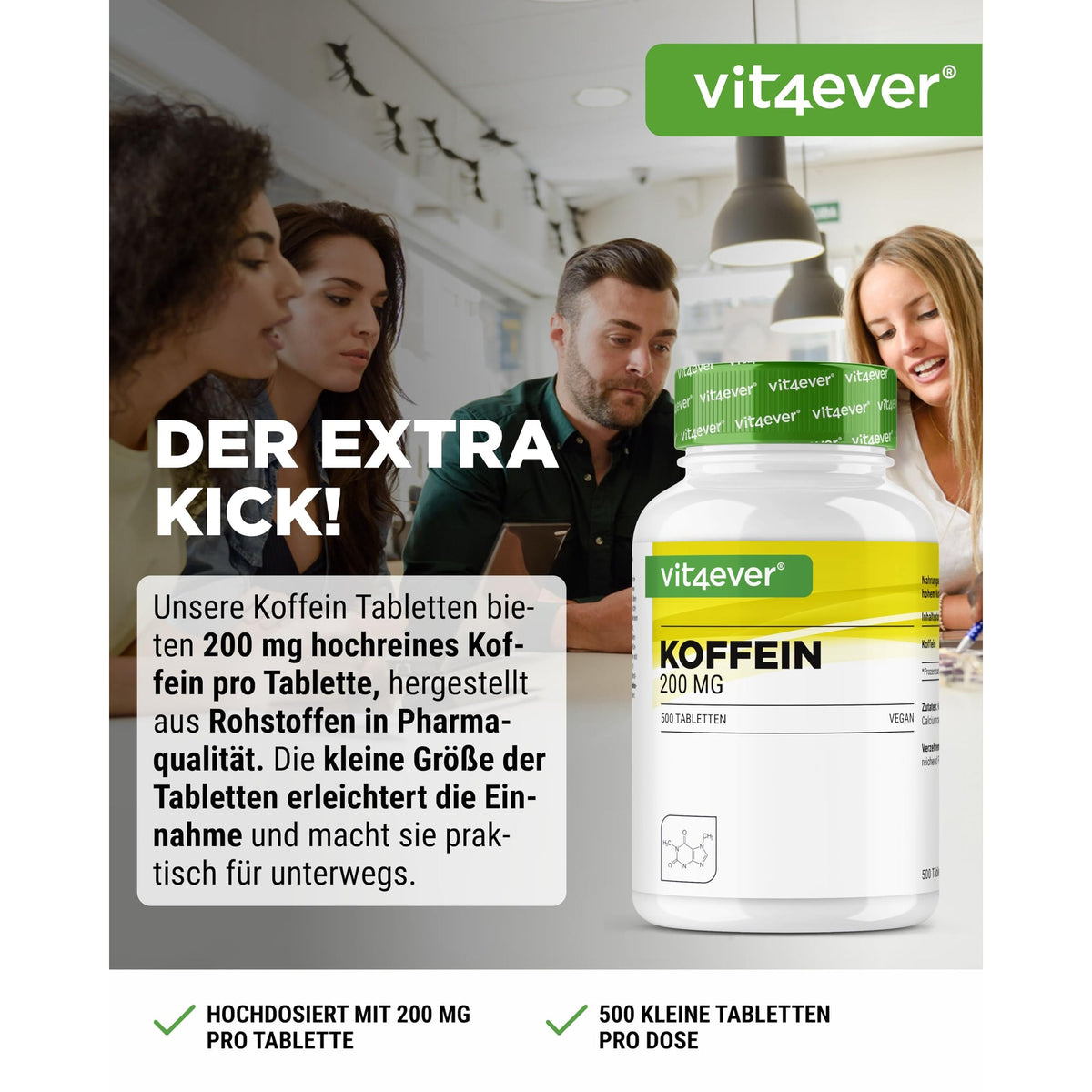
A practical advantage of caffeine tablets is that the amount of caffeine per serving is precisely known. A 200 mg tablet usually contains more than twice as much caffeine as an average cup of coffee. Tablets allow you to see exactly how much you are consuming without having to deal with variations between cups or cans and without added sugar or calories. For a detailed explanation and our full range of tablets, you can also view our caffeine tablets collection.

Caffeine in sports nutrition

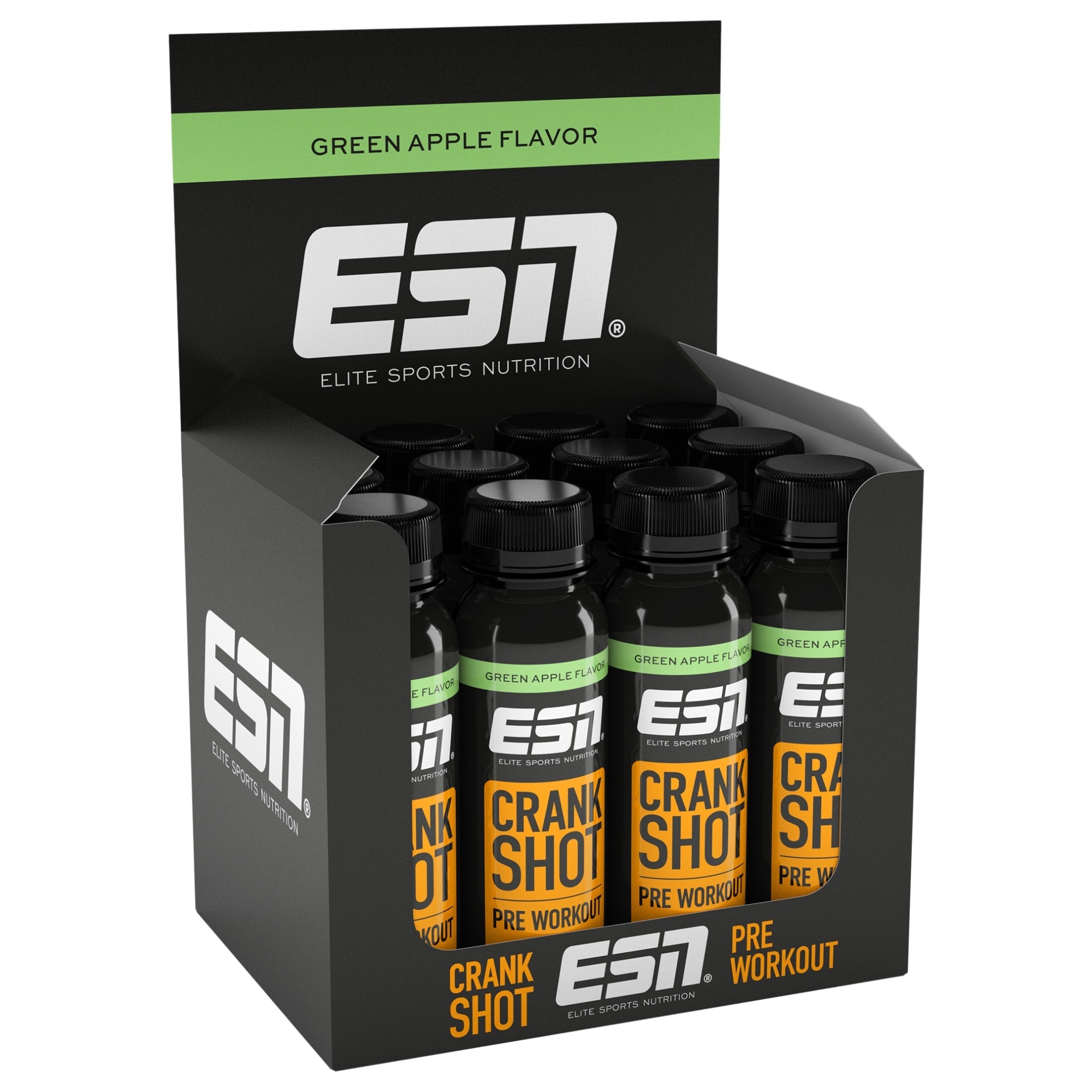
Caffeine is a widely used ingredient in sports nutrition and is found in pre-workouts, energy gels, and sports drinks. Athletes often use caffeine before or during training or endurance activities, although timing and dosage are matters of personal preference and tolerance. We describe this use objectively and make no health-related claims. For sports products containing caffeine, pay attention to the amount of caffeine per serving, which is listed on the label alongside any carbohydrates and electrolytes.

How much caffeine per day and what to look out for?

No nutrient reference value has been established for caffeine; how much an individual can tolerate varies greatly from person to person. Always keep track of your total daily caffeine intake from all sources (coffee, tea, cola, energy drinks, and supplements). Since caffeine has a stimulating effect, it is best not to consume it late in the day, as it can disrupt sleep. High intake or sensitivity may cause discomfort such as restlessness, heart palpitations, or a nervous feeling. Caffeine is not suitable for children and is not recommended during pregnancy or breastfeeding, or should be limited. If in doubt or if you are taking medication, consult a doctor.

Buying caffeine: what to look out for?

When choosing a caffeine product, there are several practical points to consider. Decide which form suits your intended use: tablets for precise dosing or a sports drink or gel containing caffeine. Check the amount of caffeine per serving and, for sports products, the other ingredients (carbohydrates, electrolytes). Pay attention to the price per serving and consider your total caffeine intake. For individual tablets and further explanations, also view our caffeine tablets collection; for training formulas with caffeine, see Pre-Workout.

Need more advice?

Feel free to send us a message. We're happy to help and will answer your questions as soon as possible.
Tobian

Tobian

Customer service