



You hear that you should take in more omega-3, and fish oil, algae oil, and krill oil are all mixed up on the shelf. What exactly is omega-3, and which one should you choose?
Here you will read which fatty acids omega-3 consists of, where it is found, what EPA and DHA contribute to, and what to look for when buying. No big promises, just the facts.
Topics in this article
- What is omega-3?
- Where is omega-3 found?
- EPA and DHA: what do they contribute to?
- Fish oil, algae oil, or krill oil?
- What should you look for when buying?
- How much omega-3 per day?
- Frequently asked questions about omega-3
- Brief summary
What is omega-3?
Omega-3 is a collective term for a group of polyunsaturated fatty acids. Three of them are important: EPA (eicosapentaenoic acid), DHA (docosahexaenoic acid), and ALA (alpha-linolenic acid).
EPA and DHA come mainly from marine animals and algae. ALA is the plant-based variant. Your body can only convert ALA into EPA and DHA to a limited extent, so fish or algae are a direct source. Omega-3 is an essential fatty acid: your body does not produce it itself, so you take it in through your diet or a supplement.
Where is omega-3 found?
The richest sources of EPA and DHA are fatty fish such as salmon, mackerel, herring, and sardines. Do you eat little fish? Then a supplement is an easy way to top up.

You get ALA from plant sources: flaxseed and linseed oil, chia seeds, walnuts, and rapeseed oil. For everyone who does not use fish or algae, this is the most important way.
EPA and DHA: what do they contribute to?
For EPA and DHA, health claims approved in the EU apply, provided you reach a certain daily amount:
- EPA and DHA contribute to normal heart function (at 250 mg EPA and DHA per day).
- DHA contributes to the maintenance of normal brain function (at 250 mg DHA per day).
- DHA contributes to the maintenance of normal vision (at 250 mg DHA per day).
For plant-based ALA, it applies: ALA contributes to the maintenance of normal blood cholesterol levels (at 2 g ALA per day).
Fish oil, algae oil, or krill oil?
Omega-3 supplements come from various sources. The EPA and DHA are the same, the difference lies in the origin.
Fish oil
The classic source of EPA and DHA. Our Omega 3 DHA and EPA Fish Oil is an example of this, and there is also high-dose fish oil.
Algae oil (vegan)
Fish get their EPA and DHA from algae. Oil is also extracted directly from these algae, so you can take in EPA and DHA without fish. This is the plant-based, vegan choice.
Krill oil
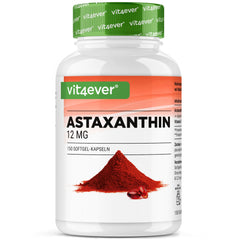
Oil from krill, a small crustacean. It provides EPA and DHA and naturally contains astaxanthin, see Krill oil with omega-3.
What should you look for when buying?
Amount of EPA and DHA
Do not look at the amount of fish oil, but at the amount of EPA and DHA per capsule. This is crucial. Calculate whether you reach 250 mg EPA and DHA with the recommended dose.
Form: Triglyceride or ethyl ester
Omega-3 occurs in triglyceride form (TG) and ethyl ester form (EE). The triglyceride form is closest to the natural form in fish.
Freshness and purity
Oil can oxidize. Look for fresh oil and, if stated, a test for purity such as heavy metals. A light lemon flavor sometimes covers the fish taste. Omega-3 is also available in combination with D3 and K2.
Fish or plant-based
Do you not eat fish or are you vegan? Then choose algae oil, it provides the same EPA and DHA.
How much omega-3 per day?
For the heart claim, 250 mg EPA and DHA per day apply. Those who eat little fatty fish often do not reach this through diet alone. It is best to take omega-3 with a meal containing some fat, which supports absorption. Do you take blood thinners, are you pregnant, or do you have a medical condition? Then speak to your doctor first. A dietary supplement does not replace a varied diet.
Frequently asked questions about omega-3
What is the difference between EPA and DHA?
They are two omega-3 fatty acids from fish and algae. DHA is related to the brain and eyes, EPA and DHA together with the heart. Many supplements contain both.
Is algae oil as good as fish oil?
Algae oil provides the same EPA and DHA as fish oil, only directly from the source. It is the plant-based, vegan choice.
How much omega-3 do you need per day?
For the heart claim, 250 mg EPA and DHA per day apply. Those who eat little fatty fish often do not reach this through diet alone.
Can you get omega-3 from flaxseed?
Flaxseed provides ALA, the plant-based omega-3. Your body converts ALA into EPA and DHA only to a limited extent, so for EPA and DHA, fish or algae are therefore more direct.
Why does omega-3 sometimes list astaxanthin?
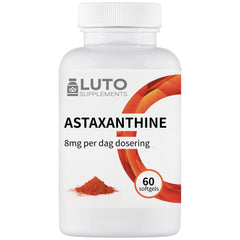
Astaxanthin is a natural substance in krill that gives the oil a red color. You can find it in krill oil, among others.
When is the best time to take omega-3?
With a meal containing some fat, for better absorption. Otherwise, follow the instructions on the packaging.
Brief summary
Omega-3 consists of the fatty acids EPA, DHA, and ALA. You get EPA and DHA from fatty fish, algae, or krill, ALA from plant sources. If you eat little fish, a supplement easily tops up.
When choosing, pay attention to the amount of EPA and DHA per capsule and to a fresh, pure oil. Look at our Omega 3 Fish Oil and choose the form that is right for you.

