

15 products
Filter op
Filter op
ActieprijsVanaf €25,90
Actieprijs€30,90
€25,75  / dosering
Actieprijs€31,90
€13,29  / dosering
ActieprijsVanaf €24,90
€20,75  / dosering
Actieprijs€30,90
€7,36  / dosering
ActieprijsVanaf €24,90
€25,75  / dosering
Actieprijs€22,90
Actieprijs€9,90
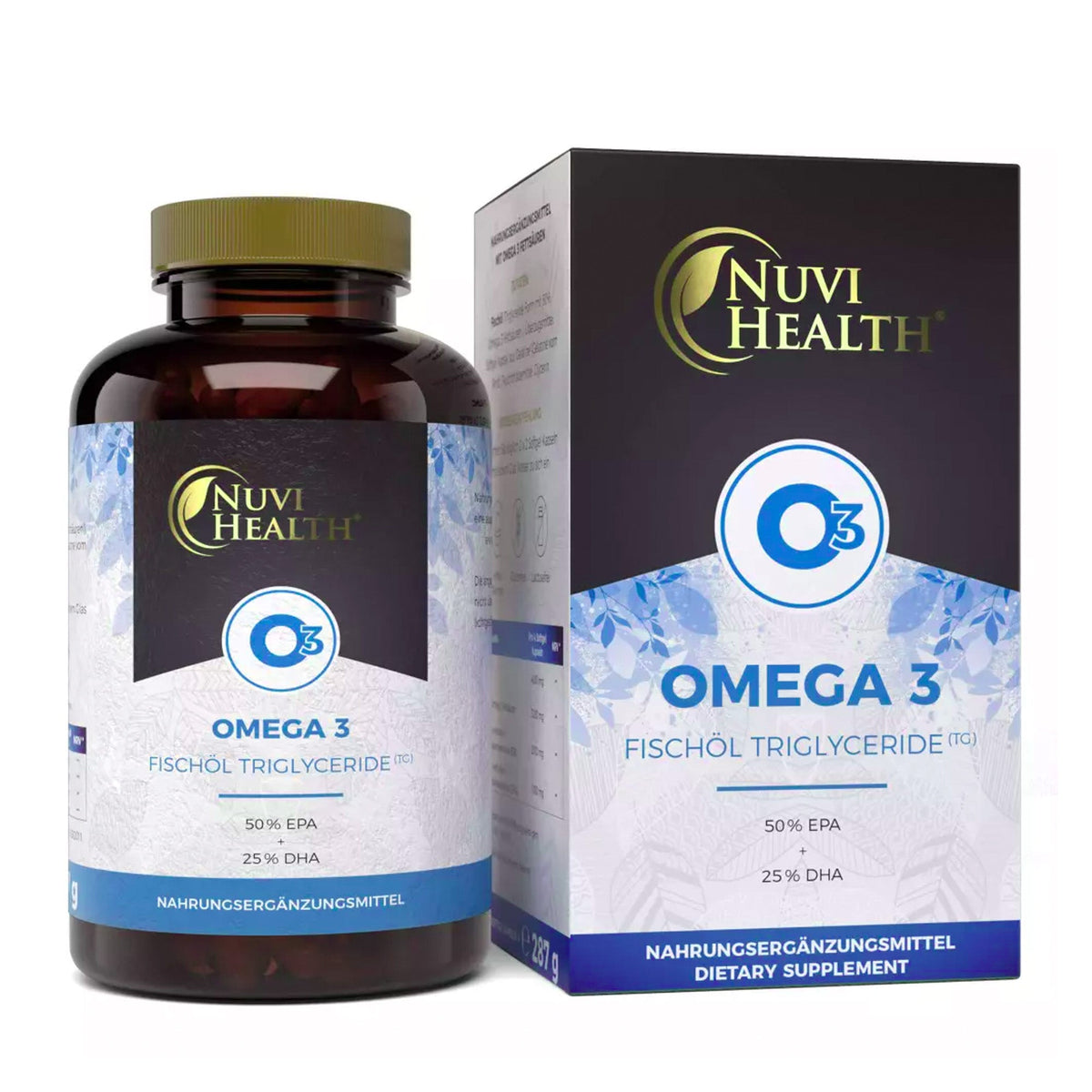
UitverkochtOmega 3 DHA & EPA Fischöl LUTO Supplements – Produkt | kaufen in Deutschland und Österreich Omega 3 DHA & EPA Fischöl LUTO Supplements – Produktverpackung Vorderseite

Buy Omega & Fatty Acids: EPA, DHA and Other Essential Fatty Acids

Fatty acids are the building blocks of fats and play an important role in the body. In this collection, you'll find omega fatty acids and other supplements with healthy fats: from fish oil, krill oil and algae oil (sources of omega-3) to special plant-based oils such as black seed oil. The best-known omega-3 fatty acids, EPA and DHA, have approved health claims. Below, you'll learn about the different fatty acids, what they contribute to, and what to look out for.

What Are Omega Fatty Acids?

Omega fatty acids are unsaturated fatty acids that the body needs. The best-known group is omega-3, with the fatty acids EPA and DHA (mainly from oily fish and seafood) and ALA (from plant-based sources). There are also omega-6 and omega-9 fatty acids. Some fatty acids are essential: the body cannot produce them on its own, so you must obtain them through your diet. Since many people eat little oily fish, an omega supplement can be a practical addition. The label of every product states which fatty acids and what amounts are provided per serving.

What Do EPA and DHA Contribute To?

Various health claims are approved for omega-3 fatty acids, each with its own recommended daily amount. EPA and DHA contribute to normal heart function; this positive effect is achieved with a daily intake of 250 mg of EPA and DHA. DHA contributes to the maintenance of normal brain function and normal vision; these effects are achieved with a daily intake of 250 mg of DHA. For plant-based ALA (alpha-linolenic acid), it is stated that it contributes to the maintenance of normal blood cholesterol levels with a daily intake of 2 grams of ALA. The label shows how much EPA, DHA and/or ALA is provided per serving.

What Foods Contain Omega-3?

You primarily obtain omega-3 through your diet. The richest source of EPA and DHA is oily fish, such as salmon, mackerel, herring, sardines and anchovies. Those who eat oily fish regularly (for example, once or twice a week) obtain a considerable amount of EPA and DHA. The plant-based omega-3 fatty acid ALA is found mainly in flaxseed (oil), chia seeds, walnuts, hemp seeds and rapeseed oil; the body can convert ALA into EPA and DHA to a limited extent. For anyone who eats little oily fish or follows a plant-based diet, an omega-3 supplement (fish oil, krill oil or algae oil) can be a practical way to supplement their intake. The label states how much EPA and DHA a supplement provides per serving.

Fish Oil, Krill Oil and Algae Oil

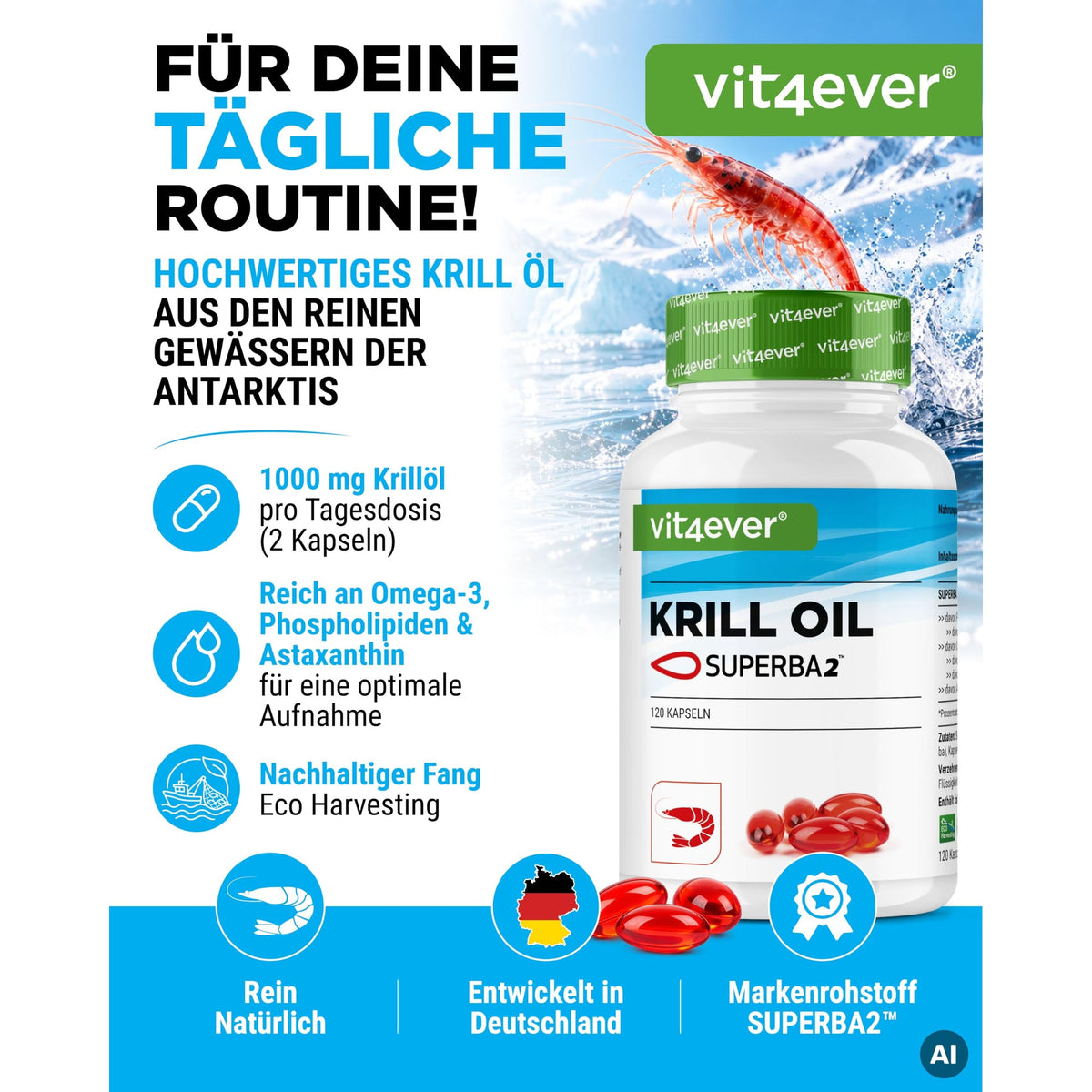
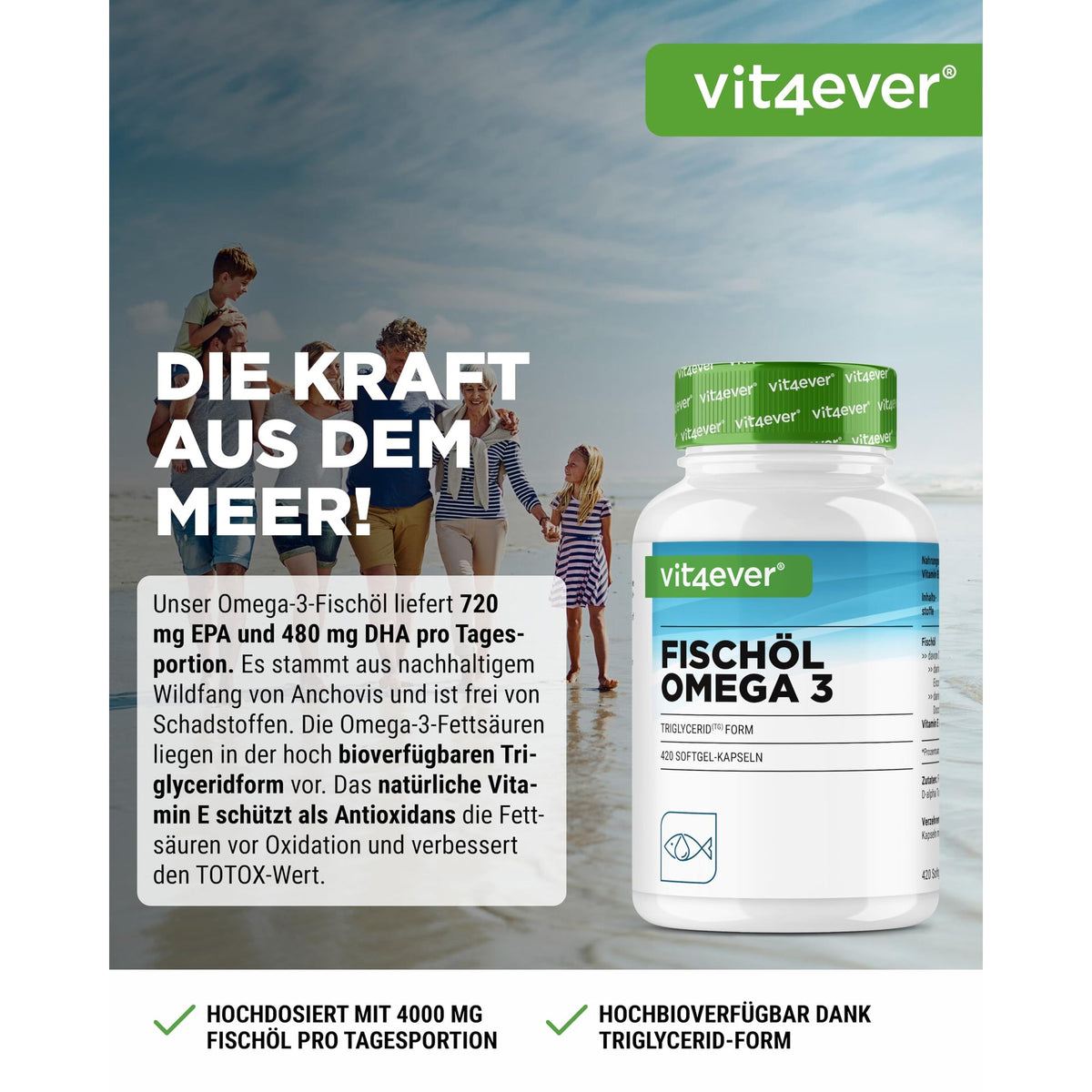
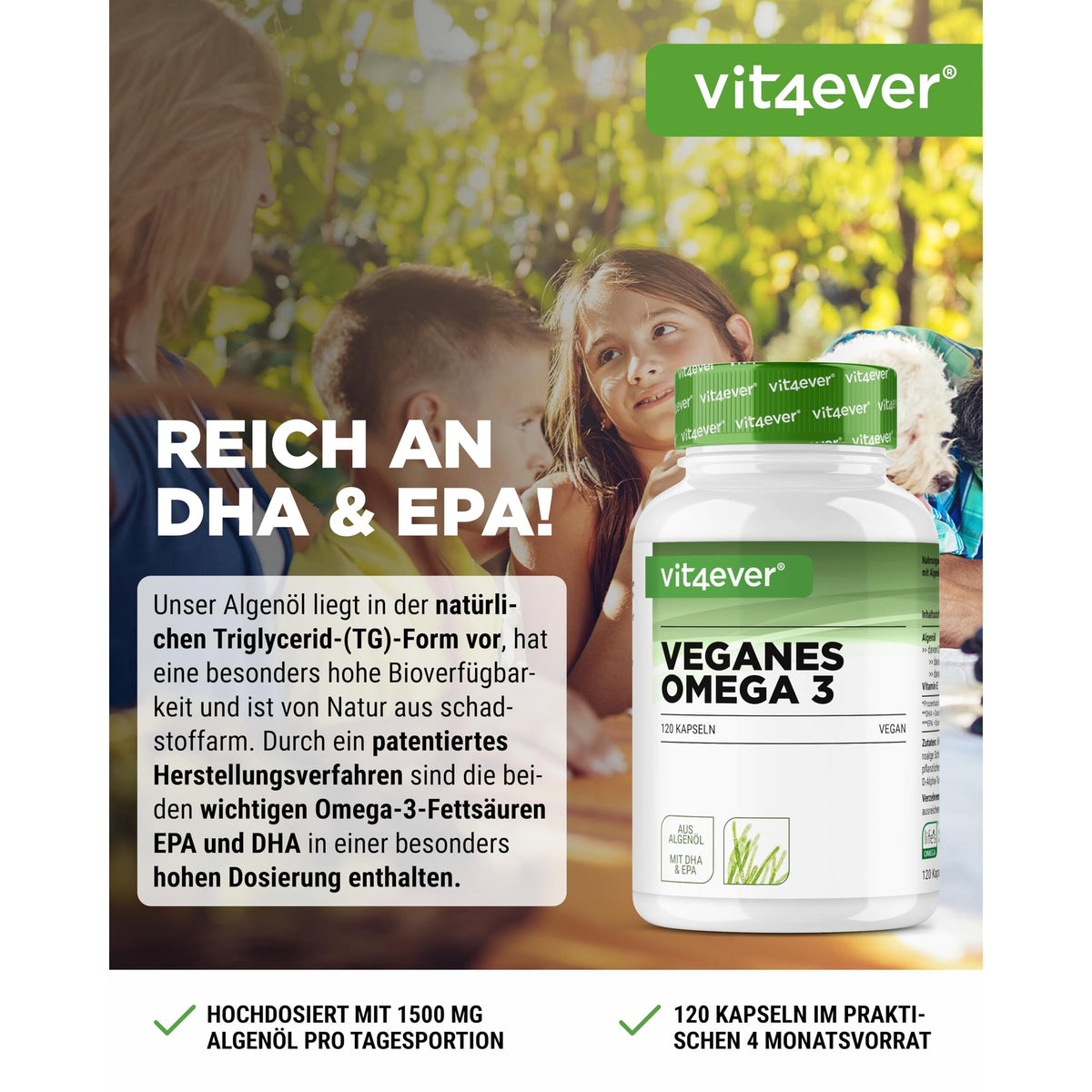
Omega-3 (EPA and DHA) is available from various sources. Fish oil is the most widely used source, obtained from oily fish, and is available in different concentrations and in the easily absorbed triglyceride form. Krill oil comes from small crustaceans and provides EPA and DHA in phospholipid form, often with the natural antioxidant astaxanthin. Algae oil is the plant-based source of EPA and DHA and is therefore suitable for anyone who does not use animal products. For individual omega-3 products and more information, you can also visit our Omega-3 / Fish Oil collection.

Other Fatty Acids and Plant-Based Oils

In addition to classic omega-3 sources, this collection also includes other supplements rich in fatty acids. One example is black seed oil (Black Seed Oil, from Nigella sativa), a traditionally used plant-based oil that naturally contains fatty acids. Flaxseed oil is also a plant-based source of the omega-3 fatty acid ALA. These products are of interest to anyone who wants to supplement their intake of certain plant-based fatty acids. We describe them objectively; the same approved claims do not apply to plant-based oils as a whole as they do to EPA, DHA and ALA in particular. The label states the composition of each product.

Check the EPA and DHA Content

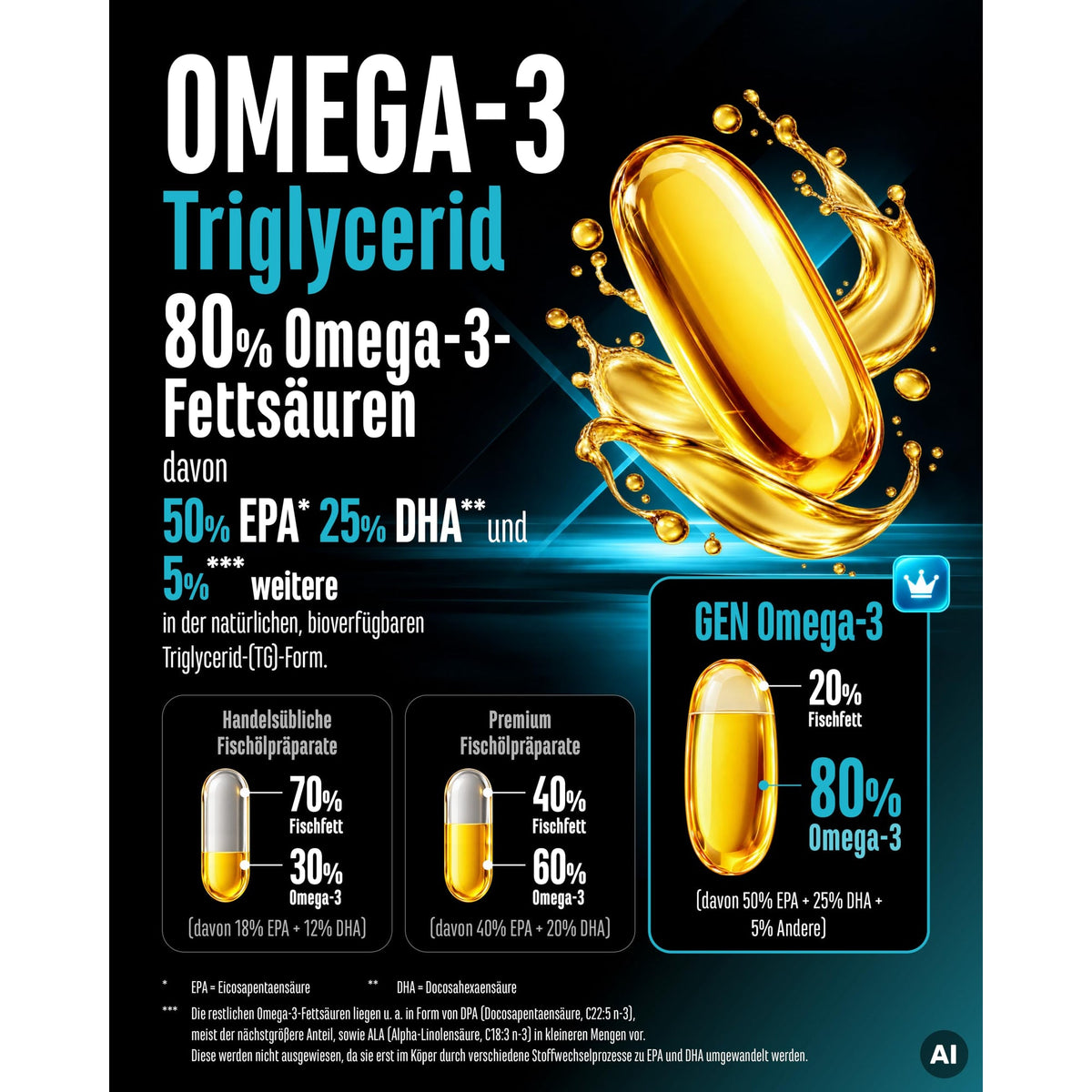
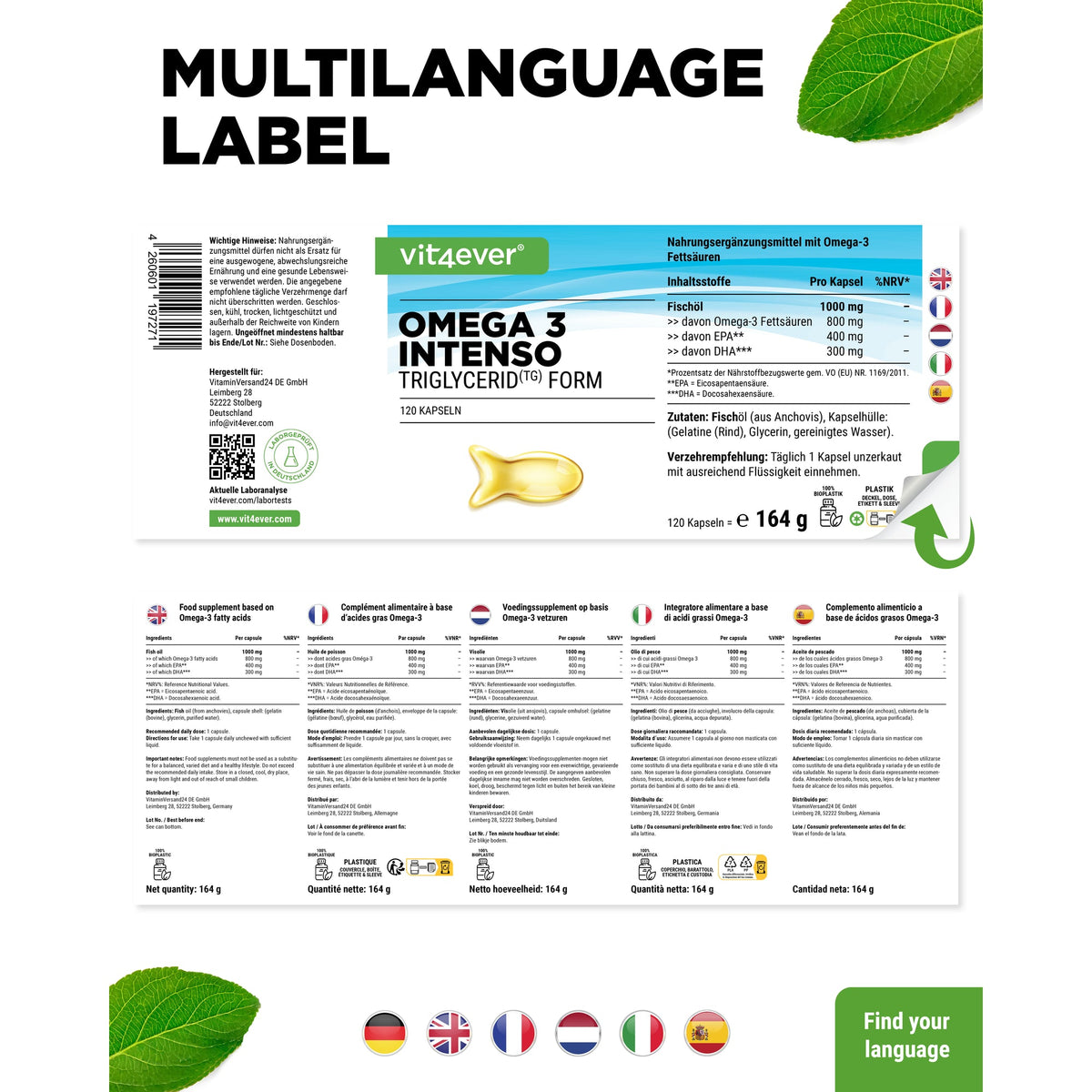
When comparing omega-3 supplements, the total amount of oil is not what matters, but rather the content of the active EPA and DHA fatty acids. A softgel containing 1000 mg of fish oil does not always contain 1000 mg of EPA and DHA; the actual content varies depending on the product and concentration. Therefore, look at the stated amount of EPA and DHA per serving rather than the total oil weight. This allows you to check whether a product reaches the 250 mg per day required for the approved claims and how many capsules or softgels you need.

How Much Omega-3 Do You Need Per Day and When Should You Take It?

The required amount depends on your goal and the fatty acid. For heart function, 250 mg of EPA and DHA per day is required; for brain function and vision, 250 mg of DHA per day; for the cholesterol claim, 2 grams of ALA per day. Many supplements provide more than enough per serving. As for timing, omega-3 is usually taken with a meal: the presence of some fat promotes absorption, and taking it with food can reduce a fishy aftertaste or burping in some people. When determining the dosage, pay attention to the actual content per capsule or softgel and follow the directions on the packaging. If you are taking blood-thinning medication or in case of doubt, it is advisable to consult a doctor or therapist beforehand.

Buy Omega & Fatty Acids: What to Look Out For?

When choosing an omega or fatty acid supplement, a few points are important. Look at the EPA and DHA content per serving (for omega-3), the source (fish oil, krill oil, algae oil or a plant-based oil), and the form (for example, the easily absorbed triglyceride form). Pay attention to purity (molecularly distilled fish oil is purified of unwanted substances) and freshness. Choose the source that suits you, for example algae oil for a plant-based diet. For individual fish oil products, also visit our Omega-3 / Fish Oil collection.

Need more advice?

Feel free to send us a message. We're happy to help and will answer your questions as soon as possible.
Tobian

Tobian

Customer service