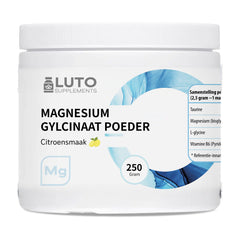
Magnesium Glycinate 400 mg by OstroVit
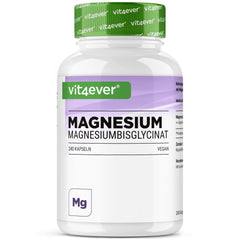
Buying magnesium seems simple until you see how many forms there are. Oxide, citrate, malate, taurate and also glycinate. This magnesium glycinate from OstroVit provides 400 mg of magnesium per daily dose of 3 capsules. That is 107 percent of the reference value. The magnesium is bound to glycine, making this form gentler on your stomach than many cheaper alternatives.
What magnesium does in your body
Magnesium is a mineral that is involved in hundreds of enzyme reactions in your body. About 60 percent is stored in your bones, with the rest mainly in your muscles and soft tissues. It acts as a kind of helper for enzymes: without magnesium, many processes do not get started. Magnesium contributes to normal energy production in the metabolism. Magnesium contributes to normal muscle function. Magnesium contributes to the normal function of the nervous system. And magnesium contributes to the reduction of tiredness and fatigue. Many people wonder whether you don't simply get enough magnesium through food. Theoretically, yes, through nuts, seeds, leafy green vegetables, whole grains and legumes. In practice, far from everyone reaches the recommended amount, especially those who eat little whole grain and vegetables or exercise a lot and sweat. After all, you also lose some magnesium through sweat. And coffee and alcohol cause your kidneys to excrete slightly more magnesium. By the way, a blood test says little about your reserves, because your body keeps the magnesium level in the blood within narrow limits, if necessary by taking it from your bones. Magnesium contributes to a balanced electrolyte balance. And magnesium has a function in cell division.
The difference between glycinate and regular magnesium
The difference lies in what the magnesium is bound to. In magnesium oxide, it is oxygen. This form contains a lot of magnesium per gram, but dissolves poorly, so your body absorbs relatively little of it and the rest remains in the intestine. This explains the well-known soft stool with oxide. In magnesium bisglycinate, each magnesium atom is bound to two molecules of glycine, a small amino acid. Scientists call this a chelate (a kind of clamp around the mineral). Your intestine partially absorbs such a chelate through the same pathway as amino acids. This means that less magnesium is left behind in the intestine, and magnesium glycinate is gentle on the stomach for most people. The disadvantage? Glycinate is bulky. To get 400 mg of pure magnesium, you quickly need three capsules.
Inulin and the rest of the capsule
In addition to magnesium bisglycinate, the capsules contain inulin, a fiber, for example from chicory root, which serves as a filler here. The capsule itself consists of hydroxypropyl methylcellulose, a plant-based material, so without gelatin. A small amount of magnesium salts from fatty acids ensures that the powder does not stick to the machines during filling. You take 3 capsules daily. Many spread them throughout the day or take them together with dinner. Magnesium contributes to the maintenance of normal bones. Magnesium contributes to the maintenance of normal teeth.
With 90 capsules, you have exactly a one-month supply at the recommended intake. A clear choice if you are looking for magnesium glycinate with a full daily dose and a plant-based capsule.